|
1
|
|
|
2
|
- Count Manfred—German nobleman who is tortured by the limitations of
mortality and by guilt over his lost love
- Studies black magic to transcend human limitations
- Conjures the dark spirits to provide forgetfulness
|
|
3
|
- Spirits instead leave him with a “curse” “Nor to slumber, nor to die”
(1. 1. 254)
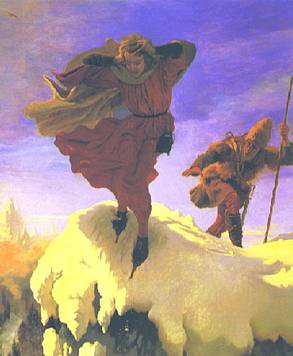
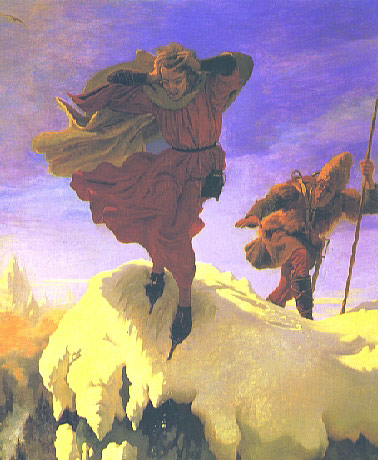
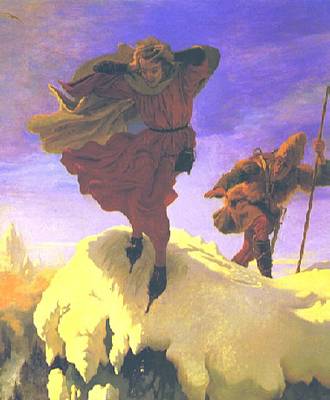
- Attempts suicide in the Alps and is saved by Chamois Hunter
- Tells his story to the Witch of the Alps
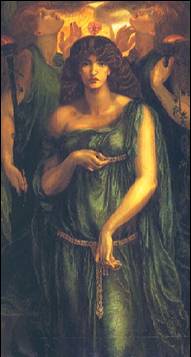
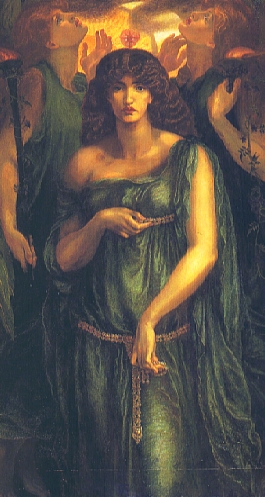
- Persuades Arimanes to call up ghost of Astarte
|
|
4
|
- Astarte’s prophecy: “Tomorrow ends thine earthly ills” (2. 4. 152)
- Abbot of St. Maurice suggests repentance and offers God’s forgiveness
- Dark spirits arrive to claim Manfred’s soul
- Manfred defies God and the spirits to die on his own terms— “Old man! ’tis not so difficult to
die” (3. 4. 151)
|
|
5
|
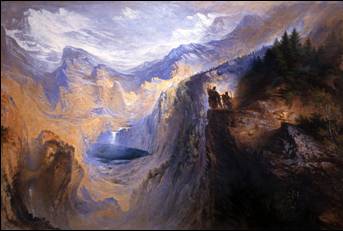
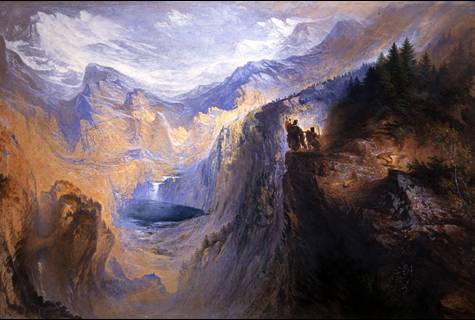
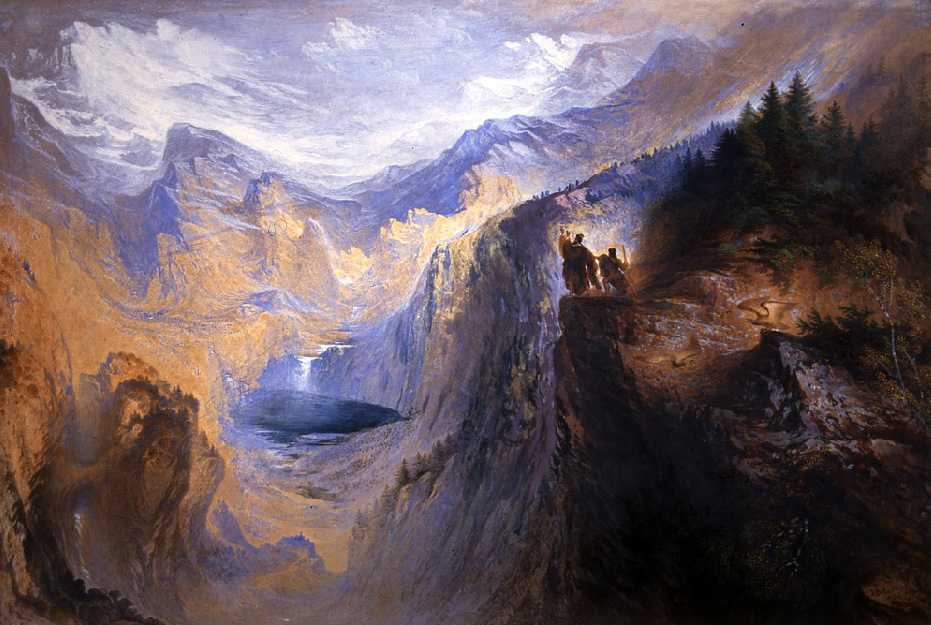
- The Swiss Alps—snow and high mountains
|
|
6
|
|
|
7
|
|
|
8
|
- Swiss Alps—snow and high mountains
- Isolation
- Spiritual death, coldness
- Ambition, superiority
- Manfred’s Gothic Castle
- Isolation
- Loftiness
- Power
- Imprisonment
|
|
9
|
- The Tower
- Ambition, superiority
- Imprisonment
- The Forbidden Room
- Forbidden knowledge
- Guilt
|
|
10
|
- Noble/Superior—p. 601, 2. 2. 50-96, p. 608, 2. 4. 51-72
- Outcast/Wanderer
- Self-Reliant/Individualist
- Defiant—defies Witch of the Alps, Arimanes, religion, the dark spirits,
death, pp. 620-621, 3. 4. 80-153
|
|
11
|
- Amoral—follows own moral code
- Enigmatic—mysterious past, nameless curse—incest, p. 602-603, 2. 2.
100-121
|
|
12
|
|
|
13
|
- Melancholy/Moody—p. 596, 1. 2. 36-47
- Man of Action
- World weary—p. 589, 1. 1. 1-26
|

 Notes
Notes