|
1
|
|
|
2
|
- Literature by or about formerly colonized populations
- Examines the complex legacy of imperialism
- Gives a voice to indigenous people disenfranchised and marginalized by
imperial power
|
|
3
|
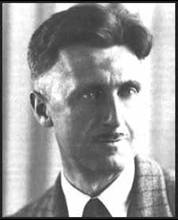
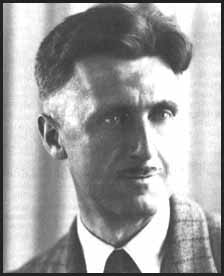
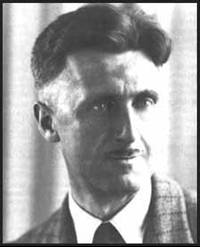
- Born Eric Blair in India (1903) but educated in England
- 1922—returned to India to join Imperial Police of Burma
|
|
4
|
- Imperialist experience made him recognize the abuses of British
imperialism
- 1927—returned to Europe determined to resist despotism
- Worked to alleviate conditions of poor and resist fascism
- Lived as street tramp
- Fought in Spanish Civil War (1937)
- Broadcast for the BBC in World War II
|
|
5
|
- Satirized Stalin’s communist regime in Animal Farm
- Warned against a totalitarian future (“Big Brother”) for Britain in 1984
- Died of tuberculosis in 1950
|
|
6
|
- Brutally honest political satire against totalitarianism
- Contempt for political ideologies and recognition of their potential for
oppression
- Recognized language’s power as a tool of oppression
|
|
7
|
- Critiques imperialism from the imperialist’s perspective
- Reveals “the real motives for which despotic governments act” (p. 2458)
- Colonizers as well as colonized people become victims of imperial policy
(p. 2459-60)
- Shooting the elephant becomes a metaphor for colonial violence
|
|
8
|
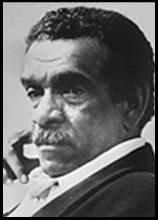
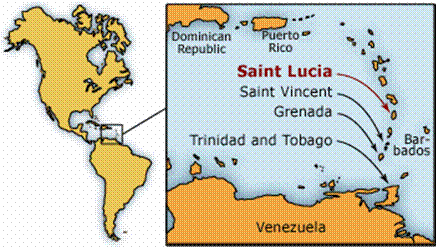
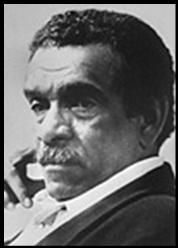
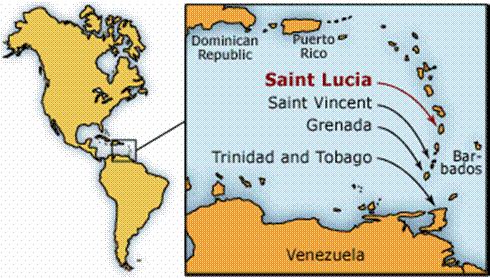
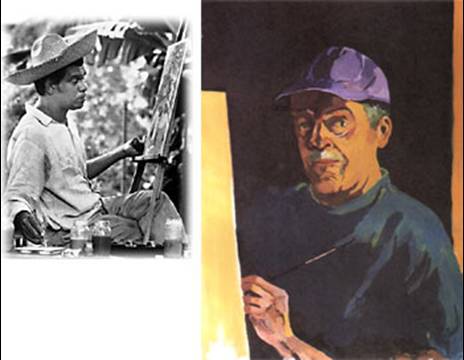
- Born on Caribbean island St. Lucia, part of British West Indies (gained
independence in 1979)
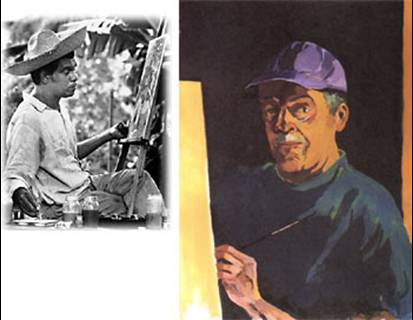
- Product of Caribbean’s hybrid culture—French, British, Indian, African
- Mixed ethnic background—descended from both white colonialists and
African slaves
- Won Nobel Prize for Literature (1992)
|
|
9
|
|
|
10
|
- Cultural schizophrenia and psychic fragmentation
- Search for identity in a fragmented postcolonial/postmodern culture
- Struggle to reconcile European and Caribbean cultures
|
|
11
|
|
|
12
|
- Imagery suggests horror at the violence of both imperialists and
colonized people (stanzas 1 & 2)
- Colonialism inspires a legacy of violence
- Ambivalent response to his divided heritage as a colonial subject (lines
25-33)
|

 Notes
Notes