|
1
|
|
|
2
|
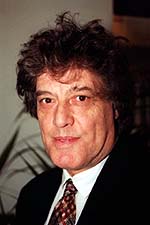
- Born in 1937 in Czechoslovakia
- German invasion prompted move to Singapore
- Father killed in Japanese invasion; extended family killed in Holocaust
|
|
3
|
- 1942—mother and brother evacuated to India
- Attended an American school
- 1945—mother married Major Kenneth Stoppard in the British Army in India
- 1946—family settled in England
|
|
4
|
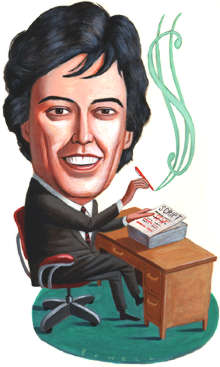
- Worked as journalist—film and theater critic
- 1960—began writing plays, novels, and radio plays
- 1967—gained fame with Rosencrantz and Guildenstern are Dead
|
|
5
|
- Writes for film, television, radio, and the stage
- Three Tony-Award-winning plays
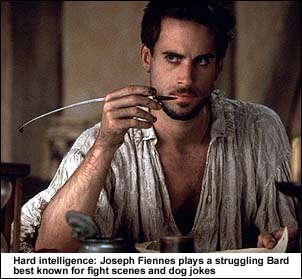
- 1999—won Oscar for Shakespeare in Love
|
|
6
|
- Mixture of high art and popular culture
- Literary Allusions
- Historical dislocation/anachronism
- Humor/Parody/Sense of the Absurd
|
|
7
|
- Use of fantasy
- Blurring boundaries between life and art
- Stage as metaphor for postmodern reality
|
|
8
|
- Parodies the traditional mystery and theater criticism
- Implies that clear solutions and neatly resolved endings are no longer
viable in postmodern reality
- There is no “Real” Inspector Hound!
- Expresses the tenuous nature of existential reality—we can “script”
multiple realities
|
|
9
|
|
|
10
|
|
|
11
|
|

 Notes
Notes