|
1
|
- Idylls of the King:
- “The Passing of Arthur”
|
|
2
|
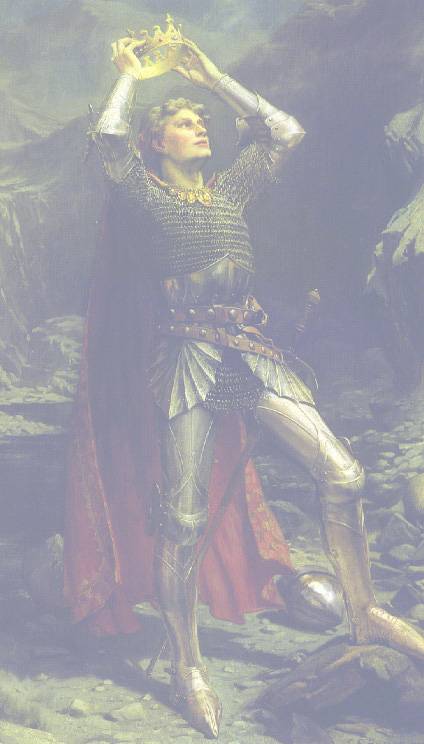
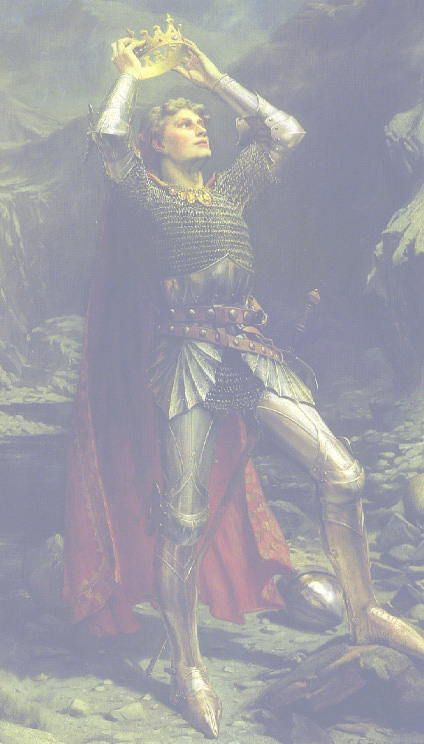
- Body of myths about legendary King Arthur—supposedly ruled England in 5th
century AD
- Camelot, capitol of Arthur’s nation—symbolized ideal of national harmony
- Knights of the Round Table, Arthur’s order of knighthood—knights were
dedicated to fighting for moral purposes
|
|
3
|
- Lancelot, Arthur’s greatest knight and best friend—had love affair with
Arthur’s wife Guinivere
- Loss of Round Table’s moral values—led to civil war and destruction of
Camelot
|
|
4
|
- What did the legend of Arthur mean to Victorians?
|
|
5
|
- Heroic inspiration for progress
- Nostalgic connection to past greatness
- Warning about loss of traditional values
- Sense of order and national identity in a time of threatening change
|
|
6
|
- Idyll—narrative poem treating a romantic theme
- Tennyson wrote 12 separate Idylls based on Arthurian legend
- Published as a collection in 1888
- Intended as a modern epic
- Expresses need for moral order to survive in the face of change
|
|
7
|
|
|
8
|
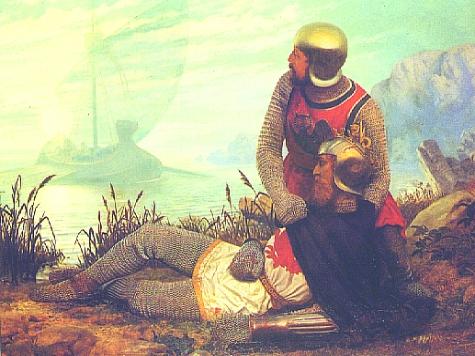
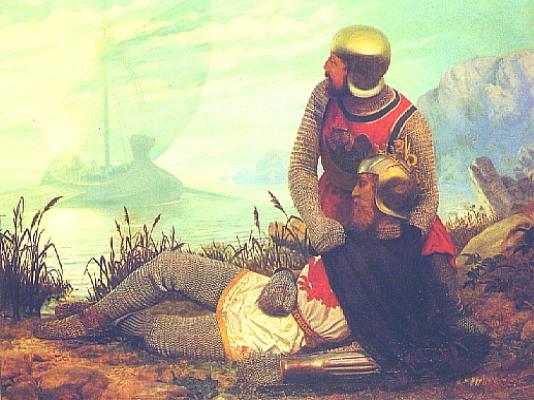
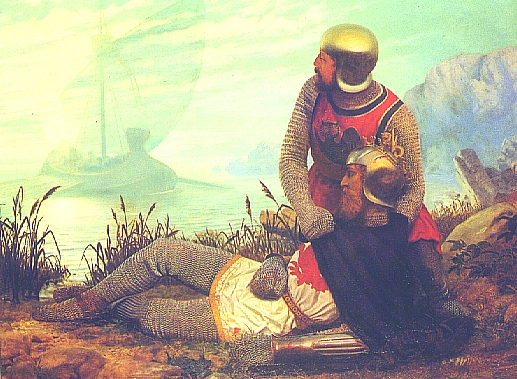
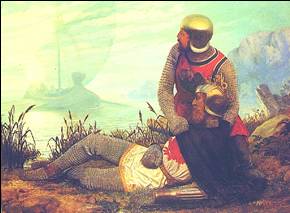
- Recounts final battle of civil war that destroyed Arthur’s kingdom
- Narrated by Sir Bedivere, Arthur’s First and Last Knight
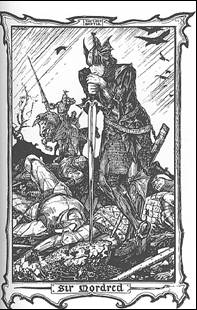
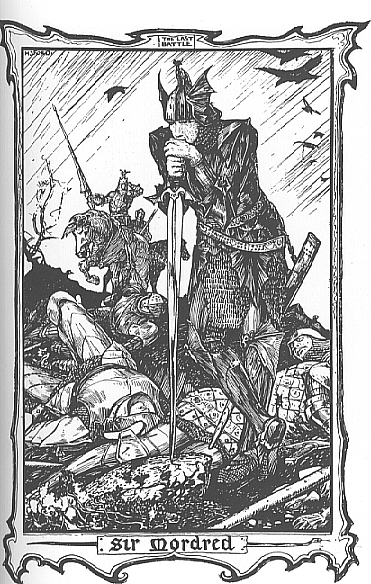
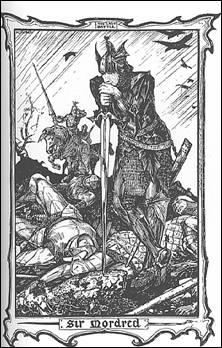
- Modred, Arthur’s corrupt nephew, revealed Lancelot and Guinevere’s
affair, usurped Arthur’s throne, and instigated civil war
|
|
9
|
- Arthur laments that his kingdom has returned to chaos but continues to
fight evil despite defeat (Christ figure)
- Sir Gawaine’s ghost warns Arthur of his passing (loss of spiritual
values)
- Arthur kills Modred but receives a mortal wound
|
|
10
|
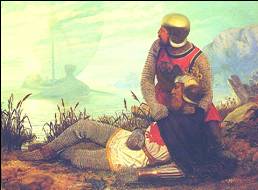
- Sir Bedivere tries 3 times to return Excalibur to Lady of the Lake
- Arthur passes away to Avilion, promising to return again
- Claims that the loss of his order will lead to a new and better order
|
|
11
|
- In times of change and loss, keep the faith in moral order
- While cultures and traditions change, a greater, divine order remains
- Remaining true to the greater order can cause growth and progress to
come from destructive change
|
|
12
|
- Reflects a 20th-century, postmodern attitude to notion of an
orderly universe
- Satirizes forms of order—political, religious, military, etc.
- Influence of Theater of the Absurd
- Life is absurd, without fixed meaning/absolute truth
- Responds to life’s absurdity with bizarre satiric humor
|

 Notes
Notes