|
1
|
|
|
2
|
- Ballad
- Medieval form of poetry intended to be sung
- Narrative poem in short stanzas
- Uses repetition of words and sounds (alliteration and assonance) for
dramatic effect
- Balladic effects enhance sense of spiritual stagnation/isolation
|
|
3
|
- Seven-Part Structure
- Seven—Biblical number of completion
- Traces spiritual cycle of crime, punishment, redemption
- Mariner as Christ figure—bringing spiritual truth to community
|
|
4
|
|
|
5
|
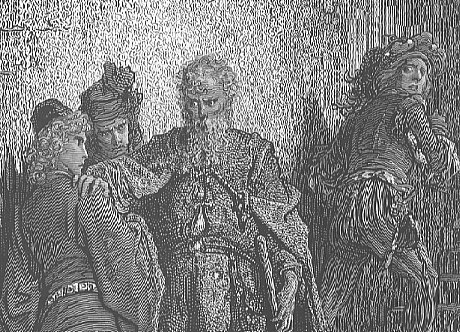
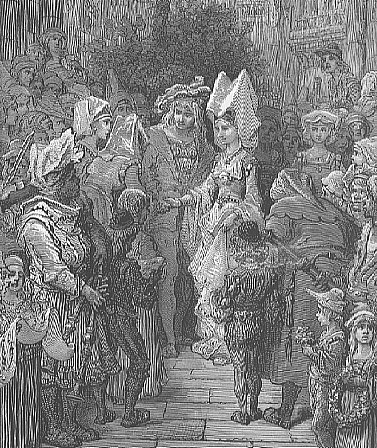
- Frame Narrative
- Provides credibility through real-world setting—wedding feast
- Provides credibility through “everyman” character—wedding guest
|
|
6
|
|
|
7
|
|
|
8
|
|
|
9
|
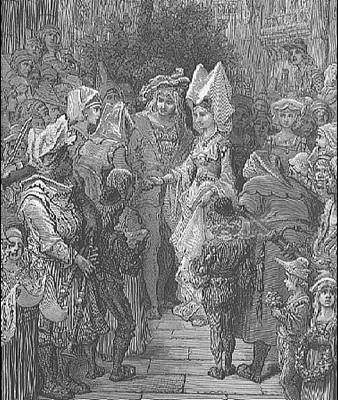
- Frame Narrative
- Provides credibility through real-world setting—wedding feast
- Provides credibility through “everyman” character—wedding guest
- Introduces themes of central narrative—community vs.
individualism/isolation
|
|
10
|
|
|
11
|
- Community
- Village and church
- Spiritual and physical communion left behind
- Individual ambition vs. community
|
|
12
|
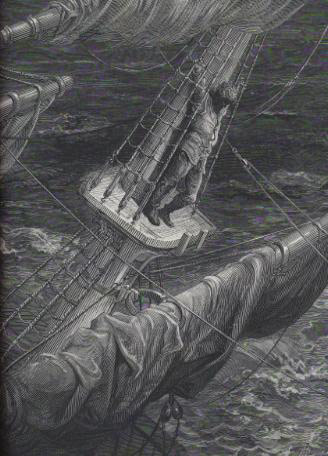
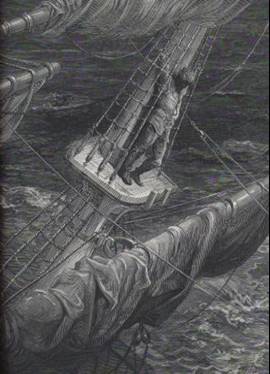
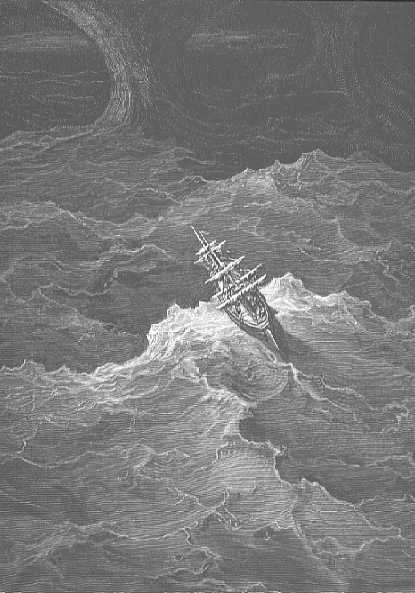
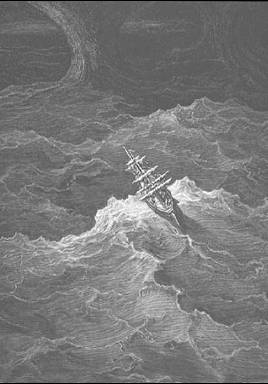
- Stormy Sea
- Drives ship to South Pole
- Spiritual turmoil leading to isolation
|
|
13
|
|
|
14
|
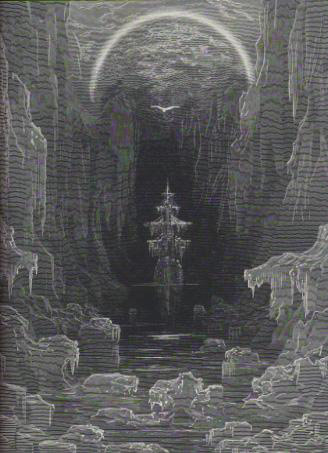
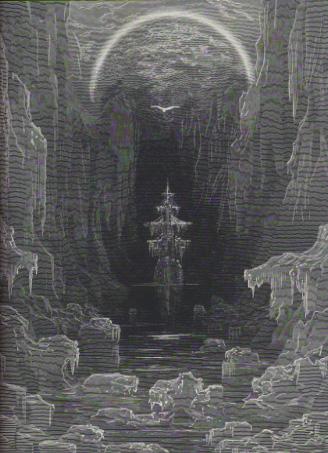
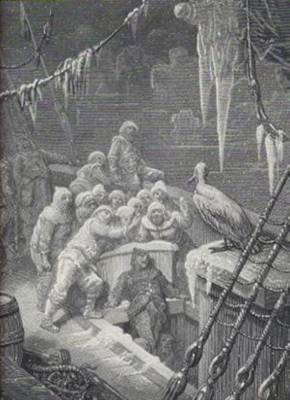
- Antarctic—South Pole
- Cold, ice
- Isolation
- Stagnation
|
|
15
|
|
|
16
|
- Equator
- Hot, withering
- Thirst
- Stagnation
|
|
17
|
|
|
18
|
- Return to Community and Broader World
- Pilot and Pilot’s Boy—horrors of human evil
- Hermit—personal expiation
- Tale told from “land to land”—human redemption, community
|
|
19
|
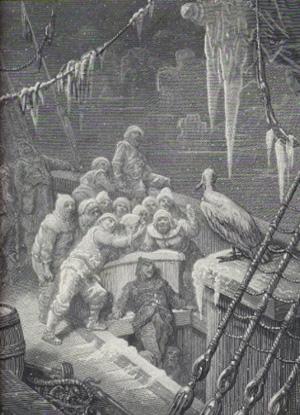
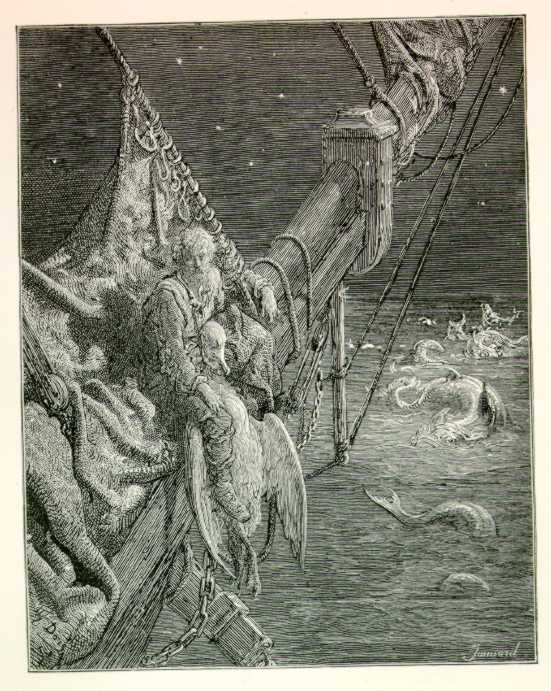
- Albatross
- Bird of good omen for sailors
- Rescues ship from isolation
- Symbolizes redemptive force of community
- Christ symbol—love and sacrifice
|
|
20
|
|
|
21
|
|
|
22
|
- Why did the Mariner kill the Albatross?
- Jealousy?
- Selfish ambition/desire for independence?
- Defiance of God and community?
- Irrational, destructive act representing human capacity for evil
|
|
23
|
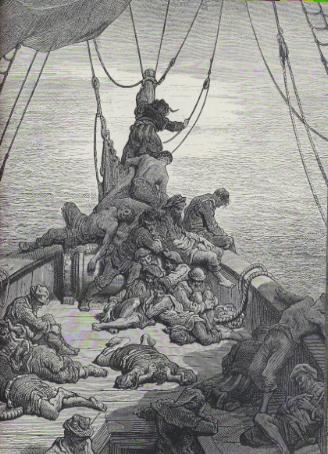
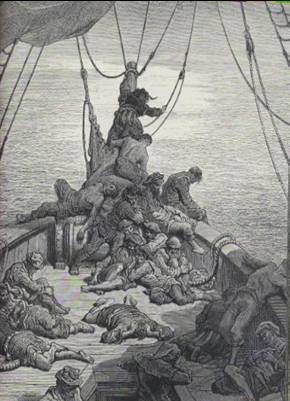
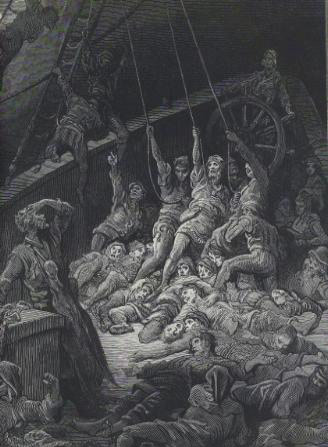
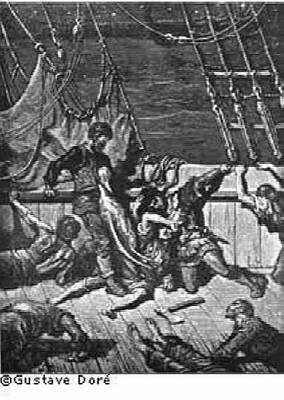
- Ship’s Crew
- Blame Mariner
- Blame Albatross
- Represent Mariner’s guilt, isolation—human guilt, isolation
|
|
24
|
|
|
25
|
|
|
26
|
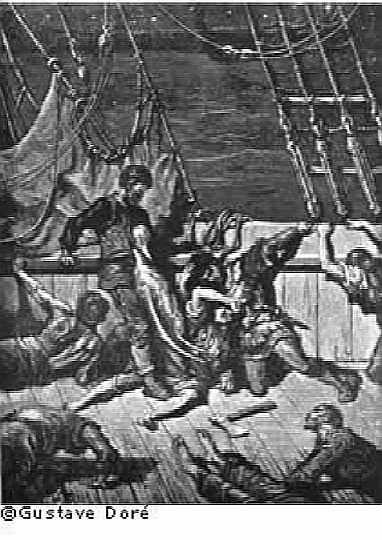
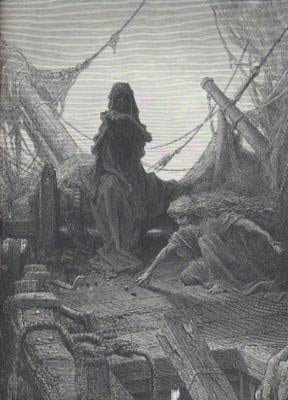
- Death and Life-In-Death
- Sunset/Darkness—approaching spiritual death
- Curse in dead crewmen’s eyes—guilt
- Life-In-Death—punishment for willful isolation
|
|
27
|
|
|
28
|
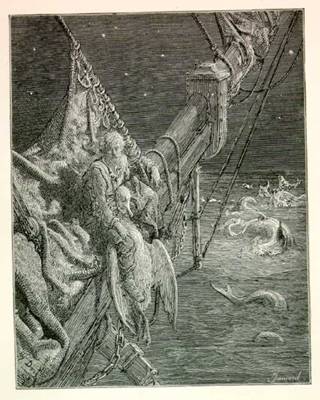
- Water Snakes/Ocean Creatures
- Mariner recognizes he is not alone
- Represent love & community of all living things
- Bring spiritual communion (blessing, prayer) and redemption
|
|
29
|
|
|
30
|
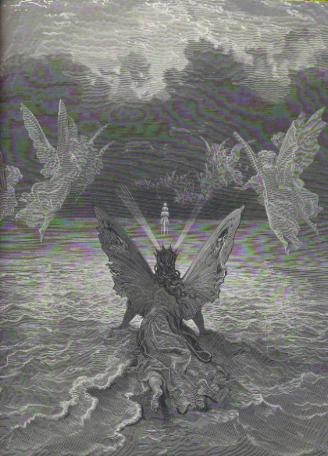
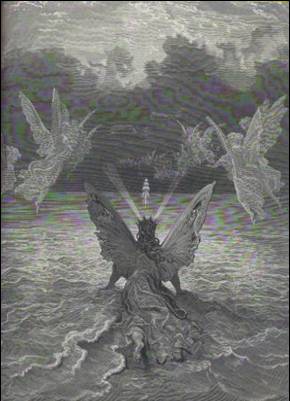
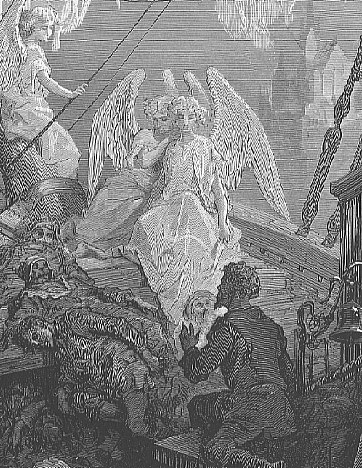
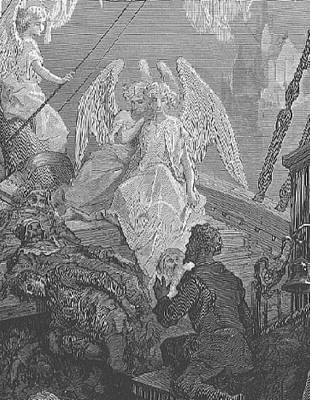
- Angelic Spirits
- Animate bodies of dead crewmen
- Return ship to community
- Light imagery—spiritual enlightenment
- Represent desire for community, recognition of unity with God’s
creation
|
|
31
|
|
|
32
|
|
|
33
|
|

 Notes
Notes