|
1
|
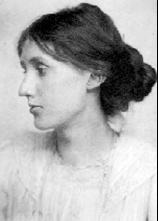
- Defying Female Stereotypes
|
|
2
|
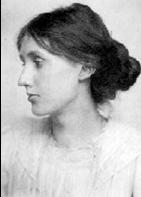
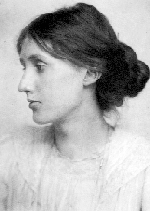
- Raised in a Victorian family
- One of the foremost Modernist novelists
- Concerned with the damaging legacy of the nineteenth-century domestic
ideal for women
|
|
3
|
- “Professions for Women”
- Killing the “Angel in the House,” pp. 2215-2216
- “The Legacy”
- Angela’s diary—woman’s true identity repressed by the “Angel in the
House” domestic role, p. 2226
|
|
4
|
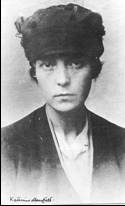
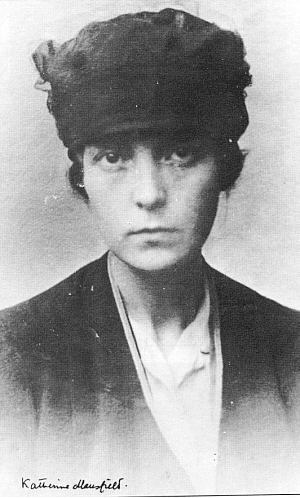
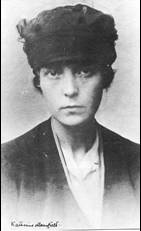
- Born in British colony in New Zealand
- Rebelled against provincial middle-class lifestyle
- Master of short story form
- Presented sex, pregnancy, and social divisions with candor
|
|
5
|
- Depicted young women on brink of adulthood constrained by narrow social
conventions
- “The Garden Party”
- Laura’s hat—stereotypical “decorative” role forced on middle-class
women, pp. 2429-2430, 2433
|
|
6
|
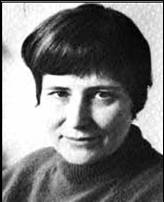
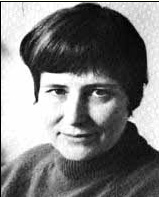
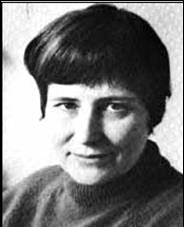
- Raised in British colony of Rhodesia (Zimbabwe) by rigidly authoritarian
parents
- Wrote about racial tensions in southern Africa and women’s search for
independence
|
|
7
|
- Focuses on people’s inability to resist the cultural and social currents
of their time
- “To Room Nineteen”
- Susan’s “intelligent marriage”—even intelligent, enlightened women can
still be hampered by the domestic stereotype, pp. 2542-2544
- The river—emotional release and freedom, p. 2546
- The room—independent identity, p. 2558
|

 Notes
Notes