
Study Highlights Opportunities to Improve Birth Control Education
Pharmacy researchers highlight need for improved education as over-the-counter access expands
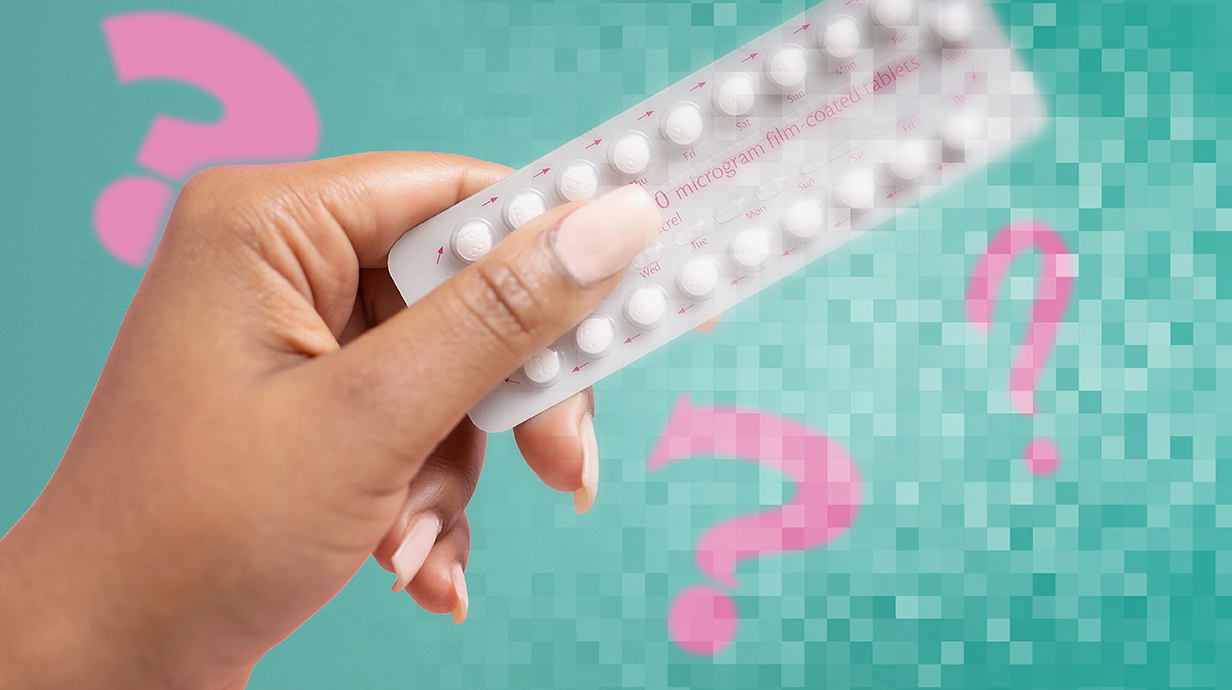
OXFORD, Miss. – A University of Mississippi study reveals that young women aged 16 to 24 across the nation do not necessarily have the needed knowledge when it comes to birth control.
Birth control pills are more accessible without a prescription. But research led by Ivy Leong, graduate student in the Ole Miss School of Pharmacy, and Erin Holmes, professor of pharmacy administration and research professor in the Research Institute of Pharmaceutical Sciences, discovered that young women's knowledge surrounding birth control has plenty of room for improvement.
"Accessing birth control pills without a prescription is a significant and positive advancement in women's reproductive health," Holmes said. "With that in mind, this research sought to understand young women's knowledge about birth control so that health care professionals, including pharmacists, can better understand how to educate and support this population."

Among young women, birth control pills are the most popular option, and over-the-counter availability is expected to spur even greater demand, Leong said.
"Knowledge about birth control pills can ensure appropriate and safe use, as self-medication selection and management become important in the over-the-counter setting," she said.
The study explored the level of knowledge among U.S. adolescents and young women about birth control pills in general. About 45% of the participants lived in the South, with 20% in the Midwest and 20% in the West.
"To measure their knowledge about birth control pills, they were asked to respond to nine questions related to pill use, efficacy, indication, mechanism of action, risks and side effects," Leong said.
The study found that the average knowledge score was 4.08 out of 9, indicating a moderate level of knowledge.
Those surveyed most often struggled to correctly answer questions related to the medication's side effects, how the medication prevents pregnancy and what to do after missing doses.
"These results help us understand exactly where deficiencies in knowledge may be," Holmes said. "This gives us better insight into how to educate and support this population."
Individuals interested in using over-the-counter birth control pills had a slightly higher knowledge score of 4.11 of 9, with the areas of side effects and how the pills work remaining among the weaker knowledge areas.

"Understanding birth control pill knowledge among young populations provides insights into areas that can be strengthened, such as how to manage side effects and how the pill prevents pregnancy," Leong said. "Manufacturers and pharmacists can utilize this information by putting emphasis on these knowledge areas when producing educational materials or advising patients.
"Moreover, existing decision aids on choosing birth control, such as websites and female health mobile apps, can further emphasize these knowledge areas to ensure that young populations are well-informed."
Women in this age group can learn about birth control in several ways, including from family, friends and health care providers.
"Going to a health care provider, such as a community pharmacist, is recommended, as the conversation can be tailored to the woman's current needs and help select and access her most preferred option," Leong said.
Online information can also be beneficial.
"Tools such as bedside.org are especially helpful for young women who do not have easy access to pharmacy and health care providers," Leong said. "However, these websites are not interactive and do not consider an individual's current health conditions and medications."
No matter whether a person receives birth control pills with a prescription or over the counter, knowledge can be key to improve the drugs' effectiveness.
"This work was conducted to understand birth control pill knowledge among young women," Leong said. "Having knowledge of birth control pills can benefit young populations when choosing between various birth control options and when taking birth control pills, regardless of how they are acquired."
Top: Birth control pills are more accessible than ever, but am Ole Miss study found that young women's knowledge about how the pills work and possible side effects is less than optimal. They suggest that manufacturers and pharmacists step up educational efforts in these areas. Photo illustration by John McCustion/University Marketing and Communications
By
Marisa C. Atkinson
Campus
Office, Department or Center
Published
May 18, 2026