Admiral's Visit Connects Students to Global Ocean Challenges
Global maritime leader discusses the future, importance of ocean mapping
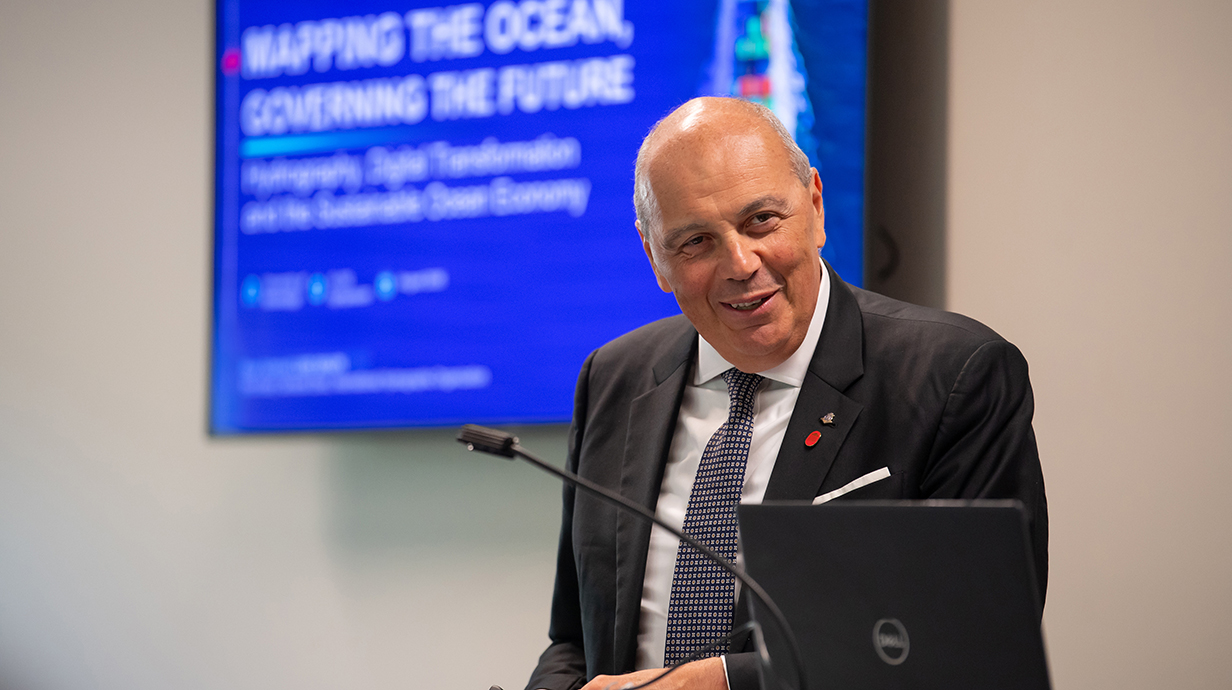
OXFORD, Miss. – University of Mississippi students recently got an inside look at how science, technology and international cooperation informs the world's maritime policy during a visit from Rear Adm. Luigi Sinapi, an international leader in hydrography.
Sinapi, secretary general-elect of the International Hydrographic Organization, spoke to Ole Miss students Tuesday (Aug. 11) in the School of Law.
The International Hydrographic Organization coordinates efforts with 104 countries worldwide to establish standards for hydrographic surveying, nautical charts and navigational information. Those standards help countries collect and share information about the world's oceans and waterways, which supports safe navigation, marine research, coastal management and environmental protection.
"Across the world, ships are using nautical charts built with the standards issued by the International Hydrographic Organization," Sinapi said. "Delivering the right information to the right user in the right format at the right time; it's very easy to say, but it's a complex problem on which the international community has been working for decades."
The key to providing accurate data is cooperation between universities, researchers and member states, Sinapi said.
"Future hydrographers, engineers, scientists and lawyers will increasingly work in multidisciplinary teams," he said. "Exposure to each other's methods and vocabulary is therefore a practical capability, not merely an academic advantage.
"The University of Mississippi is particularly well-placed to contribute to this wider vision because it brings together environmental research, marine technology, artificial intelligence and nationally focused centers for ocean and coastal (research)."
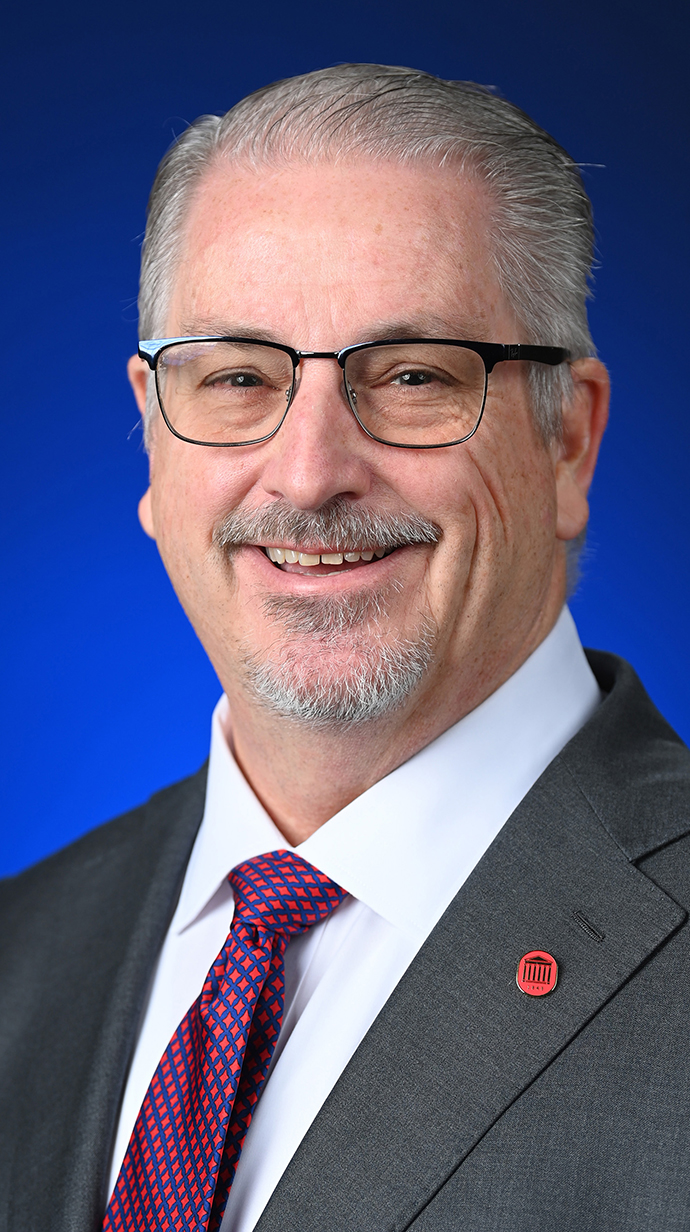
Hearing global issues from international leaders helps students better understand career paths they may have never considered, said John C. Higginbotham, UM vice chancellor of research and economic development.
"Bringing a global leader like Admiral Sinapi to campus gives our students an opportunity to engage with someone who is shaping the future of ocean mapping, maritime policy and the blue economy," he said. "Experiences like this help our students understand that what they learn in the classroom connects to challenges and opportunities around the world."
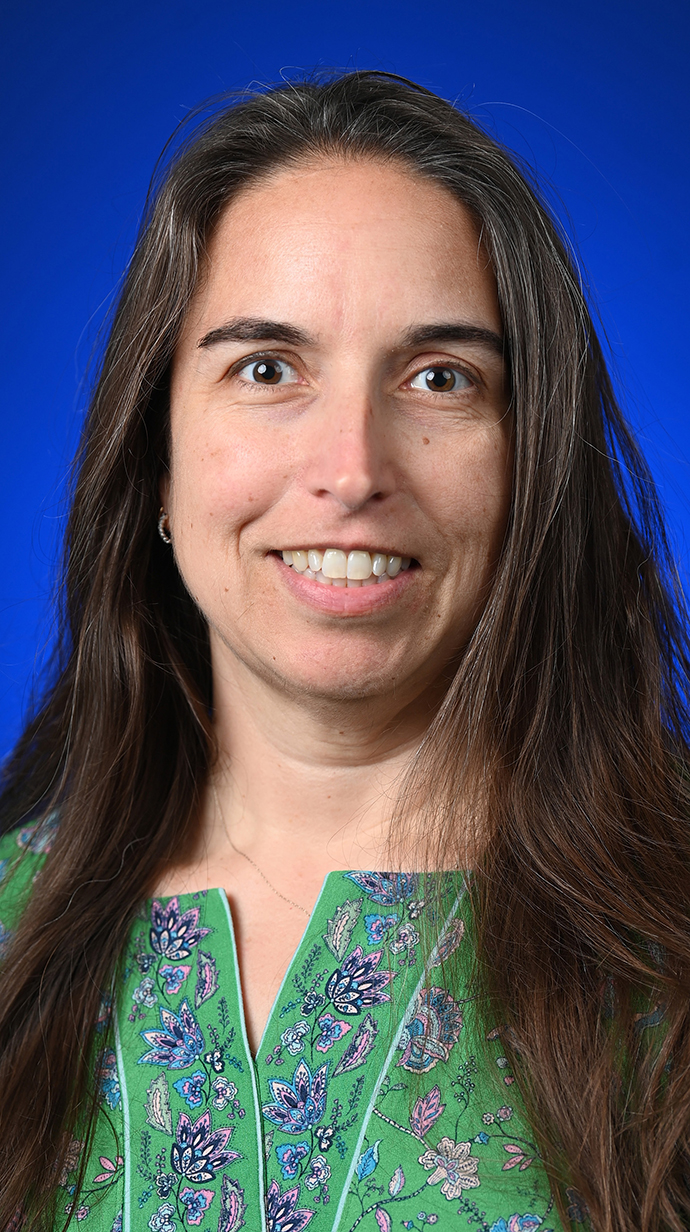
The talk, organized by the Center for Marine Resources and Environmental Technology and the National Sea Grant Law Center, also showed students how scientific data can inform policy, economic decisions and environmental action, said Stephanie Otts, director of the law center.
"For any of the work we do in the world's oceans, we have to first understand what the rights and responsibilities are if we're operating outside of our borders, and the IHO helps set those standards," she said. "I think this was an opportunity for students to see that and to have a broader understanding of how scientific research is used beyond discovery and testing hypotheses."
Learning about global issues from a leader who must contend with them also helps students realize how influential what they learn in the classroom can be, said Patricia Hughes, a law student from Oxford.
"It's an introduction to a part of the world and the way it works that might seem out of reach," she said. "These are the kind of people that we see on the news, but they're just people, and we're both here in Oxford.
"This kind of event makes it accessible to learn more about the world and the policies that make it work."
Top: Rear Adm. Luigi Sinapi, secretary-general elect of the International Hydrographic Organization, speaks to students and faculty Tuesday (Aug. 11) at the School of Law. The organization provides the standards by which the world charts its oceans, work that informs environmentalism, tourism, national security and many other maritime activities. Photo by Kevin Bain/Ole Miss Digital Imaging Services
By
Clara Turnage
Campus
Office, Department or Center
Published
August 12, 2026