
War Correspondent to Showcase How Conflict Can Ripple Around the Globe
Historian, author Scott Anderson to discuss the ongoing Iran war and 1978-79 Iranian Revolution
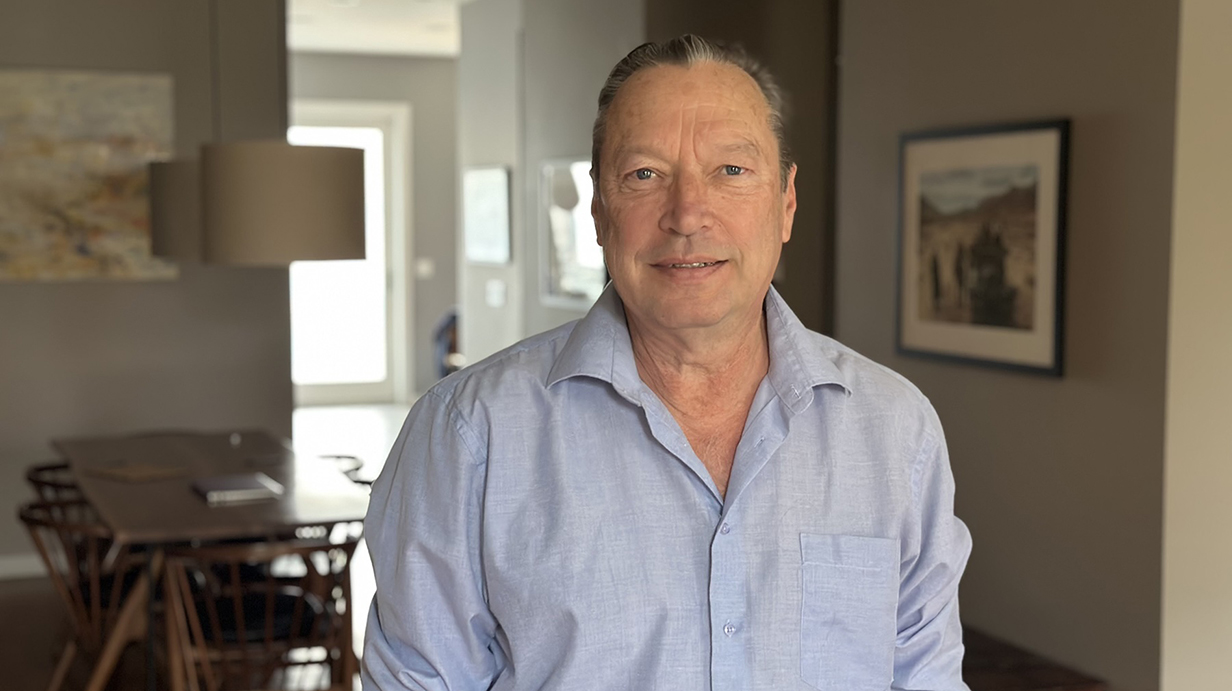
OXFORD, Miss. – Historian and war correspondent Scott Anderson will discuss two world-changing events emerging from Iran nearly five decades apart during a guest lecture Monday (Sept. 28) at the University of Mississippi.
Anderson will examine how the 1978-79 Iranian Revolution and the current war with the U.S. change the world's geopolitical chessboard. The lecture, at 5:30 p.m. in the Overby Center for Southern Journalism and Politics, is free and open to the public.
"Scott is at heart a journalist, so a riveting storyteller with a keen eye for character building and dramatic tension in his narratives," said Noell Wilson, executive director of the Croft Institute for International Studies. "He is a high in-demand commentator for prominent news outlets, such as the 'PBS News Hour,' where he was just interviewed (Sept. 21)."
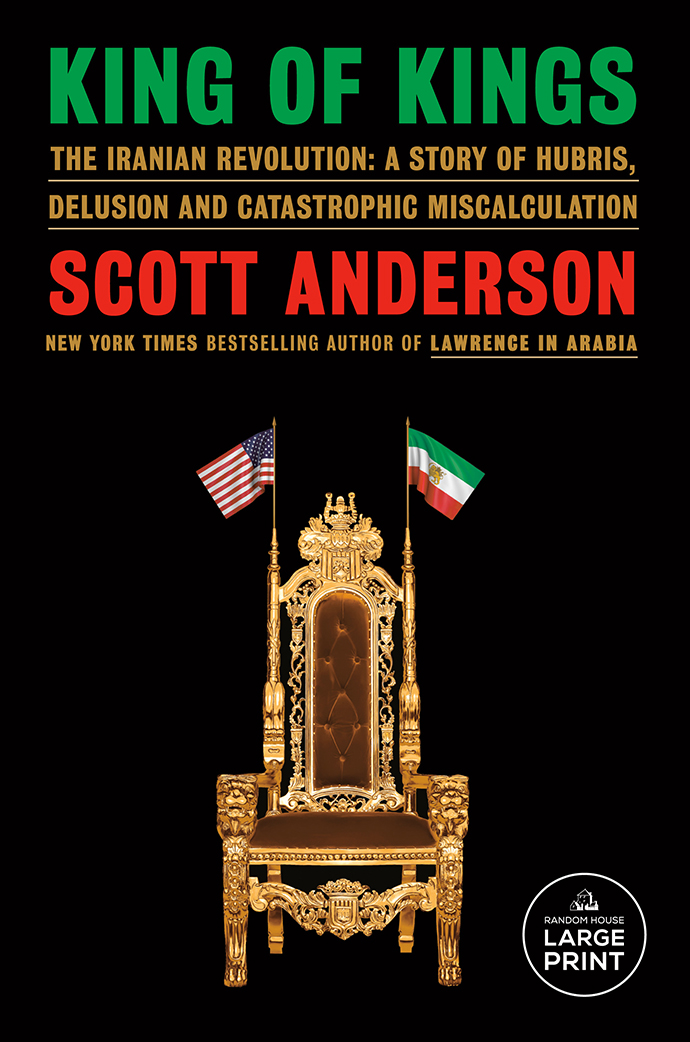 He has been published in a variety of major news outlets such as The New York Times Magazine, Vanity Fair, Esquire, Harper's and Outside. His books include "Lawrence in Arabia," "The Man Who Tried to Save the World" and "War Zones."
Croft students were required to read Anderson's Pulitzer Prize finalist book, "King of Kings: The Iranian Revolution – A Story of Hubris, Delusion and Catastrophic Miscalculation" (Penguin Random House, 2025), over the summer and report on it this semester.
"They found it thought-provoking and an easier than expected read, compared to some of the more academic texts assigned in Croft coursework," Wilson said.
Anderson's adventures in conflict zones include stints in Lebanon, Israel, Egypt, Northern Ireland, Chechnya, Sudan, Bosnia and El Salvador. His experiences around the world give him a unique perspective on how events in a single country have ripple effects around the globe, Wilson said.
"Anyone who attends will leave with a deeper appreciation for how the history of the Middle East influences U.S. foreign policy, and international affairs more broadly, in 2026," Wilson said.
Top: Author and war correspondent Scott Anderson will examine the lasting impacts of the 1978-79 Iranian Revolution and the ongoing U.S.-Iraq conflict on regional and global. The lecture is set for 5:30 p.m. Monday (Sept. 28) in the Overby Center for Southern Journalism and Politics. Photo by Nanette Burnstein
By
Cain Madden
Campus
Office, Department or Center
Published
September 23, 2026