
Experts to Explore True Crime, Storytelling and Justice at Ole Miss
'Justice Narrative' roundtable examines how crime and court cases are researched, reported and understood

OXFORD, Miss. – North Mississippi armchair detectives can learn from leading experts in true crime, investigative journalism and the law on Thursday (Oct. 22) at the University of Mississippi during "The Justice Narrative" roundtable discussion.
The moderated conversation will begin at 6 p.m. in the Overby Center for Southern Journalism and Politics Auditorium and is free and open to the public. It is sponsored by the university's School of Law, School of Journalism and New Media, the Overby Center, Department of Southern Studies and the First Regional Library.
Attendees will hear about the intersections of how true crime stories, court cases and justice are researched, litigated and reported.
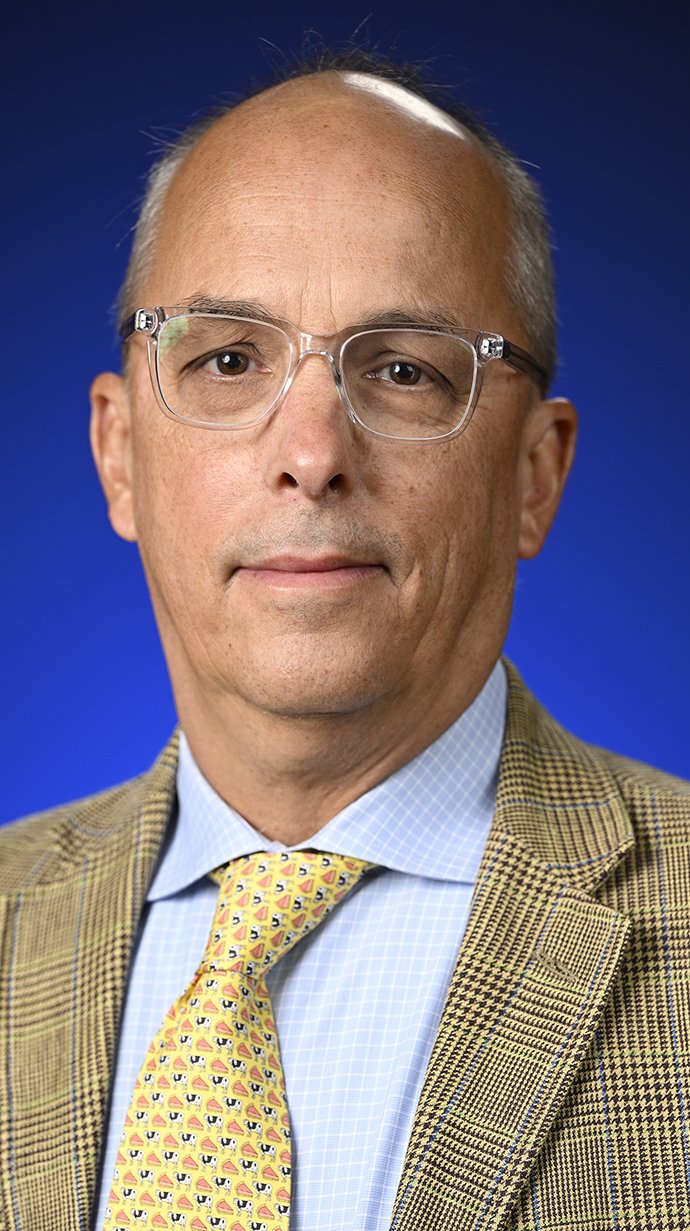
"This is a phenomenal group of people that are exceptionally skilled in their respective fields, and we are fortunate to have them come together at the University of Mississippi for a collaborative conversation," said Tucker Carrington, professor of law, dean of clinical programs and George C. Cochran Innocence Project director. "To hear from just one of these individuals would be incredible, but to have them all together presents an extraordinary opportunity."
The topic is relevant not just to attorneys and journalists, but also to millions of people who enjoy true crime media across the country, said Abigail Reid, a third-year law student from Jackson who is assisting with the event.
"A conversation about the justice narrative is a conversation about the stories through which we attempt to understand the idea of justice itself," she said.
"It asks us to challenge ourselves to ask: Who gets to tell these stories? How should they be told? Whose voices should be heard? And what happens when these stories, and the public scrutiny that follows, reveal a new truth?"
The panelists sharing their expertise are:
- Pamela Colloff, a two-time National Magazine Award winner, New York Times Magazine and ProPublica reporter and author of the true crime book "Catch the Devil" (Penguin Random House, 2026). She has spent her career investigating and reporting complex criminal cases to the public.
- Madeleine Baran, a Pulitzer and Peabody Award-winning investigative journalist. She is also the host of The New Yorker podcast "In the Dark," whose second season focused on the Montgomery County court case of Curtis Flowers. Flowers, who recently died, was tried six times over 24 years for a quadruple homicide.
- Jo-Ann Sagar, an attorney and partner at Hogan Lovells Cadwalader law firm in Washington, D.C. She has an active pro bono practice that focuses on civil rights, criminal law and prison conditions. Sagar most recently represented Mississippian Terry Pritchford before the U.S. Supreme Court, which vacated Pitchford's conviction and death sentence.
- Kate Rodemann, a longtime magazine and book editor whose projects have won National Magazine Awards and been turned into television series and films. She serves as director of nonfiction at Verto Literary editorial consulting studio and has worked on numerous true crime stories.
- Laura Fernandez, a clinical lecturer in law, research scholar and Senior Liman Fellow in Residence at Yale Law School's Liman Center for Public Interest. Her research focuses on prosecutorial power, ethics and accountability. She was on the defense team for Wilbert Rideau, who was released from Louisiana's Angola Penitentiary in 2005 after serving 44 years.
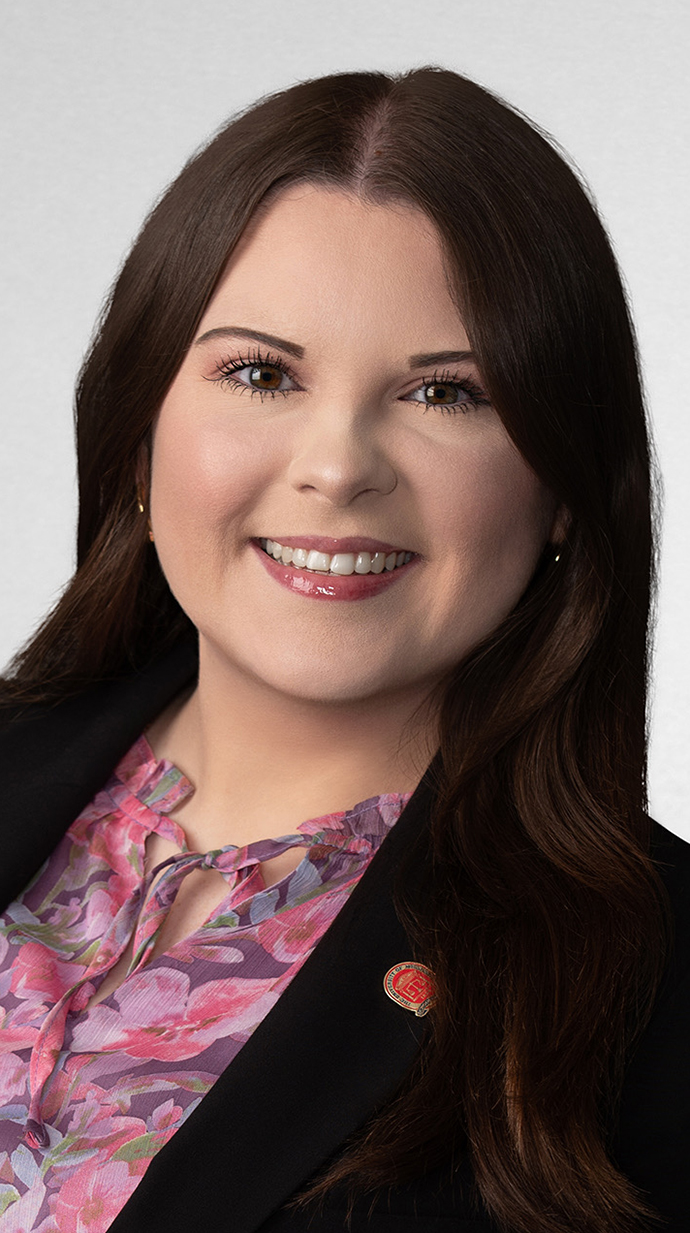
"We hope that attendees leave with a deeper understanding of the relationship between storytelling and the law, a more discerning approach to the true crime they consume and a greater appreciation for the people whose lives continue long after a story ends," Reid said.
"Above all, we hope the discussion encourages thoughtful questions and deliberation about what justice is, what it requires and the roles journalists, lawyers and the public can play in pursuing it."
Attorneys can receive one hour of continuing legal education credit for attending.
Top: A panel of investigative journalists and legal experts will discuss how true crime stories are researched, litigated and reported in 'The Justice Narrative,' a moderated conversation set for 6 p.m. Thursday (Oct. 22) in the Overby Center for Southern Journalism and Politics Auditorium. Adobe Stock photo
By
Marisa C. Atkinson
Campus
Office, Department or Center
Published
October 18, 2026