
Live in the Heart of Campus: Experience Residential Living at Ole Miss
Make the most of your college experience by living with Student Housing, where convenience, community, and academic success come together. With a variety of housing options from traditional residence halls to apartment-style living, Ole Miss provides a vibrant, supportive environment just steps from your classes, dining, and student activities. Whether you're looking for a social atmosphere or a quiet study space, campus living offers something for everyone, and a wide range of amenities designed to enhance your daily life as a Rebel.
Home Sweet Home

Contemporary Halls
Our newest residence halls feature in-room bathrooms as well as amenities such as community kitchens, large lounges, and spacious study rooms. Males and females live on separate wings in these buildings.
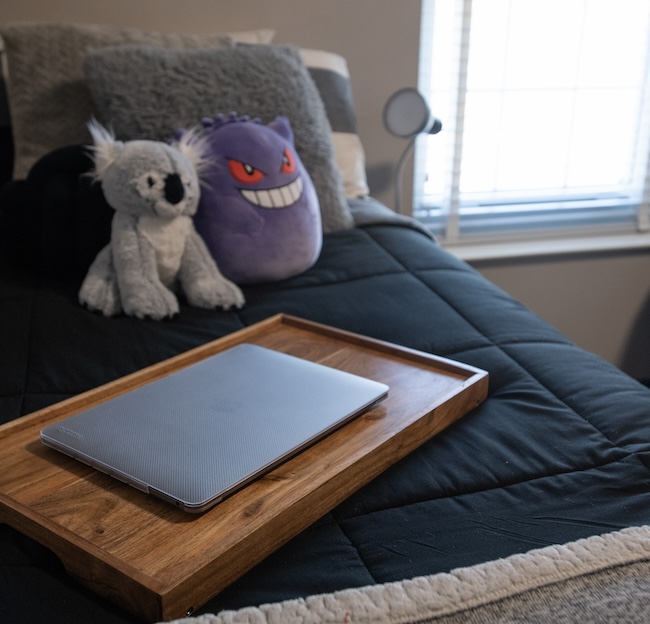
Residential Colleges
Our residential colleges (RCs) offer enriching experiences to undergraduate students of all classifications. These family-style communities include faculty fellows who live in the buildings and host events and activities for members.

Traditional Halls
Our seven traditional halls, built between 1952 and 1973, offer classic residential experiences. Each building has a unique set of amenities. Community bathrooms are conveniently located on each floor or wing.

Air Quality and Mold: What Residents Should Know
Air handling coils are cleaned and disinfected twice a year, and air filters are changed every 30 days. University Housing also partners with an environmental testing firm to conduct air quality testing across residence halls each year.
If a concern is reported in a specific room, our maintenance team conducts a visual inspection first. If mold is suspected, the room may be elevated for one-off environmental testing by a professional firm to determine whether it is present and guide next steps.
- Keep windows closed so your HVAC unit can maintain proper temperature and humidity.
- Don't block the air supply vent in your room, for example by placing an air filter over it. This restricts airflow and can affect how well the HVAC system works.
- Report any concerns to your front desk or submit a work order right away.
No. There are no federal or state regulations that set exposure limits for mold or mold spores in buildings, and neither the CDC nor public health departments have established health standards for mold spore concentrations in indoor air. Guidance from these agencies is consistent: visible mold on building materials should be cleaned up and remediated.
The university follows its own preventative maintenance practices to keep air quality high. We clean and disinfect air handler coils twice a year, and change air filters every 30 days. We also partner with an environmental testing firm to conduct air quality testing across residence halls annually.
If you believe you have mold in your residence hall room or apartment, please submit a work order so University Housing staff can respond.
A qualified Housing team member will respond and conduct a thorough visual inspection of furniture, walls and vents for evidence of mold growth or other issues. If further testing is needed, results are shared with the resident and guide any remediation steps.