Physics Student to Advocate for Science Policy in Washington
Doctoral student Byungchul Yu named top winner in national science policy contest
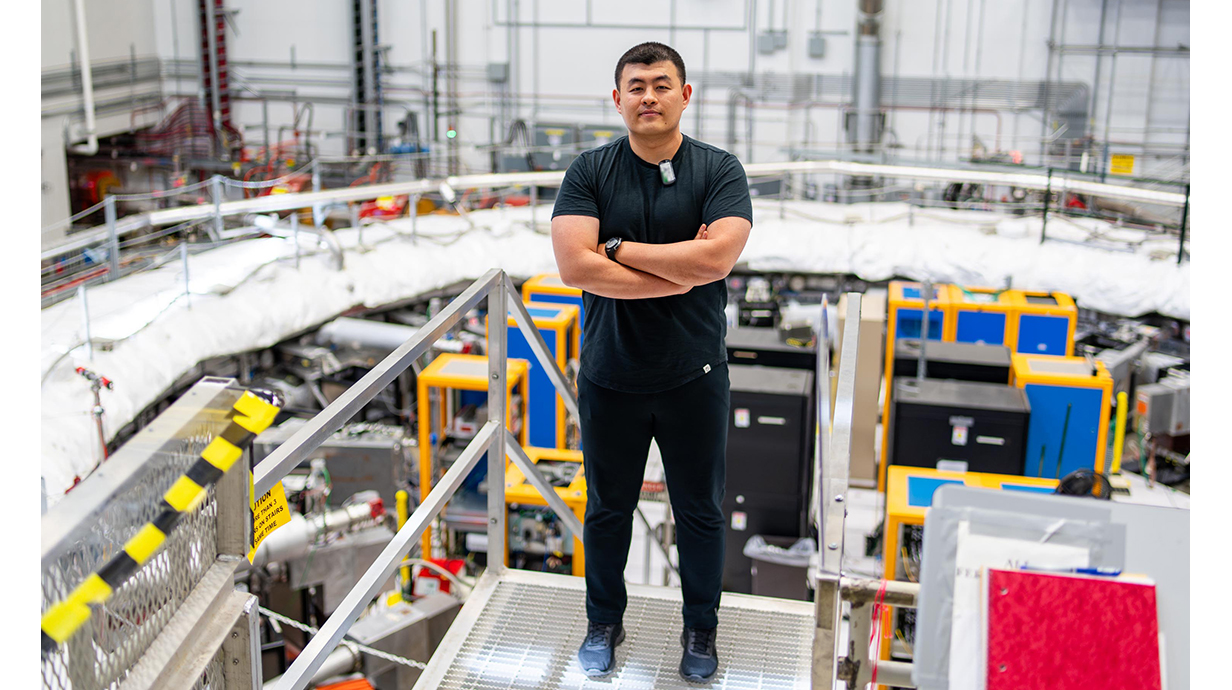
OXFORD, Miss. – The University Research Association selected University of Mississippi doctoral student Byungchul Yu as one of the top winners of the 2025 Science Policy and Advocacy for Research Competition.
Yu, a fifth-year doctoral student in physics from Suwon, South Korea, spent 11 weeks last fall learning to communicate about research as part of the association's annual competition. As one of the top students in that program, he will travel to Washington, D.C., to speak with national leaders about the importance of supporting fundamental science.
"Fundamental physics – like particle physics, astrophysics, astronomy – those researchers are supported by funding from the general public," he said. "So, without their help, we could not exist and we could not study this. We have a responsibility to let people know what we are doing, why it matters to the scientific community and even broader, why it matters to society.
"And it can become a beautiful circle. If we spread our knowledge, some of the public, including some new generation, their curiosity may be sparked. Then they can become a part of the scientific community, too."
The recognition was Yu's second honor in as many months, said Breese Quinn, Ole Miss professor of physics and astronomy.
In November, Yu also won the Fermilab Research Slam, a competition that asks students to explain their research simply, completely and in under three minutes. He advances to travel to Washington, D.C., again to compete in the national slam, which brings together the top presenters from all 17 U.S. national labs.
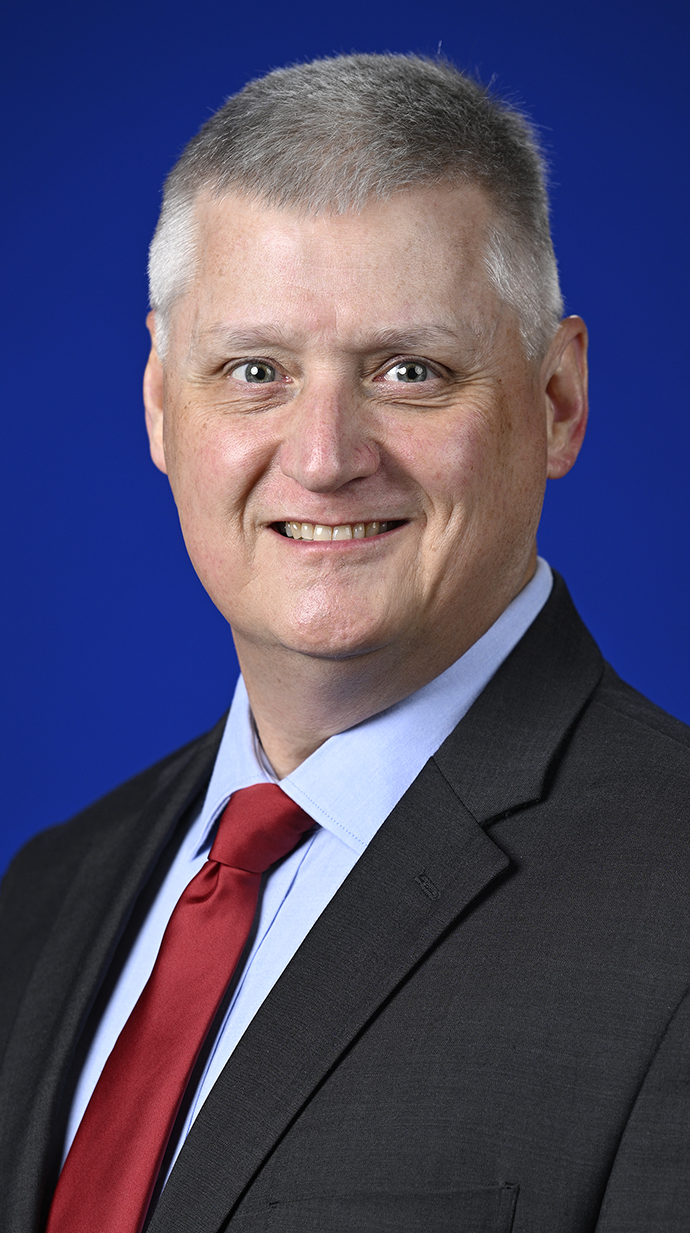
"Byungchul is a fantastic scientist, having won multiple awards supporting his research," Quinn said. "However, to me, what truly sets him apart is that that of all the students I have known, Byungchul is filled with more genuine joy not only for learning new things about our universe, but also for sharing that wonder of discovery with everyone that he can.
"He has already developed great skills as a physicist, but now he has put in the work to also become one the best advocates for science in the world."
Yu is working at the Department of Energy's Fermi National Accelerator Laboratory as a recipient of the URA Visiting Scholars Awards. His research focuses on searching for evidence of dark matter in the data from the international particle physics experiment Muon g-2 at Fermilab.
While scientists can often become engrossed in technical language and jargon, the purpose of the SPARC competition was to learn to communicate the intricacies of advanced science simply – so simply a child can understand it.
"Each month we had to complete an individual milestone assignment, and the training is tailored to support that specific task," he said. "The second milestone involved designing and delivering a workshop-style presentation for fifth-grade students at an elementary school in the Chicago area.
"Preparing for that experience taught me a lot, and it reminded me of my own curiosity as a child. It was a very special experience."
After the third assignment, Yu was ranked among the top four participants in the competition, which included postdoctoral researchers as well as current students. This spring, Yu and the other winners will put their skills into practice as they advocate for fundamental science in the nation's capital.
"That experience will be incredibly valuable, because it shows how scientific ideas move beyond the laboratory and into the public," he said. "As a physicist, I often focus on research within academic circles.
"This program helps bridge that gap and gives us a clear picture on how science can inform the policy and society more broadly."
When Yu finishes his doctoral degree, he said he wants to continue to bridge the gap between society and science.
"My long-term goal is to continue as a research scientist while also playing an active role in connecting science with the public," he said. "I want to contribute, not only through discovery, but also by helping shape how scientific knowledge is communicated and supported.
"This SPARC training shaped how I communicate across disciplines, engage with nonscientific audiences and think about research in a broader societal context. Those skills will be essential no matter where my scientific career leads."
By
Clara Turnage
Campus
Office, Department or Center
Published
January 21, 2026