Ole Miss Archeology Student Finds Calling in Alaska
Graduate student Sonya Gentile spent her summer looking for cultural resources in the Arctic
OXFORD, Miss. – Picking wild blueberries, flying over a scenic valley within a mountain range and hiking through a serene landscape while trying to find a bear are highlights of a University of Mississippi student's summer.
But the biggest highlight was getting to do all that as part of a dream job, serving on an archeological survey team inside the Arctic Circle.
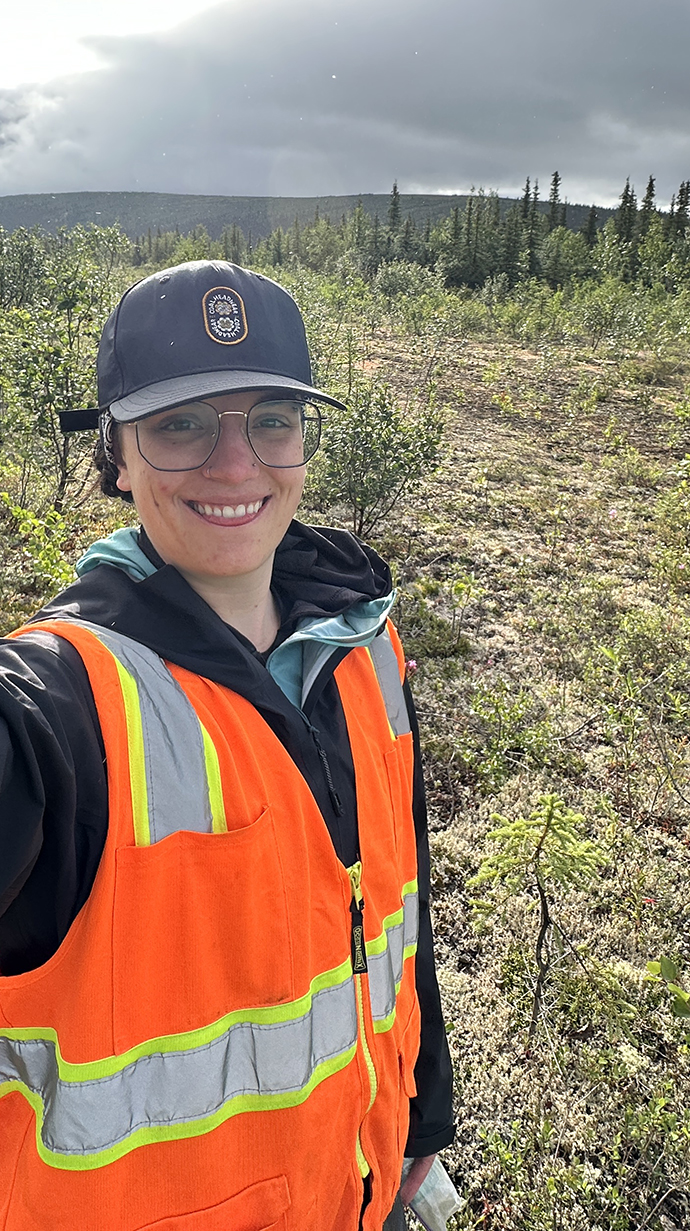
Sonya Gentile stops to admire the scenery on the way to a survey site near the Brooks Range in northern Alaska. Gentile said she wants to return to Alaska for work after graduation. Submitted photo
"It was amazing," said Sonya Gentile, a graduate student in anthropology focusing on archeology. "After this summer, it has definitely solidified the kind of work I want to do."
The Durango, Colorado, native spent her summer in a remote area of northern Alaska, near the Brooks Range. She worked with the Northern Land Use Research Alaska LLC consulting firm on a cultural resource management assessment to determine if the area is suitable for development.
The goal is to identify and preserve prehistoric and historic cultural sites, many of which are connected to present-day Alaska Native peoples.
"Everyone has a right to their histories," she said. "I think throughout time, we have seen the erasure of culture by both aggressive and indirect non-intentional means, so ensuring that we are protecting people's histories helps keep their culture and traditions alive."
Joshua Lynch, assistant professor of anthropology, was Gentile's advisor in Alaska. He hopes to develop a "pipeline" into applied archeology jobs for students, and Gentile's experience shows the value of internships and summer jobs in the field, he said.
"From my perspective as a professor, I think Sonya did an amazing job of demonstrating the value of the methodological training that she is getting here in the department," Lynch said. "She was able to go into the back country and excel in this type of job."
Gentile also earned praise from the company.
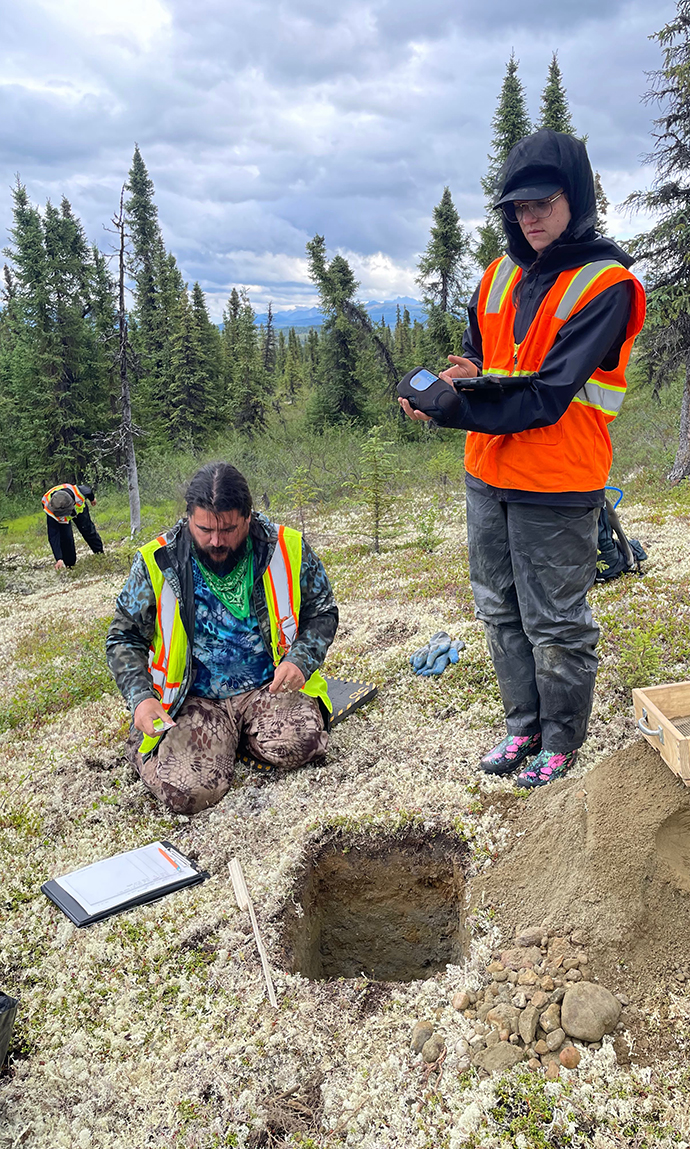
Sonya Gentile (right) records data at a dig site in the Arctic Circle of Alaska. Submitted photo
"From a professional standpoint, the NLURA would like to work with Sonya in the future, and they would like to see more students in the program," Lynch said. "So in terms of a pilot study, it seems like everyone is well pleased."
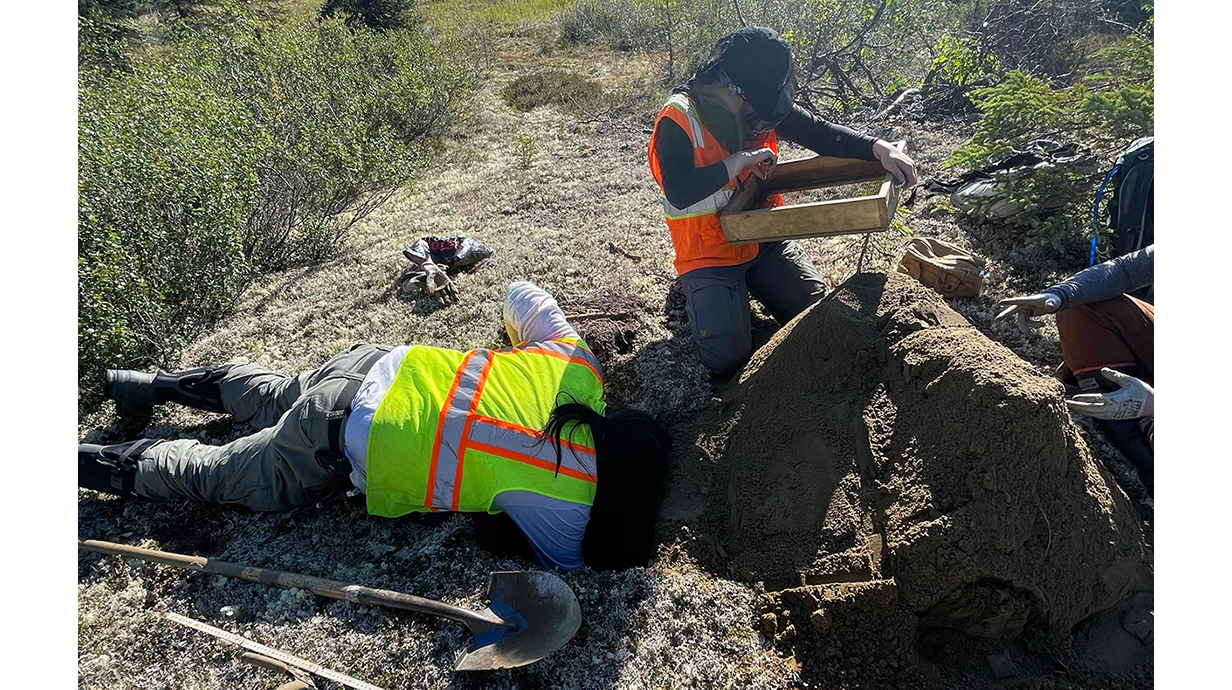
Gentile and her team started with a helicopter survey of the land. They picked areas to survey on foot, looking for likely spots to conduct shovel tests.
For a shovel test, team members would dig around three feet or so down and sift through the removed soil for any buried artifacts.
Ultimately, Gentile's team only found one artifact, a stone flake likely dropped when someone making a stone tool chipped it off a larger rock. Because few artifacts were found, the team deemed the area suitable for development, she said.
The lack of artifacts is not surprising, Gentile said. It is remote and likely the main historical human use would be for hunting, following the caribou herds, and not as a settlement.
"The landscape we were on was a lot of tundra and marshland stuff, where of course people don't want to live there for a long period of time," she said. "So, if they were there, they were likely going from one location to another where it was better for long-term settlement."
Despite the remote setting, the team stayed in a camp with several permanent structures, Wi-Fi and a full-time chef. They slept in tents, which had real beds and blackout screens.
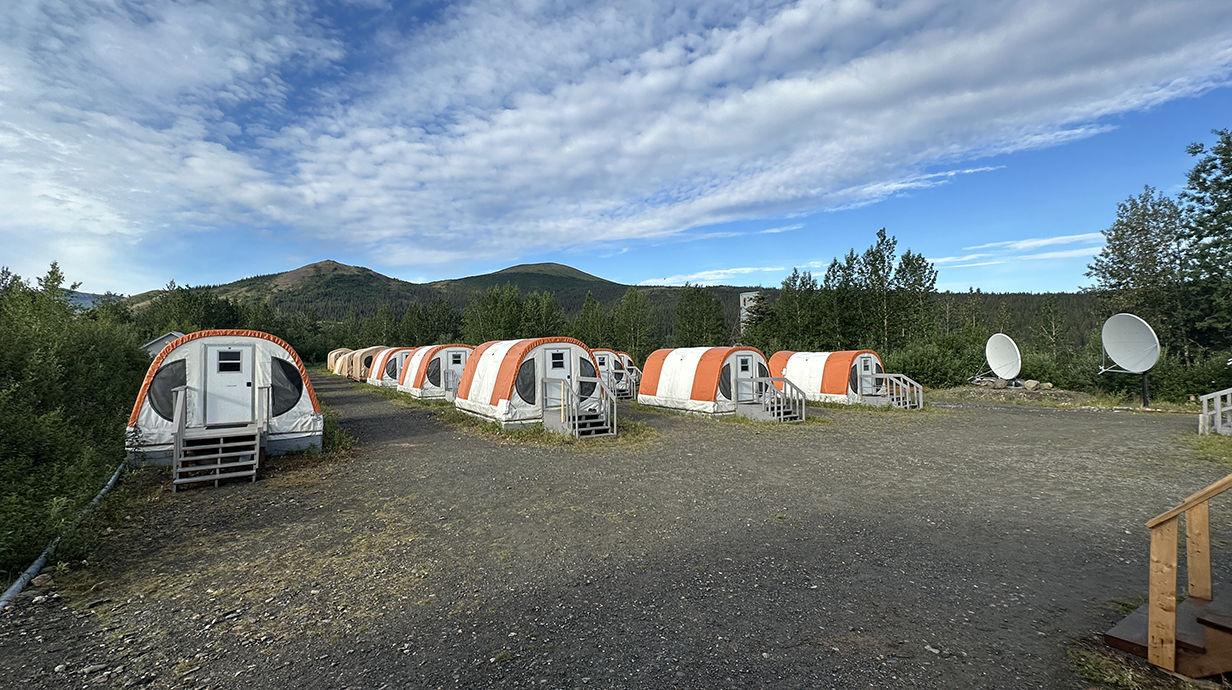
The blackout capabilities are important because the sun does not fall below the horizon for much of June and July inside the Arctic Circle.
"My first week in Alaska, I was in Anchorage at the peak of it being light outside, and it tripped me out going to bed at 11:30 p.m. at night with the sun still shining bright," Gentile said. "I never felt tired from it being dark."
Gentile was prepared for the "midnight sun," but said she was not properly warned about how warm it gets in the Arctic Circle.
"Because it is so close to the sun, and the angle that the sun is coming in at, it just kind of cooks you," she said. "It was like 84 degrees at the highest.
"That's not Mississippi high, but at that elevation with all the gear we had on trying to not get bit by mosquitoes, we got really sweaty. I thought it was going to be cold, so I packed very poorly. Lesson learned for next time."
The experience helped clarify some of Gentile's career plans.
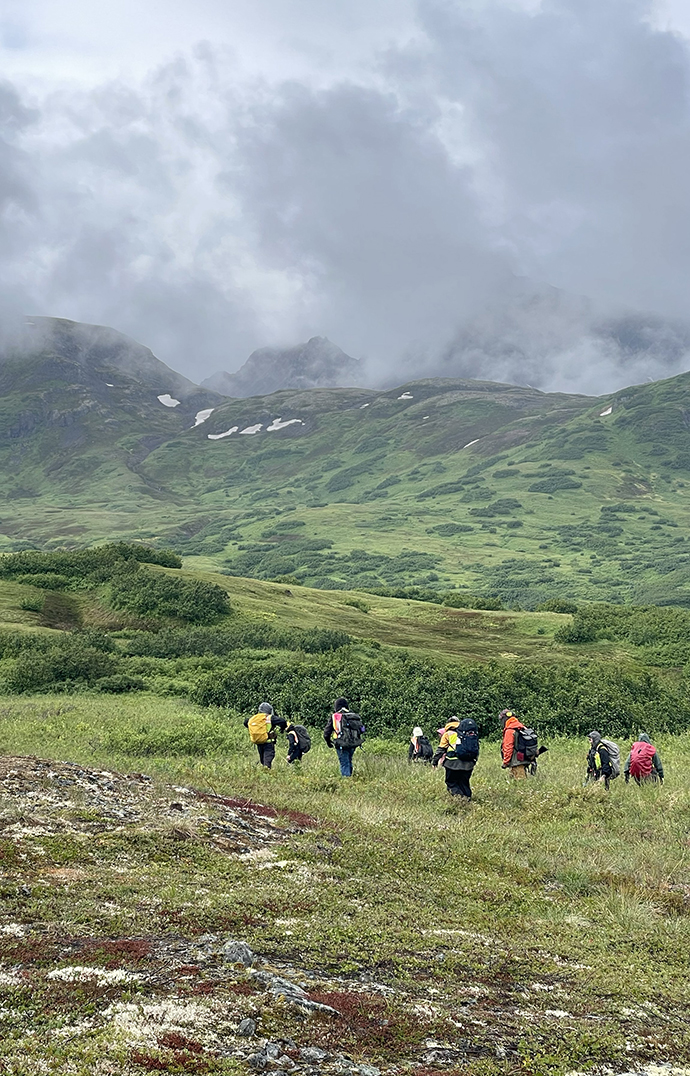
A survey crew hikes near the Brooks Range in northern Alaska. The crew was investigating the area for cultural resources to determine if the land is suitable for development. Submitted photo
"The opportunity to meet different people in the field and at the camp, it felt like I had found a group of people who felt the same way I did about archeology and being in the outdoors," she said. "Being up there felt like I had found a second home.
"I definitely plan on going to Alaska for at least part of my life."
The benefits reach beyond archaeology, Lynch said. Cultural resource management firms are often large businesses that need professionals with a wide range of business skills, and they also hire geographic information system specialists, geologists and biologists for field work.
Ideally, interested students would start with a cultural resource management course, which Ole Miss offers in the spring, and follow that with field work over the summer, he said. Lynch also expects career opportunities in the field to grow.
"We are in a time period of rapid expanding infrastructure development, with investments being made in energy, mining and other projects that require a review that we do," he said. "A lot of people think our job is to say no to development. But our job is actually to help infrastructure get built by passing federal requirements, while advocating for culture resources.
"I think it is important to give a voice to these otherwise sometimes historically neglected resources."
Top: Ole Miss archeology student Sonya Gentile (center) sifts through dirt to search for artifacts a site in northern Alaska while other members of her crew continue digging. Gentile spent her summer in the Arctic Circle to help the Northern Land Use Research Alaska LLC consulting firm conduct a cultural resource management assessment in a valley near the Brooks Range. Submitted photo
By
Cain Madden
Campus
Office, Department or Center
Published
October 15, 2026
School
Topics
Arctic Summer
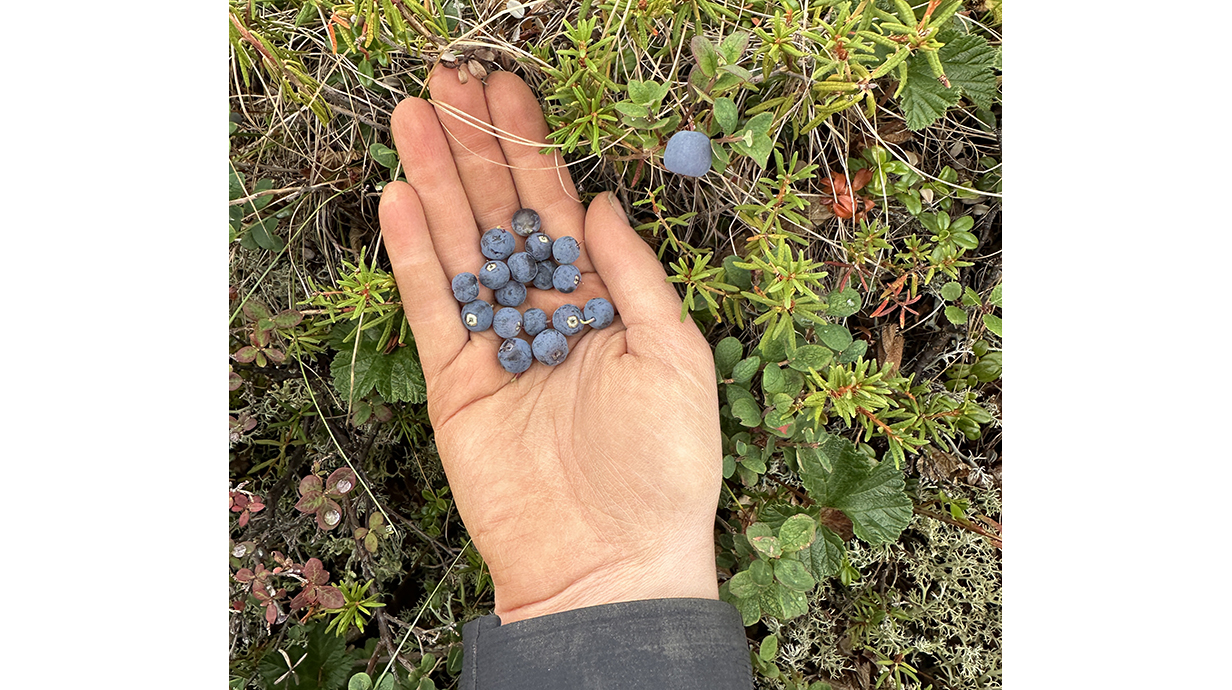
Sonya Gentile picks wild blueberries while waiting for her morning helicopter ride as part of her summer experience in Alaska. Submitted photo
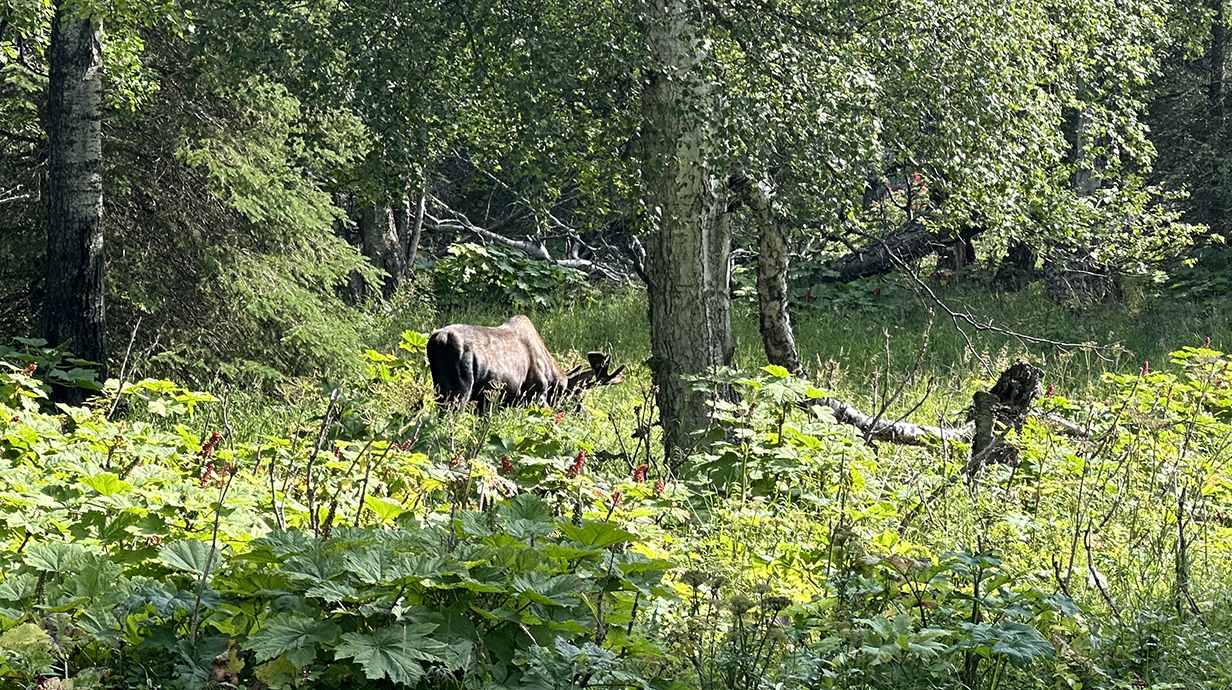
Sonya Gentile spotted this wild moose near Anchorage, Alaska. Submitted photo
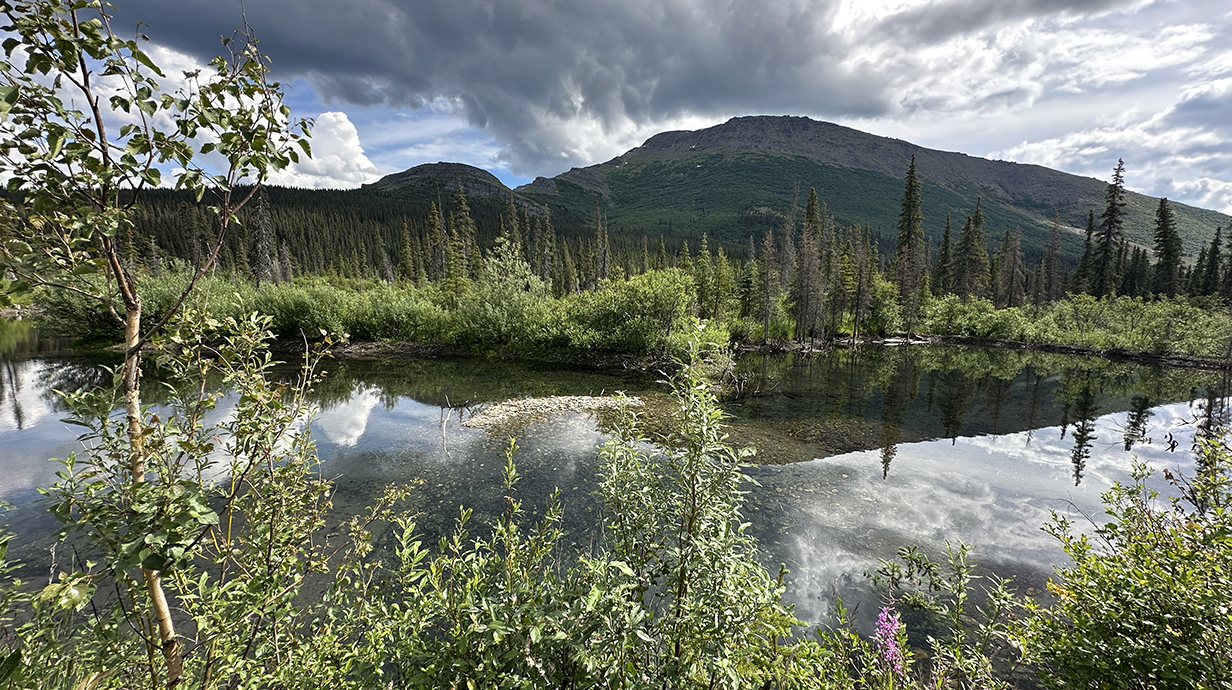
Sonya Gentile was impressed by the natural beauty of Alaska as she spent her summer doing field work in the Arctic Circle. Submitted photo