
Photography
Sustained by a close-knit culture of artistic curiosity and academic rigor, photography students learn the craft of image making through a dynamic curriculum combining hands-on fieldwork, interdisciplinary research, and collaborative, community-engaged coursework.
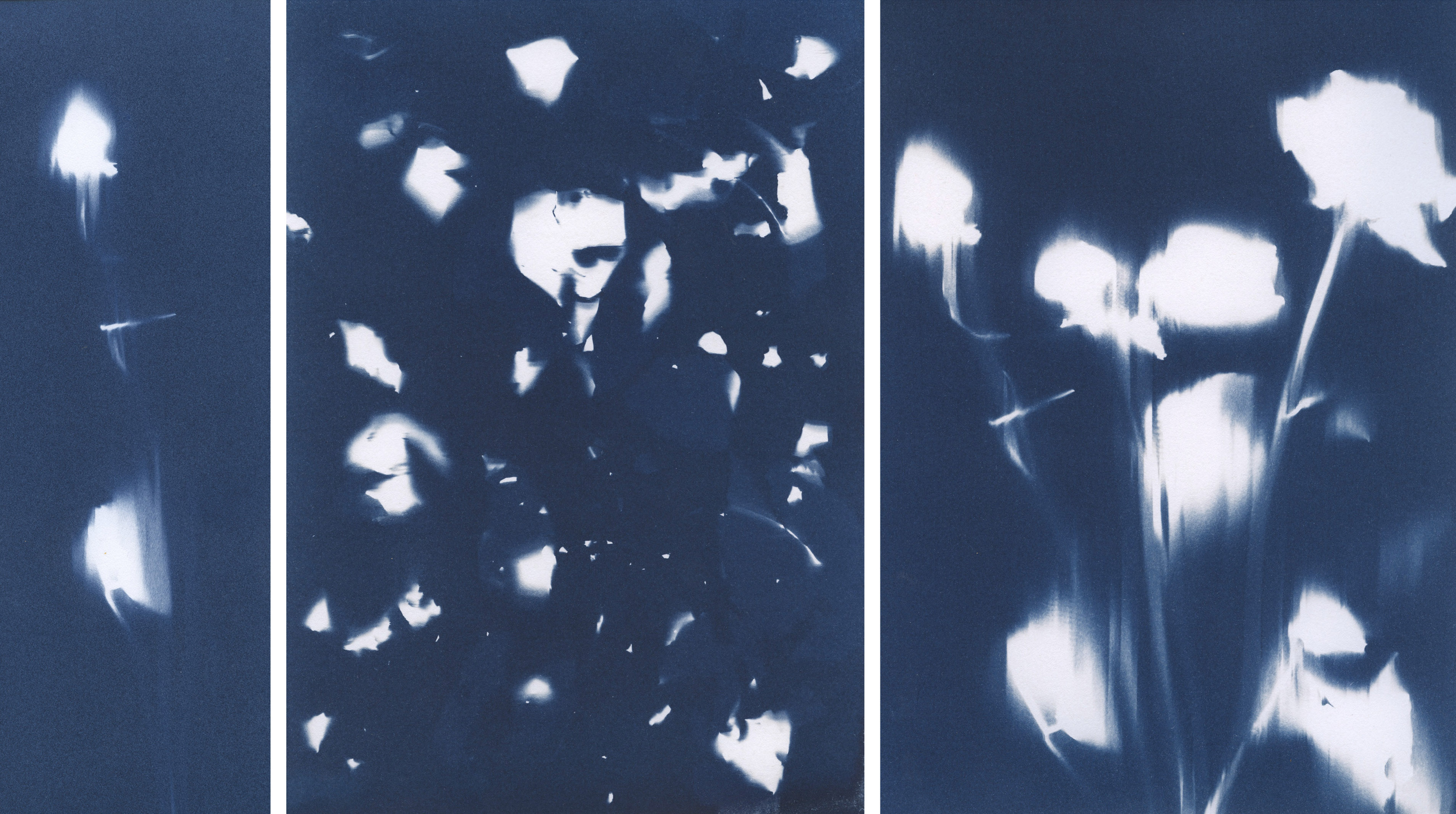
"Professors genuinely care about their students' success, well-being, and growth as an artist."
Haley Chiles
B.F.A. in Art (Photography)
Utilizing Photography to See the World in Creative Ways, Build Community, and Tell Meaningful Stories.
The photography program at the University of Mississippi is guided in our belief in photography’s critical role in contemporary culture. By analyzing and applying creative knowledge, developing effective communication skills, and cultivating critical reasoning and cultural empathy, photography students develop highly valued and adaptable social and vocational abilities to critically meet our moment.
Photography classes are rooted in the history and theory of photography and incorporate a range of techniques and approaches––from 19th-century historical and traditional darkroom processes to state-of-the-art digital technologies. Intimate class sizes and mentorship-based teaching provide individually-focused, one-on-one attention.
With principles of compassion, commonality, and community at the fore, the University of Mississippi photography program facilitates transformational experiences so students may enjoy enriched creative lives and make their mark as engaged citizens.
Our Photography Community
Check out the work our photography students are producing.
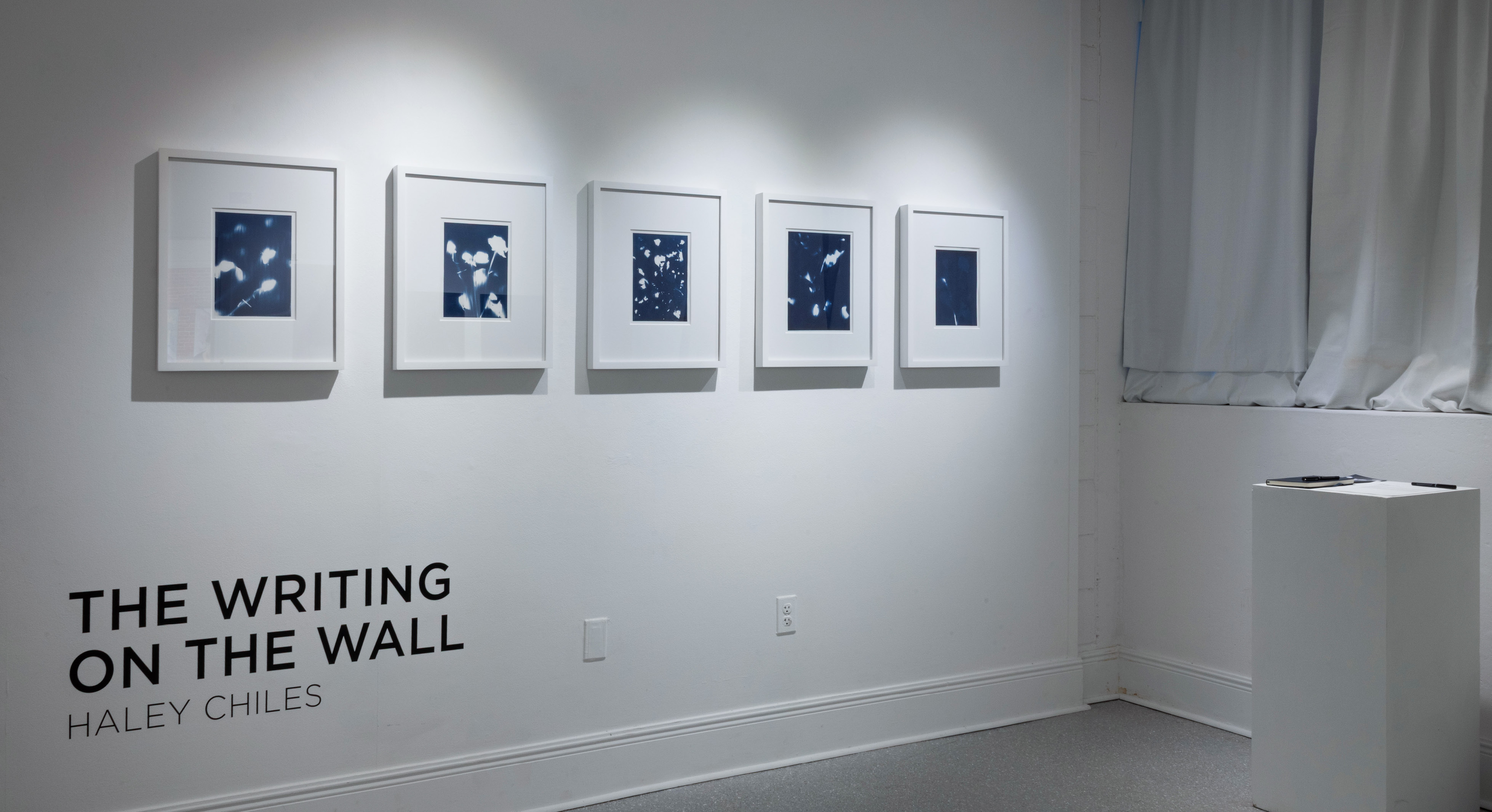
Haley Chiles, “The Writing on the Wall” | BFA Thesis Exhibition
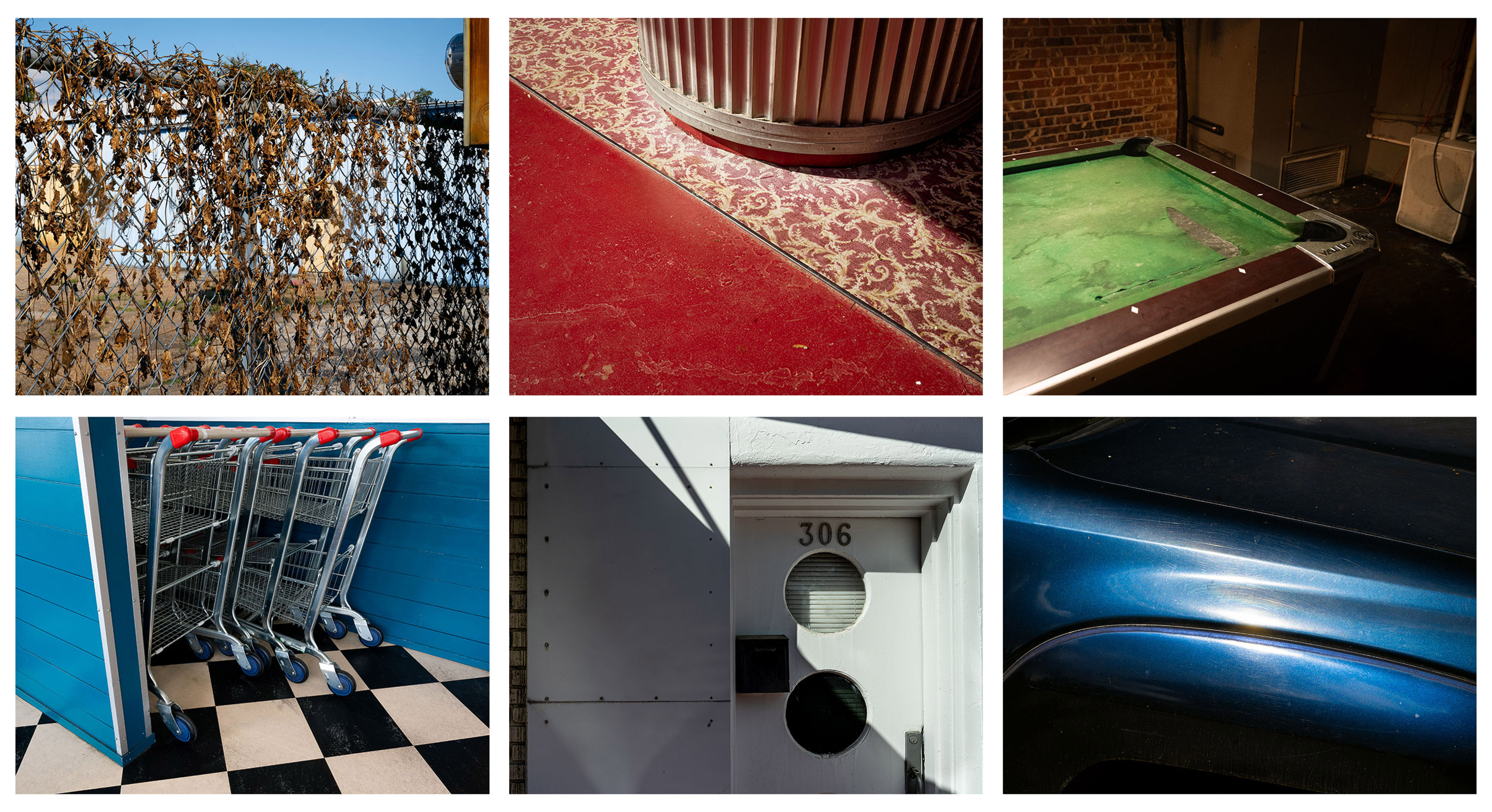
Olivia Cangelosi, archival pigment prints | ART 4830 Advanced Imaging Arts
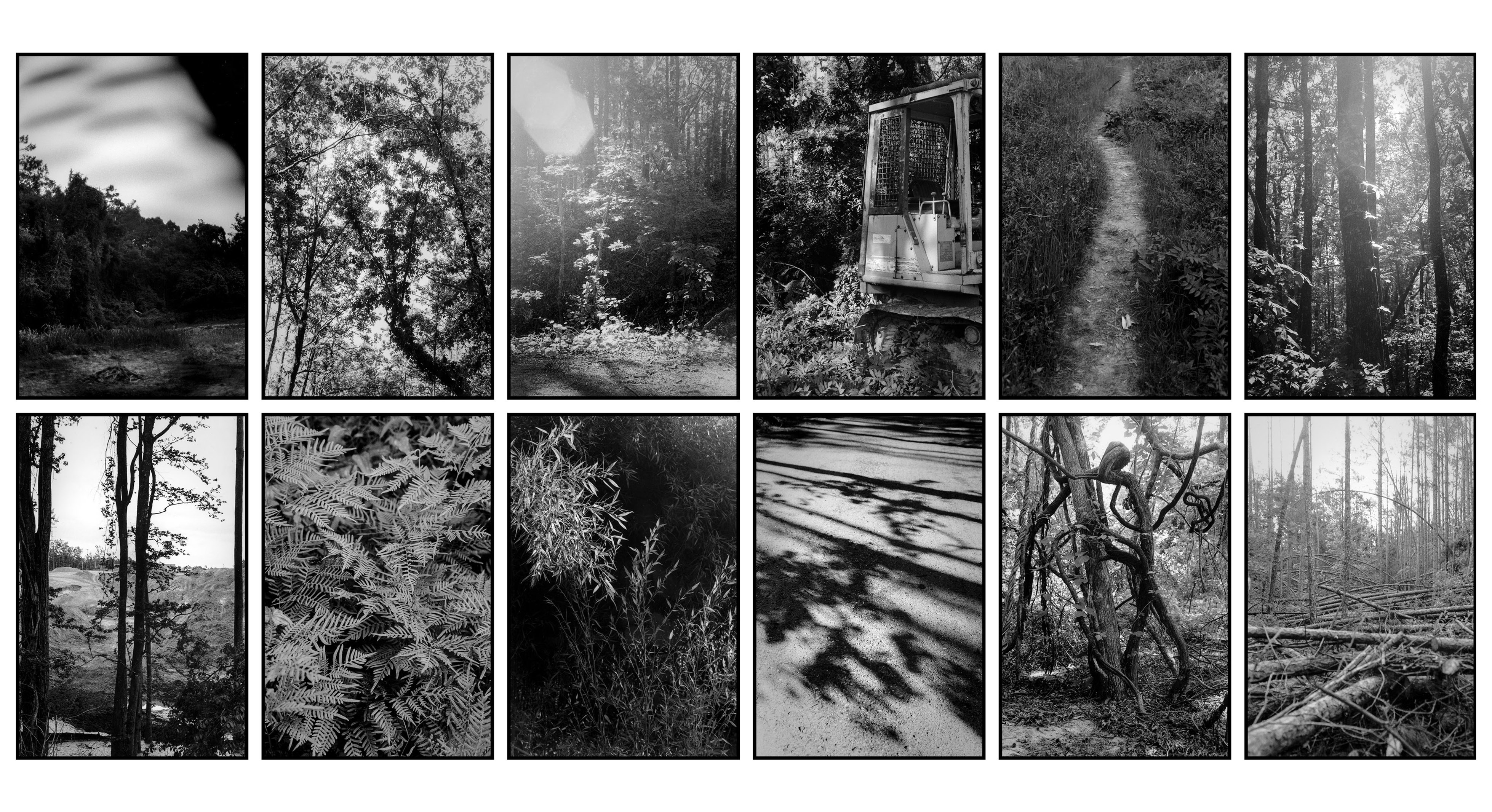
Ainsley Hardy, silver gelatin prints documenting the South Campus Rail Trail | ART 3820 Intermediate Photography
Welcome from Our Studio Head
As a former White House and National Geographic Photo Editor, I am daily reminded of the power of photography to bear witness, connect community, and advocate for change. As emergent technologies and social media saturates us with images and challenges our very understanding of reality, artists have the great opportunity—and responsibility—to critically engage with visual culture. It is within these contemporary contexts that the photography program at The University of Mississippi offers dynamic courses that actively bridge theory to “real world” practice so that students can thoughtfully and creatively apply their individual perspectives to the broader intellectual, aesthetic, and practical concerns of our moment.
From introductory to advanced classes students build a firm foundation in current and historical methodologies that is supported by access to facilities outfitted with up-to-date, professional equipment. Our study of photography incorporates literature, poetry, science, history, and journalism with immersive fieldwork and community-based research, and students are connected to contemporary practitioners through a variety of lectures and presentations, visiting artist programs, workshops, films, and photobooks. With a classroom community committed to empathy, care, and respect, students learn to take risks, develop their voice, and recognize the power of photography to document, reveal, and make change.
If you have any questions about our program, please send an email so we can schedule a time to talk about how you can find your place in our photographic community.
Jared Ragland
Instructional Assistant Professor of Imaging Arts
Featured Courses
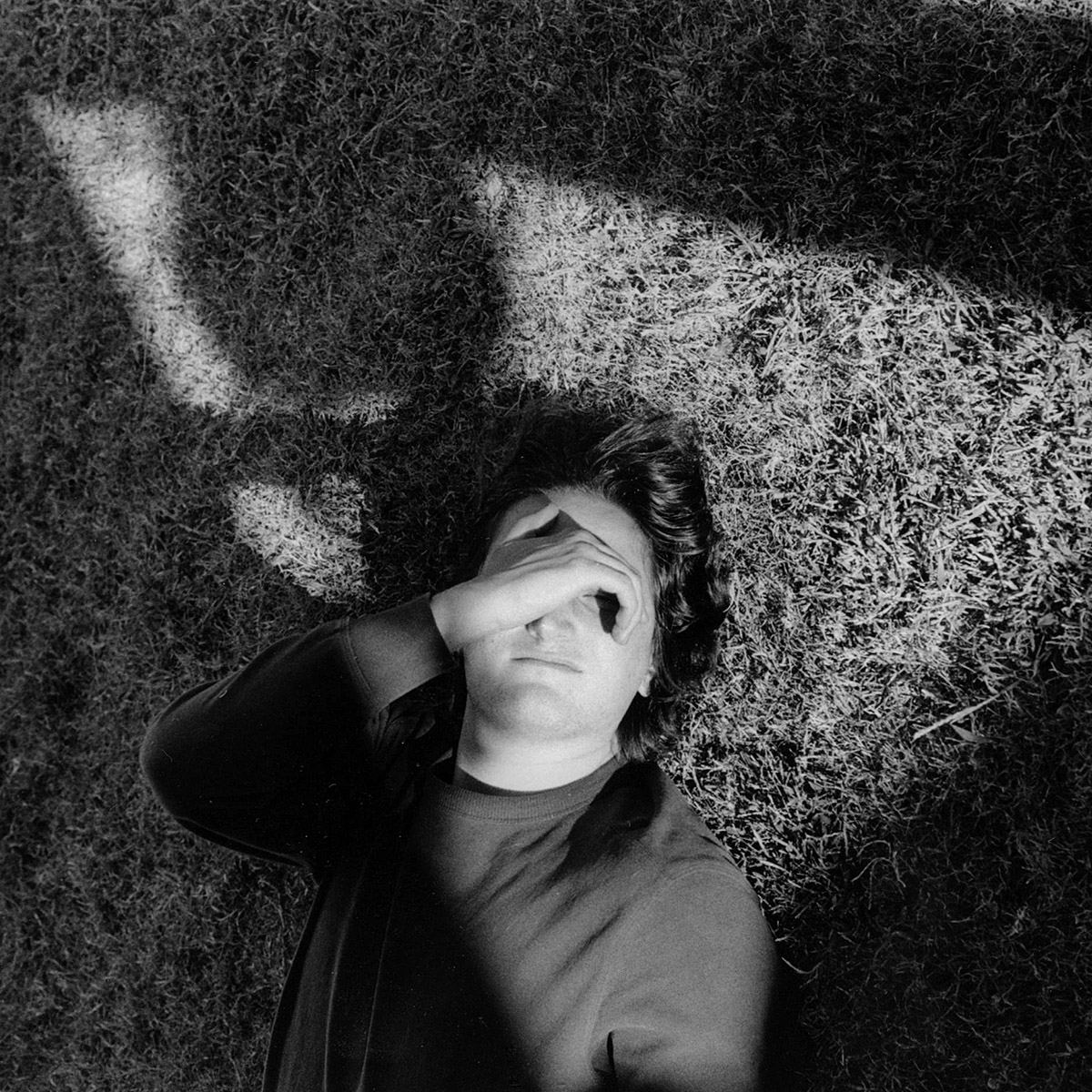
Art 381: Introduction to Photography
Students learn photographic fundamentals and camera techniques applied to basic black-and-white photography. The course emphasizes developing concepts, processes, and techniques of black-and-white film photography, including camera operation, exposure, darkroom procedures, and lighting.
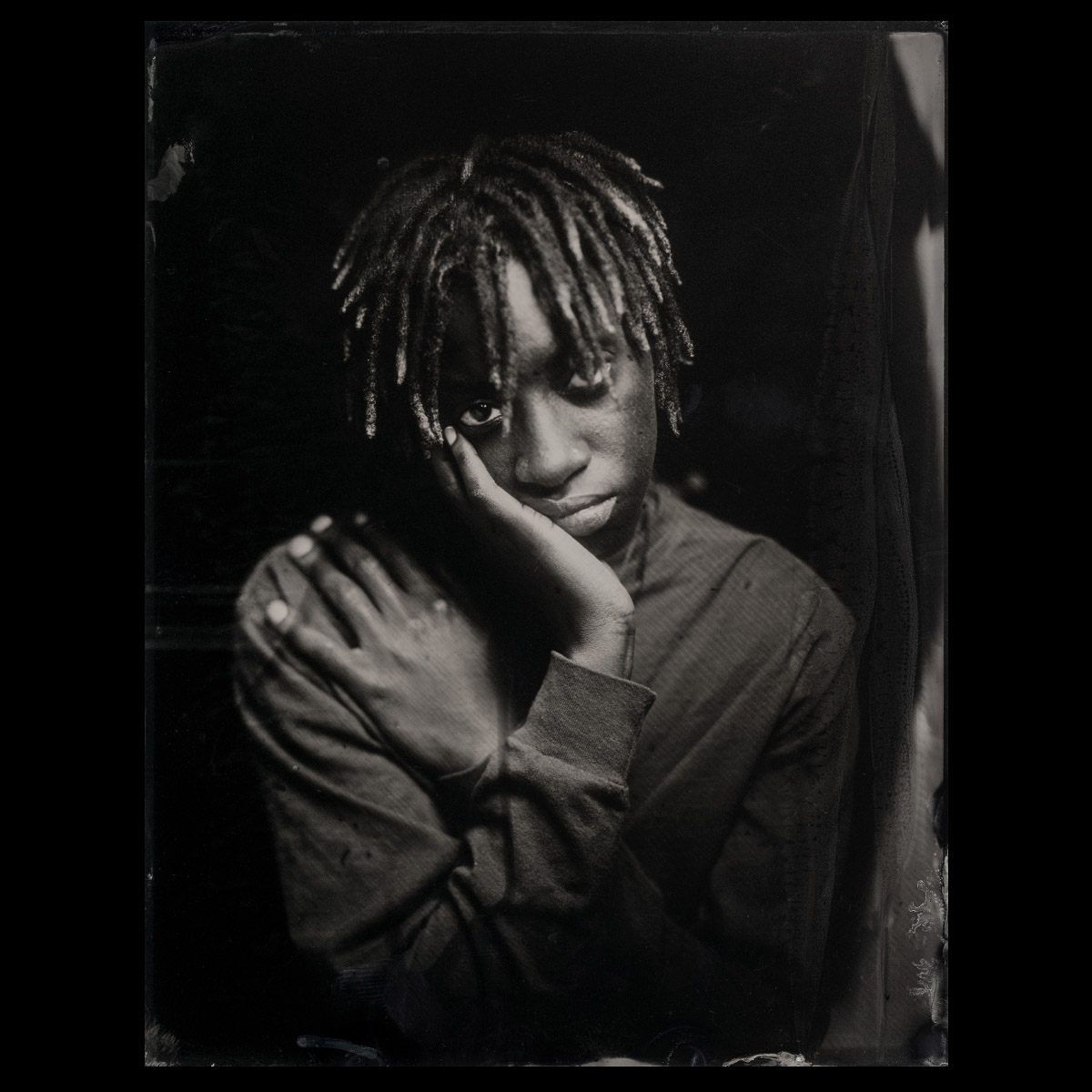
Art 385: Intro Alternative Photographic Processes
Alternative photographic processes explores image making through various non-traditional and historical methods in combination with contemporary digital technologies.
Our Photography Facilities
Comprised of several studios across more than 2800 square feet, the photography facilities in Kinard Hall provide students access to exceptional learning spaces including a traditional darkroom, alt-process darkroom and exposure room, film loading and developing areas, a digital lab, finishing studio, and classroom/critique space. Our inventory of digital and film equipment allows students unique hands-on experiences with a range of camera formats. We regularly consult with industry professionals to stay up to date on latest technologies and production standards so students are prepared for work immediately upon graduation.
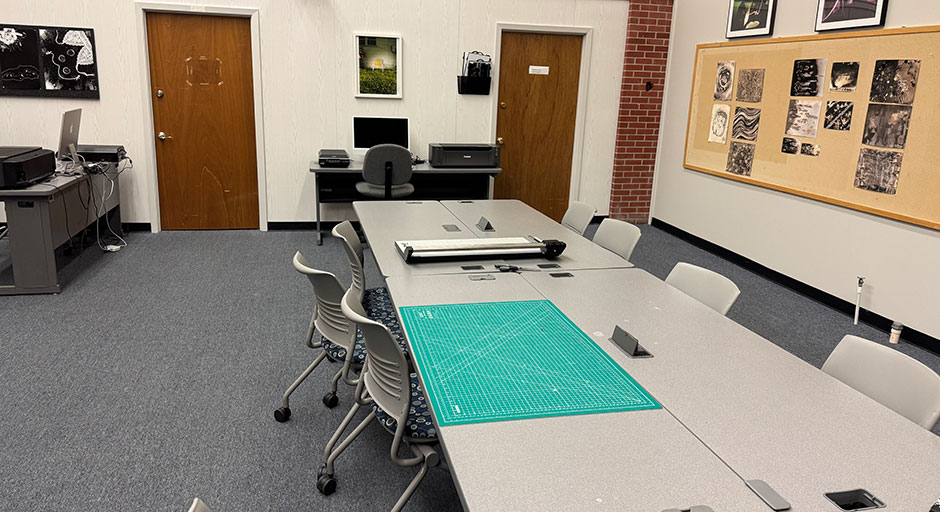
Main classroom where lectures and critiques are held.
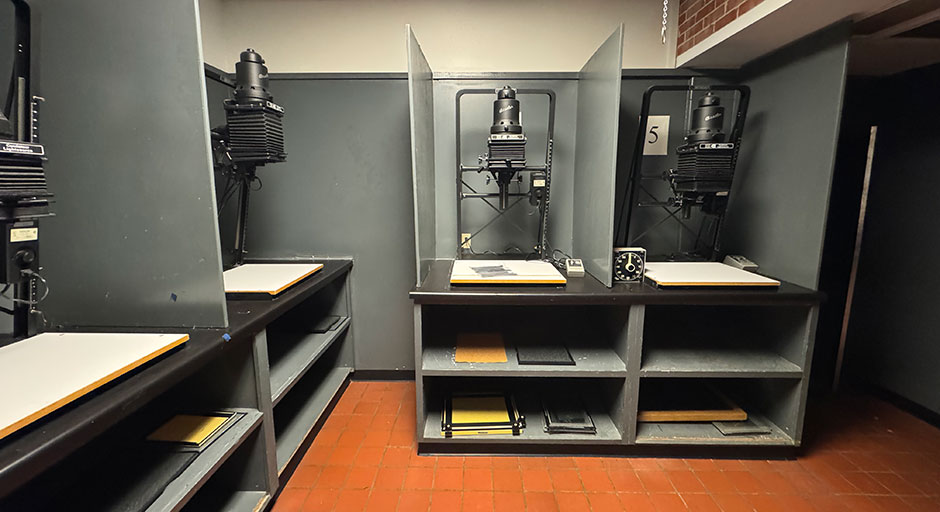
Darkroom with film enlargers
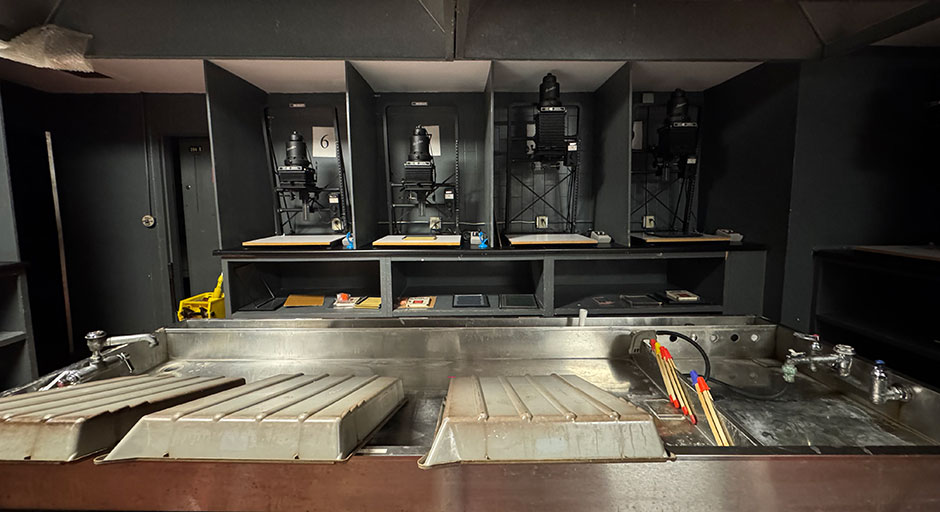
Darkroom with print developing sinks and enlargers
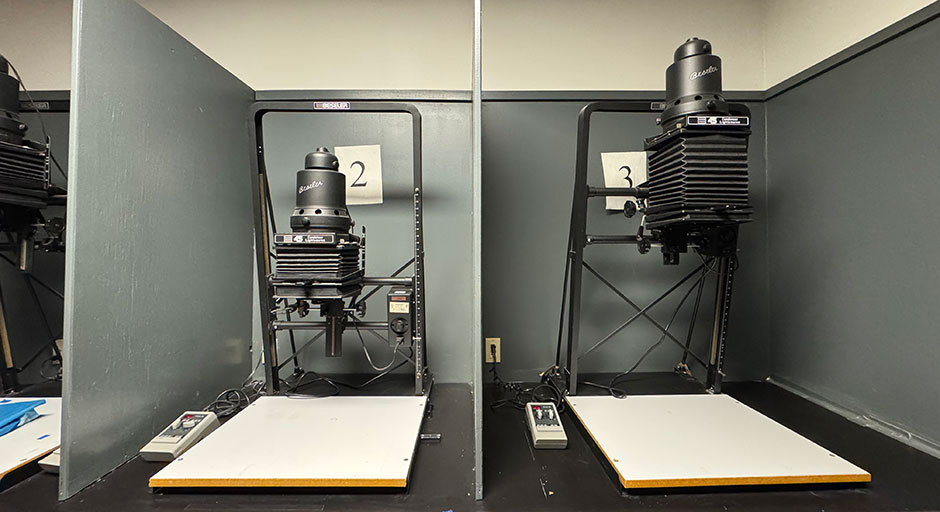
Film enlargers for making darkroom prints
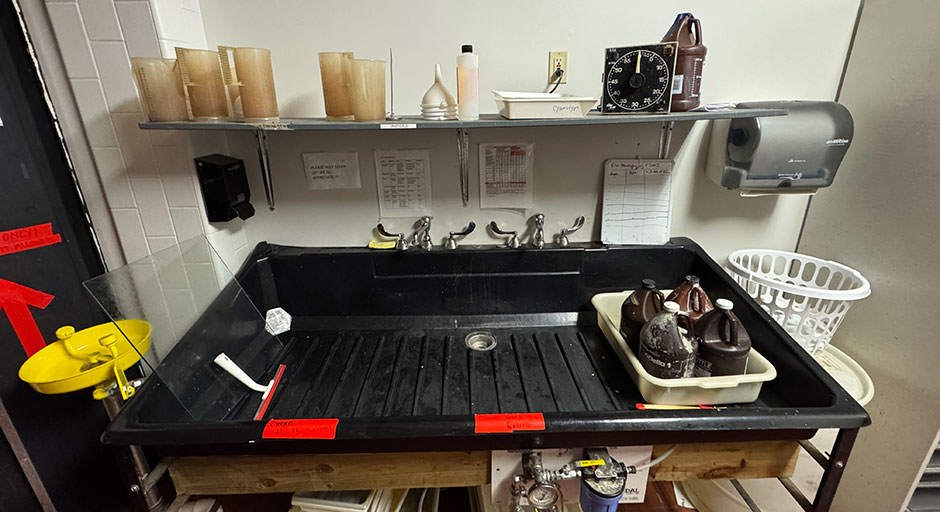
Film development sinks
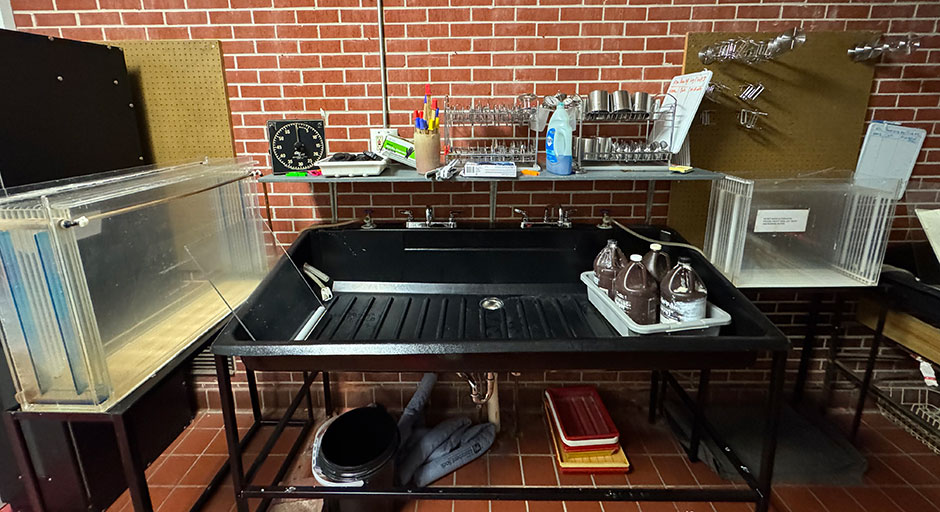
Film development sinks, print washers, and a film dryer
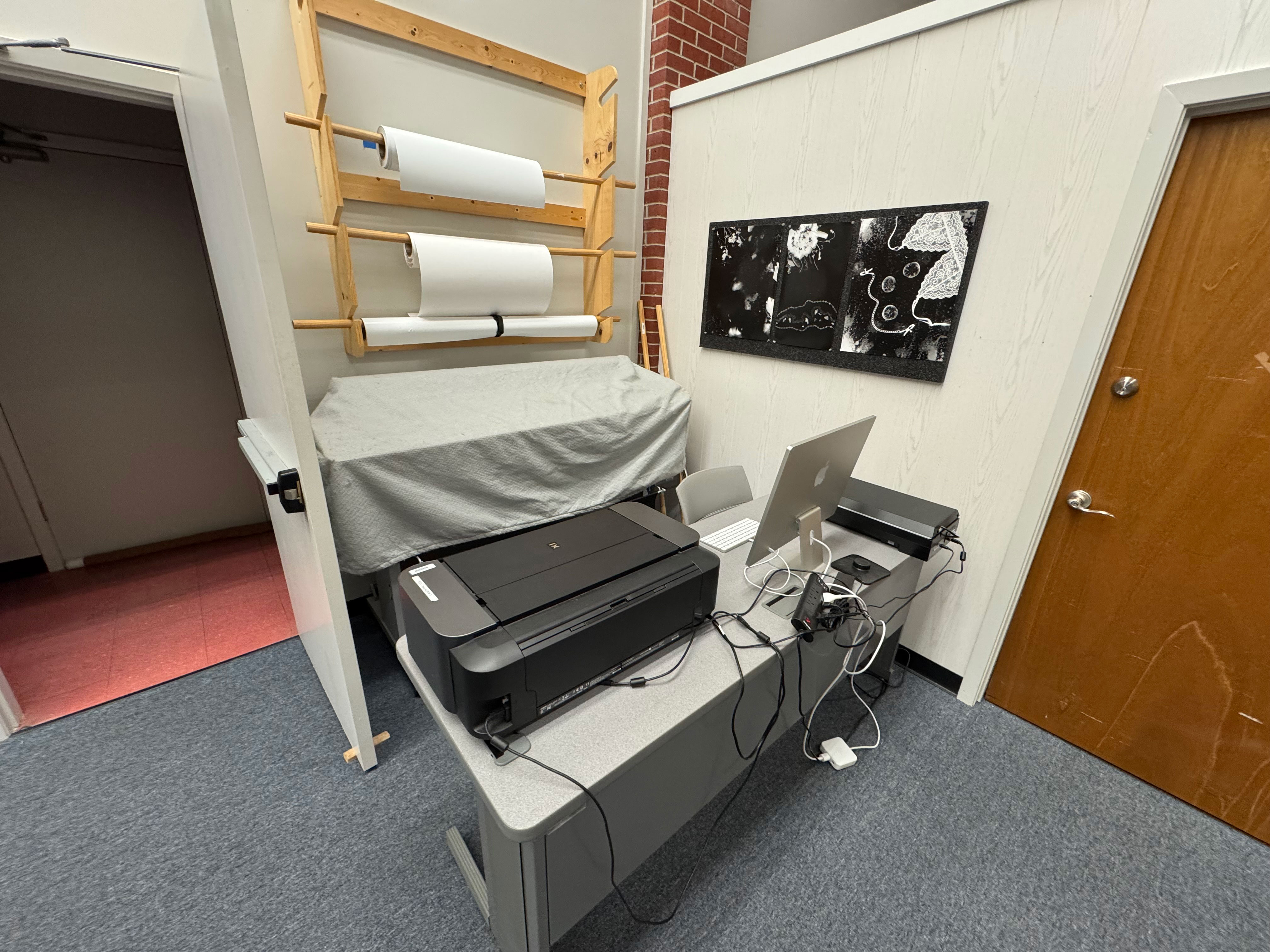
Mac computers, scanners, small and large format printers
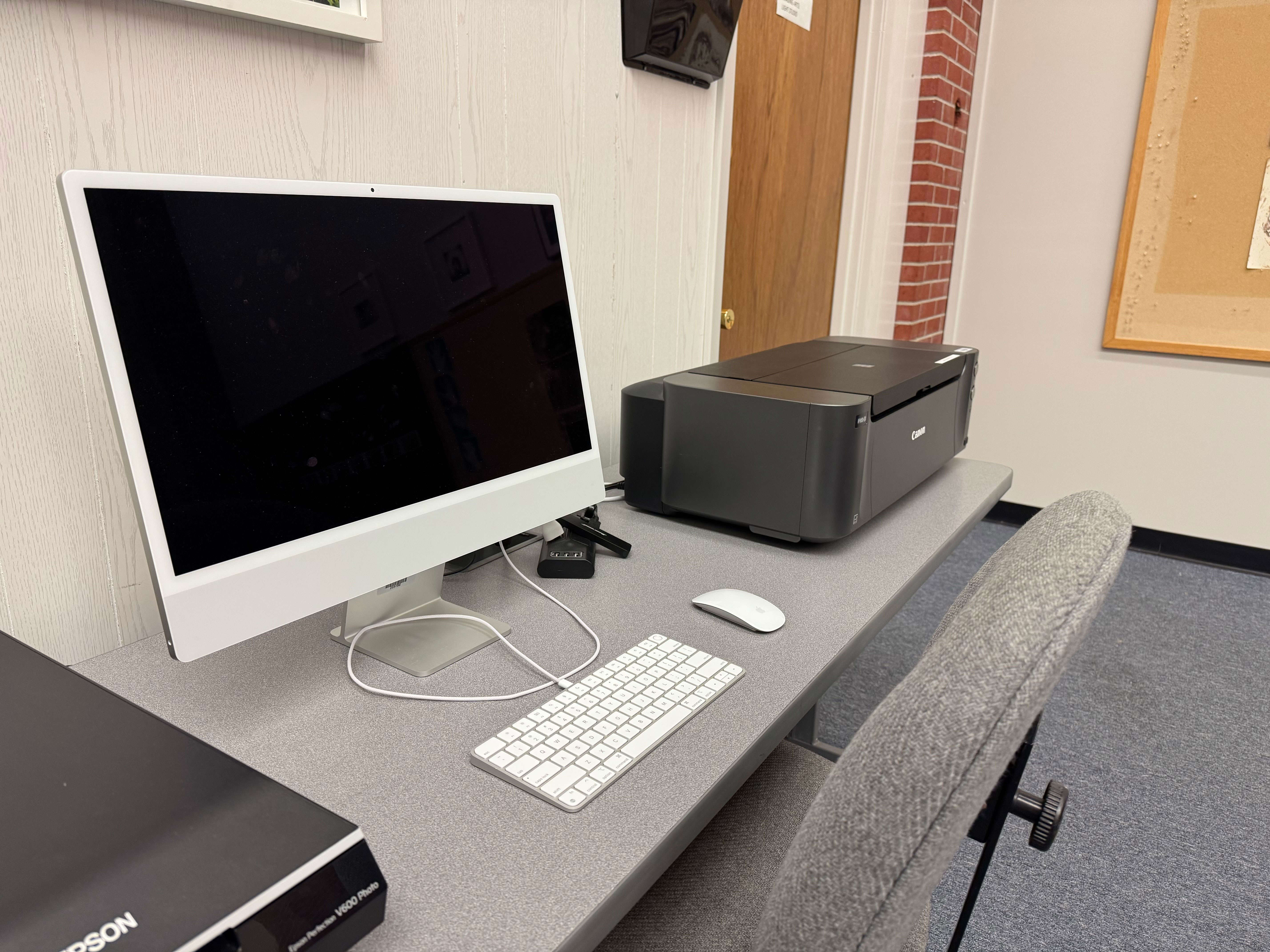
Mac computer and digital printer
Photography Studio Equipment
Photography is housed in two buildings, Kinard Hall and Meek Hall. All Black and White film and alternative process classes take place in Kinard Hall. All digitally based Imaging Arts studios, digital photography and digital video, classes are taught in Meek Hall in the Imaging Arts lab.
- Black and white darkroom with 14, 45MXT Besseler enlargers
- Alternative process darkroom
- Individual film loading/processing darkroom
- Two large format UV light sources
- Wet-plate collodion mobile darkroom
- iMac computers with 27” BenQ PhotoVue Monitors
- Adobe Creative Suite, PhotoMechanic, and Mirage imaging software
- Epson SureColor P7570 wide-format printer
- Epson V850 and V750 scanners
- Professional print trimmers and mat cutters
- GTI daylight balanced proofer
- Dry mount press
- Archival framing supplies
- Flat file storage
- Fuji GFX 50s medium format digital camera system
- Sony A series mirrorless camera systems
- Canon R series digital mirrorless camera system
- Toyo 45A II and Intrepid large format 4x5 field cameras
- Mamiya and Fuji medium format film cameras
- Nikon, Canon, and Minolta 35mm camera systems
- Tripods
- Light meters
Beyond the Classroom
Learning art is more than what’s learned in the traditional studio courses. Our courses are complemented with demonstrations, lectures, and critiques from faculty and visiting artists. Students can also join in the activities of the printmaking student organization, interact with visiting artists, volunteer with the UM Museum, take trips, and intern with a relevant site.
The mission of Pixel Press is to cultivate community amongst students interested in printmaking and photography and promote the Department of Art + Art History across campus. Through organized events and workshops, Pixel Press aims to provide students with a broad range of experiences in both mediums. The club provides a platform for students to make, display and sell their work, engage in collaborative activities with each other and the broader campus and community, bring in visiting artists, and participate in field trips to relevant museums and conferences. Anyone is welcome to join!
In addition to the artists who visit campus through The Print Rebellion, the department also has an established visiting artist program – Art Talks. This program creates access to artists in person and via webcam, and helps students and faculty to keep pace with critical thought, contemporary artistic practice, and emerging technology used in cultural production today.
The list of visiting printmaking & imaging arts artists includes:
- Jaime Aelavanthara, Assistant Professor, University of Tampa
- Michael Barnes, Professor, Northern Illinois University
- Chris Fritton (the Itinerant Printer), a poet, printer, and fine artist
- Kathryn Hunter, fine artist in South Louisiana.
- Anne Massoni, Dean of Education, International Center of Photography, New York, New York
- Jim Ramer, Director of Graduate Studies at Parsons the New School for Design in New York City
- Sean StarWars, Artist in Residence, Eton College, Eton, UK
Our museum has recently in the past years have been named to EDsmart’s list of “51 Most Astounding University Museums”, with a recent ranking of 17—one spot ahead of Princeton University. Many art students intern or volunteer with the UM Museum where they might work with art education programs or curate an exhibit.
In the museum, you can study the David M. Robinson Collection of Greek and Roman Antiquities, one of the finest collections in the United States. Covering the 1000-year period from 800 B.C. to around A.D. 300, the collection contains Greek and Roman sculpture, Greek decorated pottery, inscriptions, architectural fragments, inscribed Sumerian clay tablets, small artifacts in terracotta and bronze, and Roman copies of Greek art works.
Students and faculty work together to identify relevant residencies or internships to provide valuable work experience, professional networks, further application of skills learned at the university, and a stronger resume. For those planning different career paths, the UM Office of Outreach’s formal Internship Experience program also assists students with internship placements in any career area of interest in Atlanta, New York City, and Washington D.C.
Art majors have exciting opportunities to experience the art and architecture abroad. They can arrange their own study abroad experience through the Office of Study Abroad. Or, they can travel with UM faculty.
One possibility is the course titled Art on Location, where UM faculty can take a course of students to different locations around the US and abroad. For example, in the 2-week 2019 Winter Intersession, art historian Dr. Louise Arrizoli teamed up with a French professor to offer a study of art in Paris, France.