Pedagogical Innovation in STEM
Discover how innovative teaching methods are shaping STEM education at Ole Miss.
Our Research Fields
Integrated Science
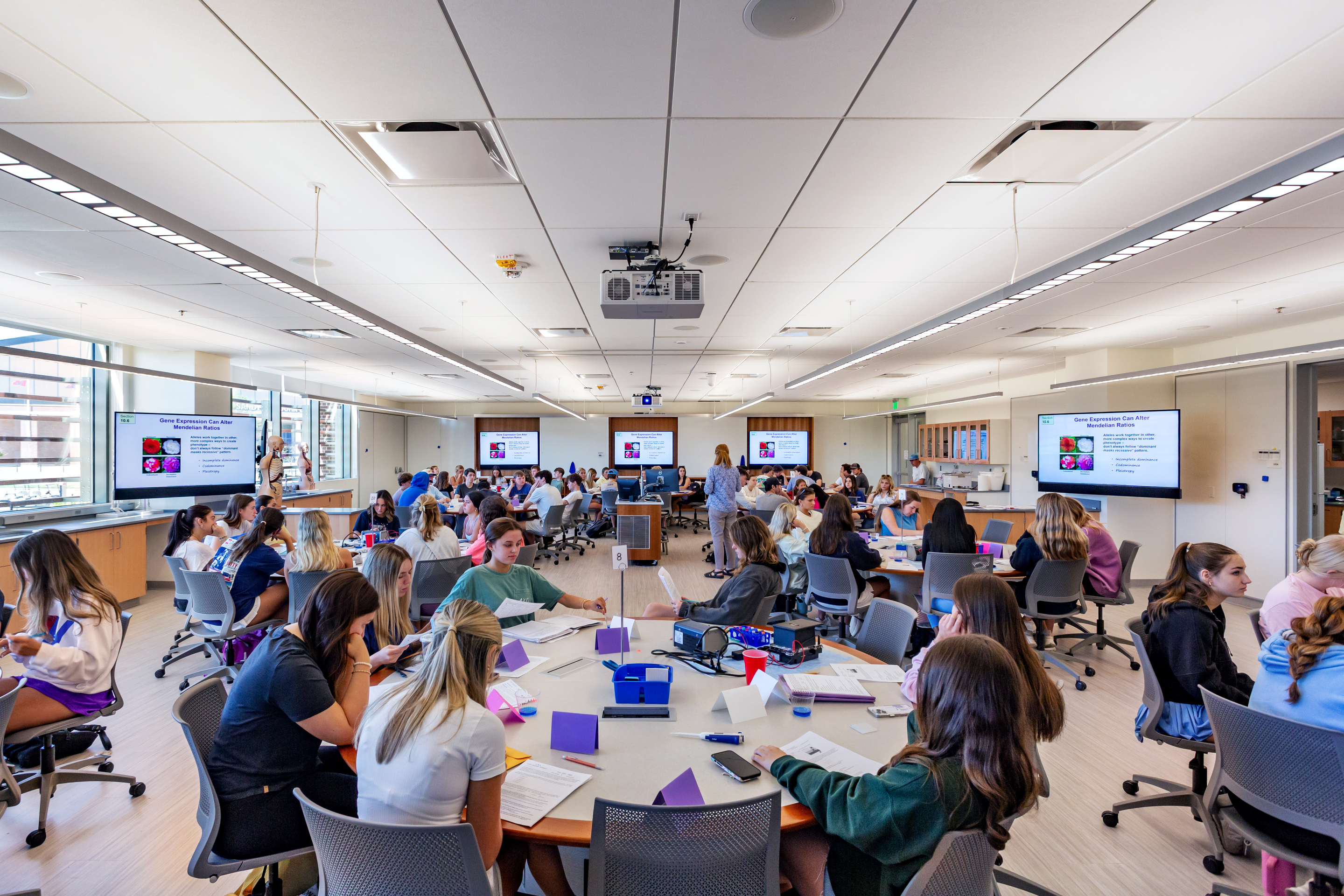
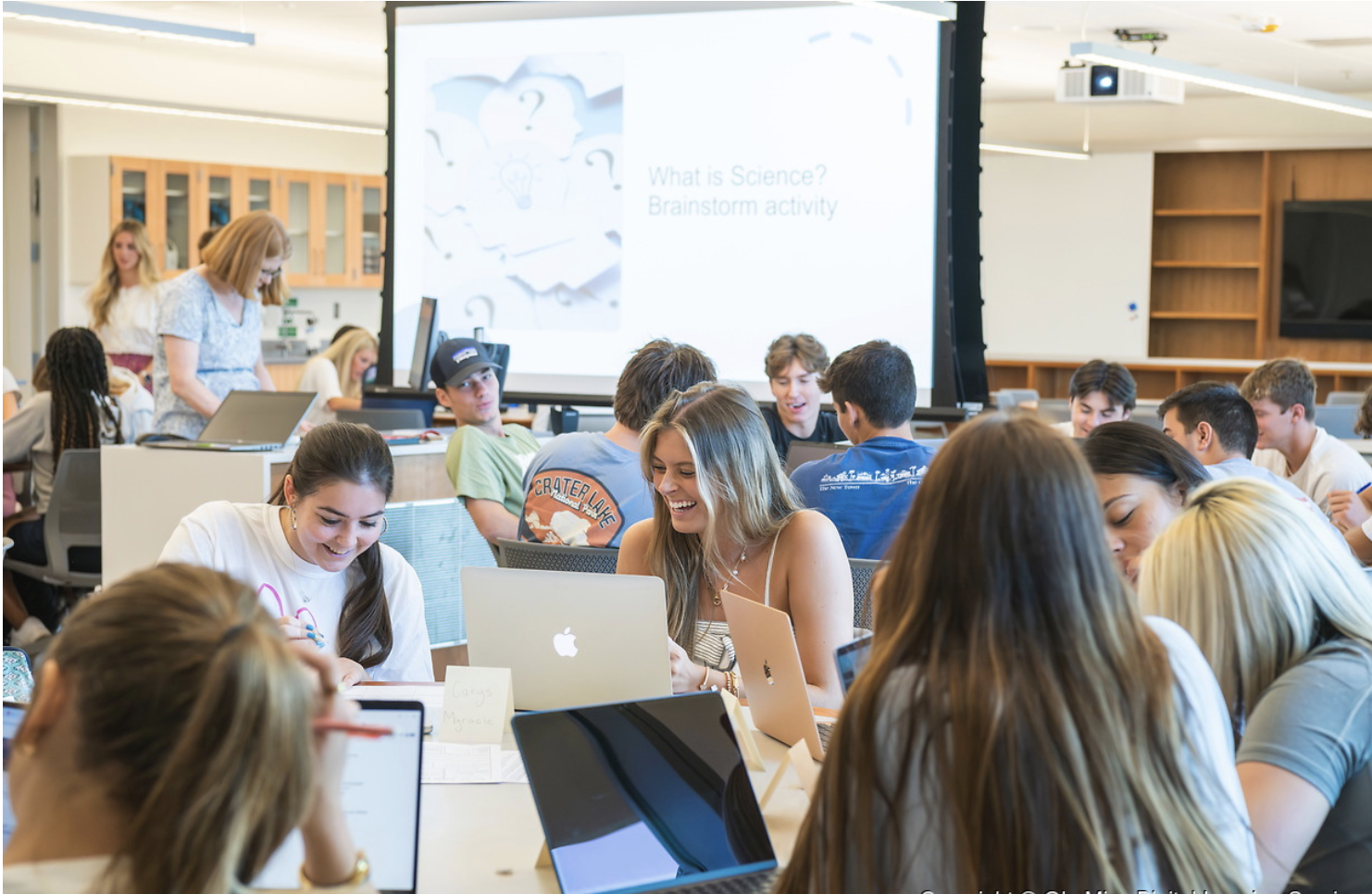
In our LIBA classes, we use integrated learning approaches that combine multiple scientific disciplines. These methods encourage students to generate ideas, think critically, and develop a deeper understanding of complex problems.
Biology
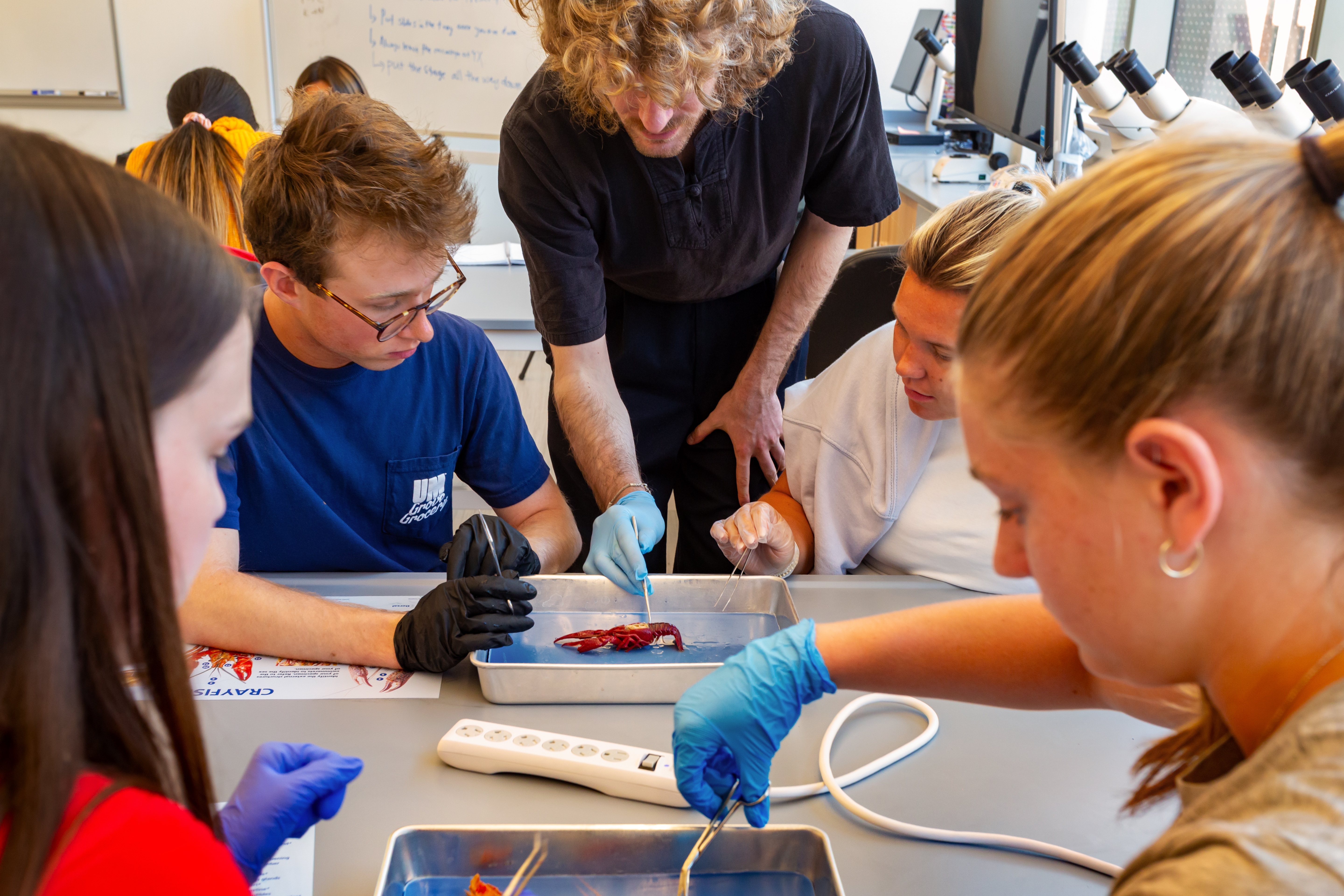
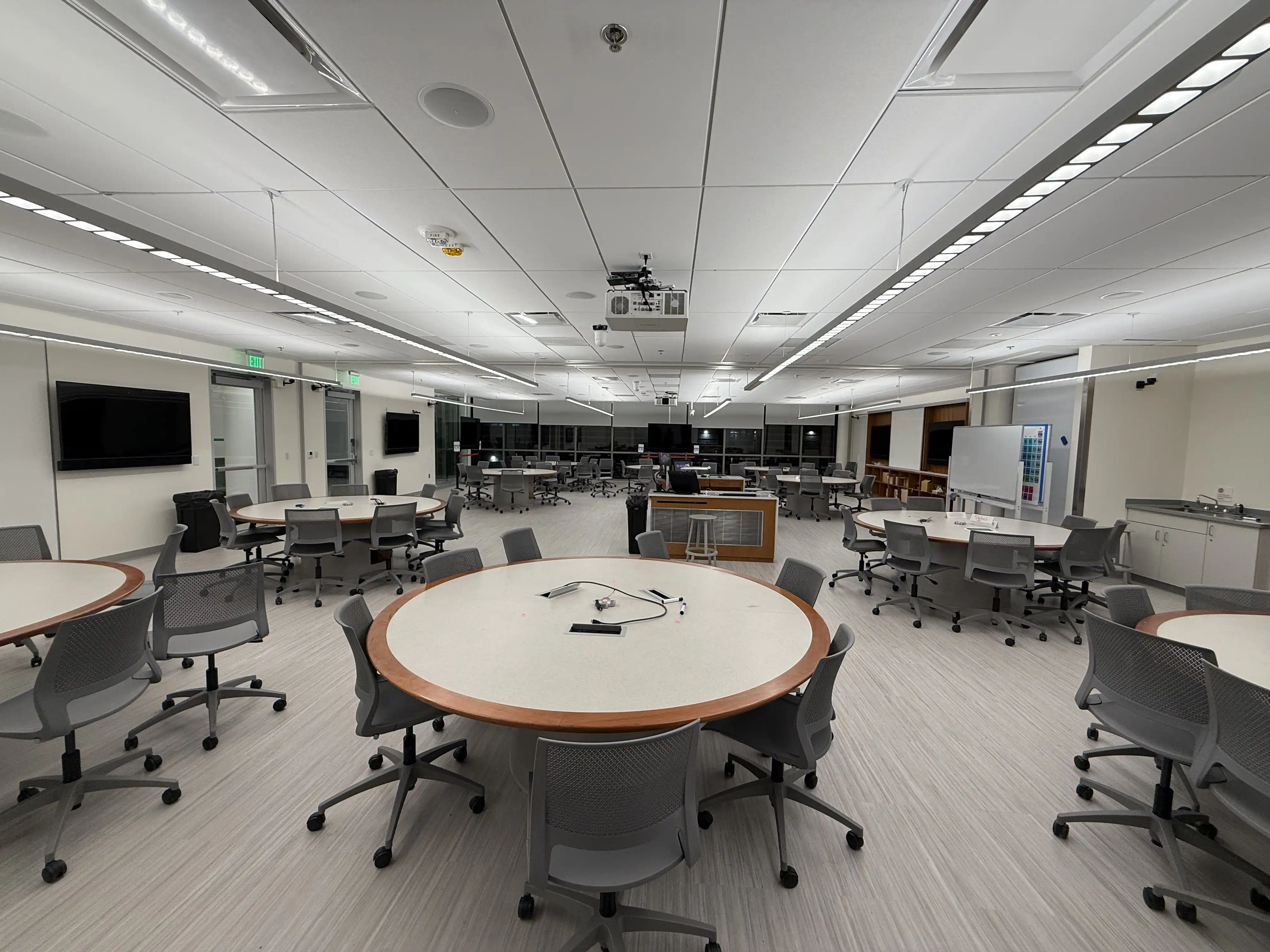
The Department of Biology has changed the way students explore the scientific process and how it is used to understand living systems and the natural environment. Students examine topics such as evolution, biodiversity and the impact of human activity on ecosystems. Through a combination of lectures, laboratory work, and interactive learning, students develop a deeper understanding of biological concepts and their real-world applications.
Looking Ahead
As the initiative continues to grow, additional courses will incorporate integrated laboratory experiences and innovative teaching approaches.
Future developments aim to bring similar learning models to other STEM disciplines, including Chemistry and Physics, creating more opportunities for students to engage in hands-on, interdisciplinary learning.
Our Strategies
Pedagogical innovation in STEM focuses on improving how students learn complex scientific and technical concepts. Faculty at Ole Miss experiment with new teaching strategies such as:
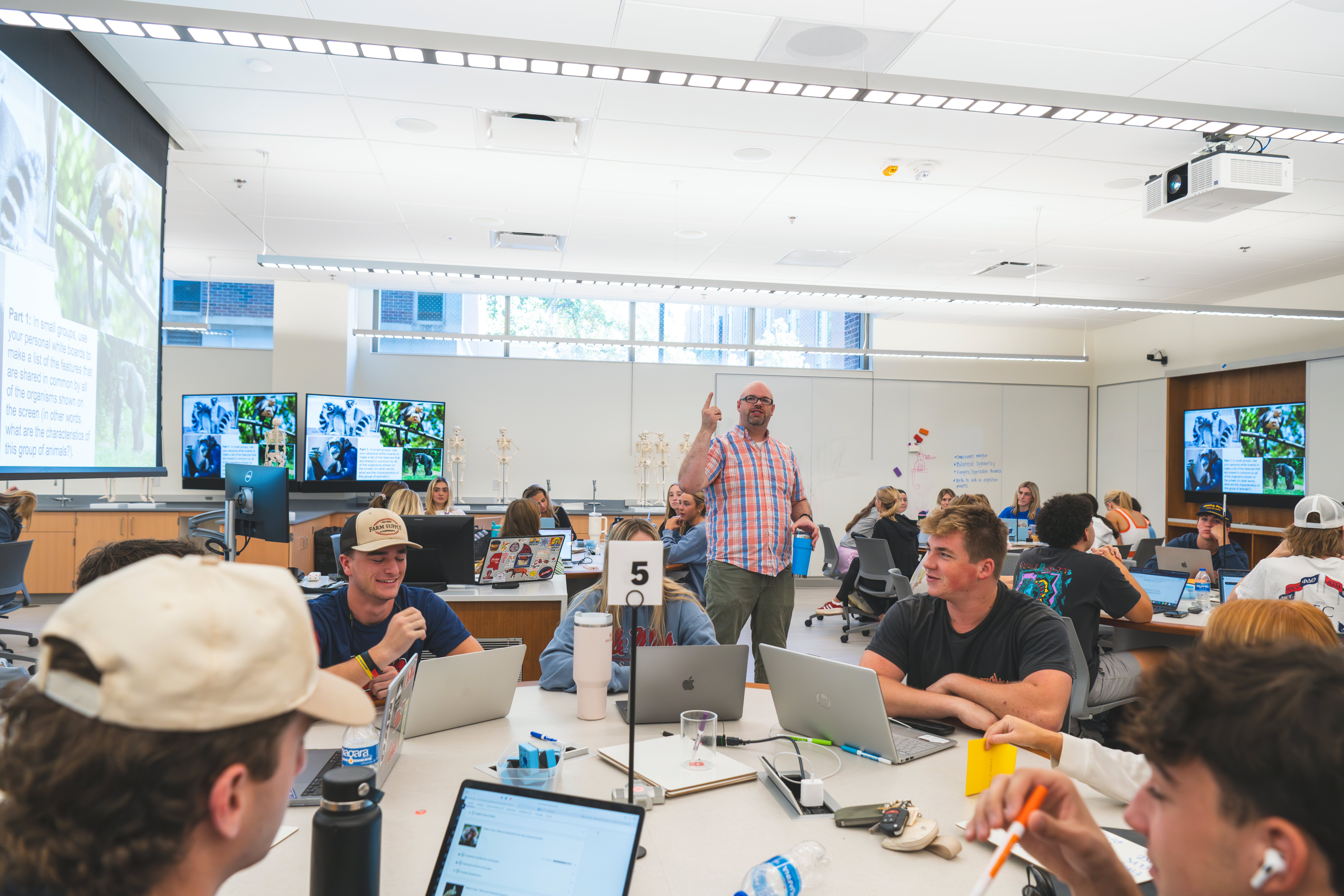
Active learning encourages students to participate directly in the learning process rather than passively listening to lectures. Through discussions, group activities, and problem-solving exercises, students engage more deeply with complex STEM concepts.
Problem-based learning challenges students to solve real-world scientific and technical problems. By working through complex scenarios, students develop analytical thinking and learn how to apply STEM knowledge in practical situations.
AI-assisted instruction integrates modern artificial intelligence tools to support learning and data analysis. These tools help students explore complex datasets, simulate scientific processes, and gain deeper insights into STEM topics.
Virtual laboratories allow students to perform experiments in a simulated digital environment. This approach provides interactive learning opportunities while expanding access to experiments that may otherwise require specialized equipment.
Interdisciplinary collaboration brings together ideas from multiple STEM fields to solve complex challenges. By working across disciplines, students gain broader perspectives and develop innovative approaches to scientific problems.
Inside the Modern STEM Classroom
A Message from our Course Coordinator for Integrated Sciences
At the University of Mississippi, our Integrated Science program is dedicated to helping students understand how scientific ideas connect across disciplines and apply to real-world challenges. Through innovative teaching approaches, we encourage students to explore the scientific process, think critically, and develop the problem-solving skills needed in today’s rapidly evolving world.
James Durham
Assistant Director of Instruction
Featured Courses
-
Liba 150: Integrated Science I
This is an interdisciplinary survey course covering general scientific principles and concepts for non-science majors. Topics covered focus on physical sciences, with emphasis on the practical importance of concepts and with a description of important historical aspects.
Liba 150 -
Liba 151: Integrated Science II
This is an interdisciplinary survey course covering general scientific principles and concepts for non-science majors. Topics covered focus on the earth, chemical and biological sciences, with emphasis on the practical importance of concepts and with a description of important historical aspects.
Liba 151 -
Bisc 110: Human Biology: An Integrated Exploration
In this integrated lecture and laboratory course, students will explore the scientific process and its application to the study of the human body, including cellular concepts, organ systems, homeostasis, and inheritance. The course format provides a unique learning experience that develops critical thinking skills students can apply to real world problems related to human biology.
Bisc 110 -
Bisc 111: The Environment: Integrated Exploration
In this integrated lecture and laboratory course, students will explore the scientific process and its application to the study of the environment, including principles of evolution, the origin and diversity of life, ecological relationships in the natural world, and the impact of humans on the environment. The course format provides a unique learning experience that develops critical thinking skills students can apply to real world problems related to the environment.
Bisc 111