
David M. Robinson Memorial Collection
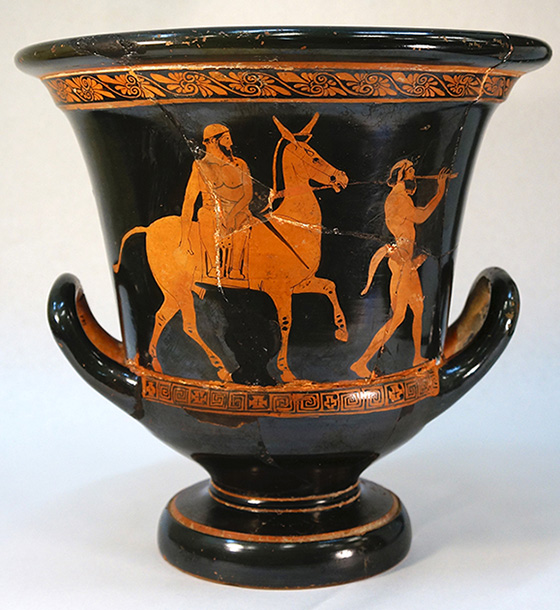
Explore one of the nation’s premier university collections of Greek and Roman antiquities, spanning 1500 B.C. to 300 A.D. Featuring sculpture, pottery, architectural fragments, coins, and small artifacts.
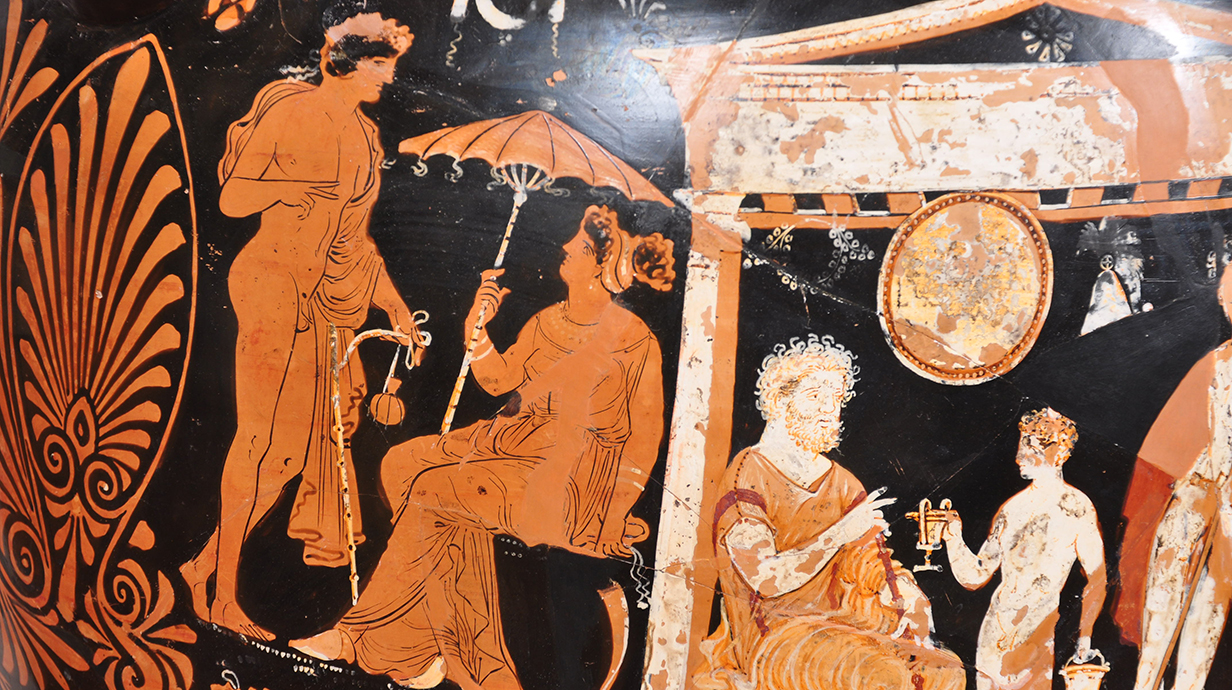
Greek & Roman Antiquities
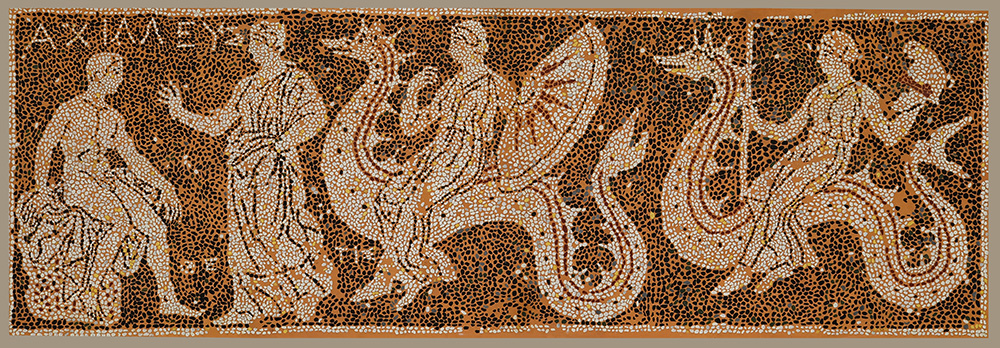
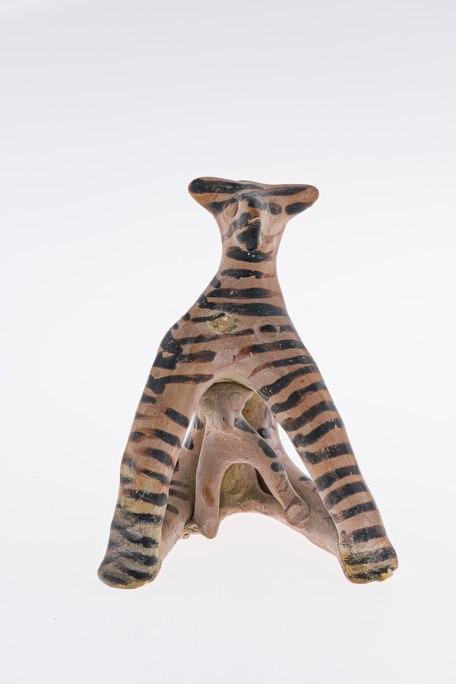
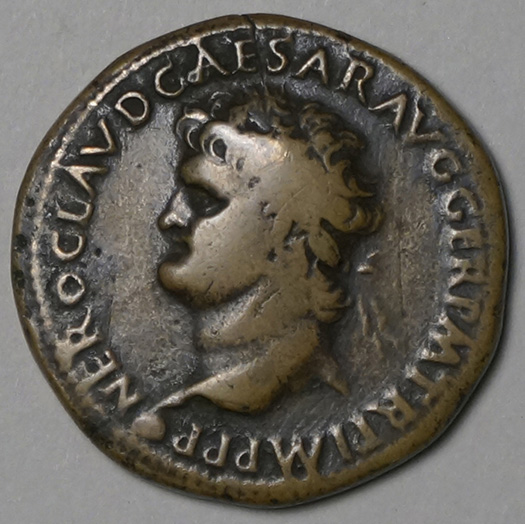
The David M. Robinson Collection at the University of Mississippi Museum is one of the most significant holdings of Greek and Roman antiquities in the United States. Assembled by archaeologist David M. Robinson during his decades of excavation and research, the collection includes thousands of artifacts that illuminate daily life in the ancient world: pottery, sculpture, coins, inscriptions, glass, and household objects.
Robinson joined the University of Mississippi faculty in 1947 and, upon his passing in 1958, left his personal collection to the museum. Today, these works form the foundation of the museum’s antiquities gallery, offering visitors a direct connection to the art, history, and culture of classical civilizations.
About David M. Robinson
Born in New York City in 1880, David M. Robinson received his A.B. degree in 1898 and his Ph.D. in 1904 from the University of Chicago. After serving as head of the Classics Department at Illinois College in Urbana from 1904-05, Robinson spent the majority of his career at Johns Hopkins University in Baltimore.
Considered a globally influential figure in the field of Archaeology, Robinson conducted artifact excavations, unearthing ancient Greek artifacts in Corinth (1902-1903) and Sardis (1910). In 1924, he directed the excavation of Pisidian Antioch and Sizma for the University of Michigan. His greatest archaeological achievement was the discovery and excavation of the ancient city of Olynthus from 1928 through 1938. Throughout his career, Robinson was widely published in archaeology, as well as Greek and Roman literature, history, and linguistics.
In 1947, he retired from Johns Hopkins and accepted a position as professor at the University of Mississippi, where he taught for ten years. Robinson passed away in 1958, leaving behind a wealth of published research and a unique collection of Greek and Roman antiquities.
The Collection at a Glance
Check Out Our Other Collections
-
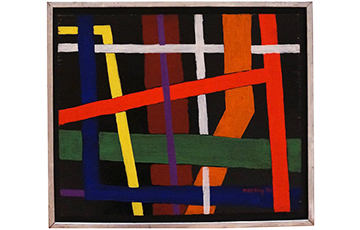
The Seymour Lawrence Collection of American Art
In 1998, editor and publisher Seymour Lawrence gave much of his personal art collection to the museum and funded the construction of the Seymour Lawrence Gallery of American Art. Included in this collection are works by Georgia O’Keefe, Kurt Vonnegut, Man Ray, Russell Chatham, Morris Graves, Marsden Hartley, Mark Tobey, John Marin, Arthur G. Dove, among others.
Seymour Lawrence Collection View the Online Collection -
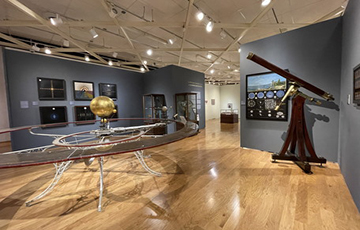
Millington-Barnard Collection of Scientific Instruments
is collection includes telescopes, mechanical models, and demonstration devices from 1848–1861.
Millington-Barnard Collection -
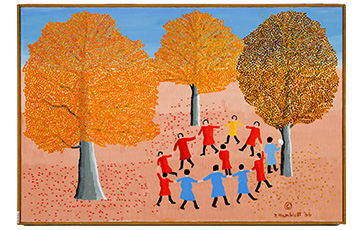
Theora Hamblett Collection
Theora Hamblett, a self-taught Mississippi artist who began painting later in life, became renowned for her colorful depictions of childhood memories, dreams, and religious visions; her distinctive, faith-driven works now form a cornerstone of the University of Mississippi Museum’s collection.
Theora Hamblett Collection View the Online Collection -
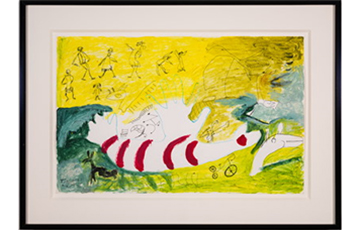
Southern Folk Art Collection
This collection highlights Southern folk and self-taught artists who used non-traditional materials to depict familiar scenes of faith, daily life, and the world around them. Created primarily in the late 19th and 20th centuries, these deeply personal works document Southern culture while reflecting how artists often turned to art after hardship, loss, or spiritual calling. Together, the collection preserves powerful expressions of resilience, creativity, and lived experience across the Southeastern United States.
Southern Folk Art Collection View the Online Collection -
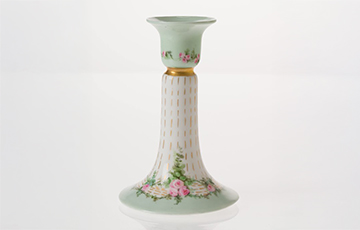
The Mary Buie and Kate Skipwith Collections
The Mary Buie and Kate Skipwith Collection reflects the sisters’ shared passion for art, history, and collecting. It includes decorative arts, European and Asian fans, fine porcelain and silver, Mary Buie’s paintings, and family memorabilia spanning the American Revolutionary War, Civil War, and World War I, forming the foundation of the University of Mississippi Museum’s collections.
The Mary Buie and Kate Skipwith Collections View the Online Collection -
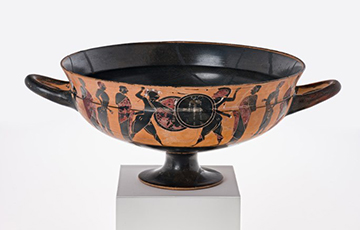
Online Collections
Various works from the Museum’s collections are always on view in the galleries. Some collections are also available online.
View Online Collections