UG
CSCD 2010: Introduction to Communicative Disorders
3 credits
Disorders of speech, language, and audition; emphasis on recognition, causation, and principles of management.
When you graduate with a Communication Sciences and Disorders degree at Ole Miss, you improve a person’s ability to communicate and improve their foundation for life.
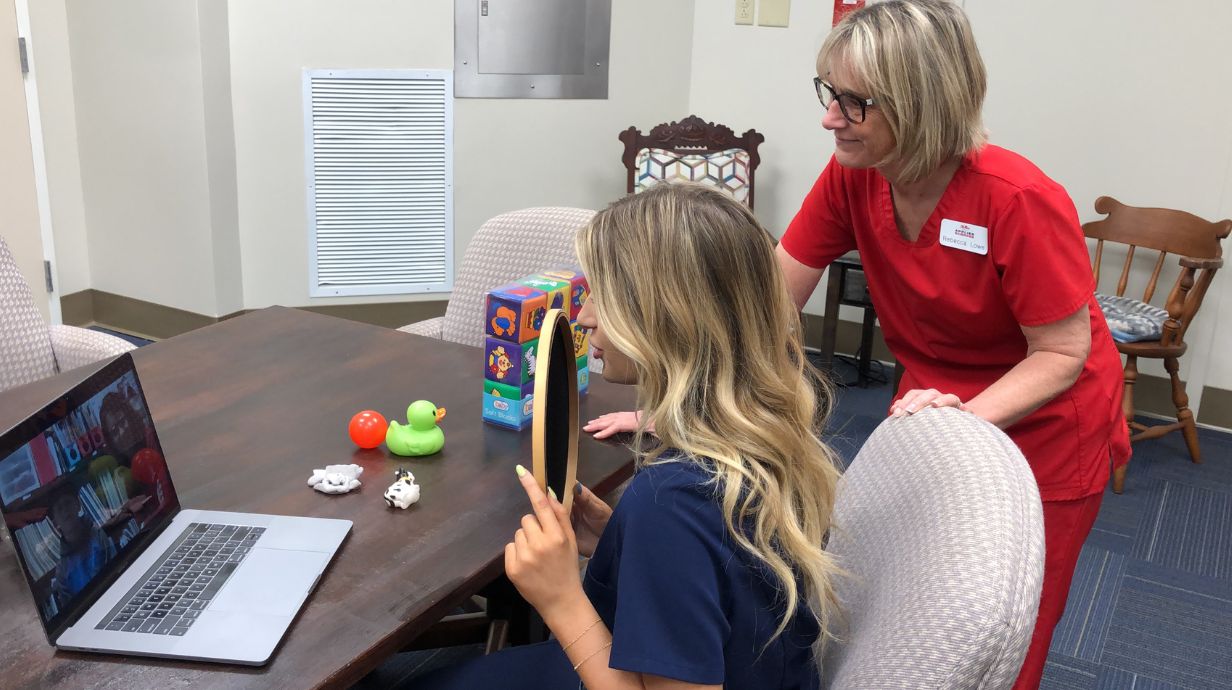
A degree in Communication Sciences and Disorders offers many exciting opportunities to serve your community. Students that complete a BS in communication science disorders will help individuals with speech, language, or hearing disabilities.
CSD majors learn the anatomy and physiology of speech, language, and auditory processes, and get hands-on experience assessing and managing disorders in speech, language, and hearing.
Coursework will prepare you to work with a variety of communication disorders across the age-span.
The BSCSD is a pre-professional degree.
B.S. in Communication Sciences and Disorders
Speech-Language Pathology ;
Audiology
124
Major
Minor
4 years
The minor in communication sciences and disorders (CSD) is offered by the Department of Communication Sciences and Disorders in the School of Applied Sciences.
The minor can complement many academic majors and provide students from various majors such as allied health care, biomedical engineering, education, general studies, gerontology, legal studies, psychology, psycholinguistics, recreational therapy, special education, journalism, and neuroscience, basic knowledge related to communication disorders.
The CSD minor may help students from various majors become better equipped to support individuals with communication disorders.
To complete the minor in CSD, students must earn a C or better in all 18 credits. The communication sciences and disorders minor is offered fully online.
The ASL Interpreting minor is an undergraduate, in-person minor. The minor includes three 4-credit courses and a 3-credit practicum totaling 15 hours of undergraduate-level coursework. Courses are offered in fall/spring/summer semesters. The courses in the minor will prepare students to become qualified interpreters for the Deaf. Learners can complete the minor in 20-24 months.
Students must apply for the minor in American Sign Language interpreting. Before applying, the applicant must complete 12 hours of prerequisites or have commensurate skills determined by a level II on the American Sign Language Proficiency Interview (ASLPI) given by course instructors.
A minimum GPA of 3.0 is required for courses counted toward the minor. No course may be repeated more than once, and no more than two courses may be repeated and applied toward the minor. In instances of repeated courses, the second grade will be used to determine eligibility to graduate. The time limit for completing the ASL minor is two years.
Here are a few of the required courses for a Communication Sciences and Disorders degree.
UG
3 credits
Disorders of speech, language, and audition; emphasis on recognition, causation, and principles of management.
UG
3 credits
Anatomical and physiological bases of speech, language, and auditory processes.
UG
3 credits
Introduction to the principles of articulatory phonetics and the narrow and wide transcription of normal and abnormal speech
Median income for Speech-Language Pathologists in 2024.
Median income for ESL teachers in 2024.
Jobs for ASL interpreters in 2024.
Jobs for Audiologists in 2022.
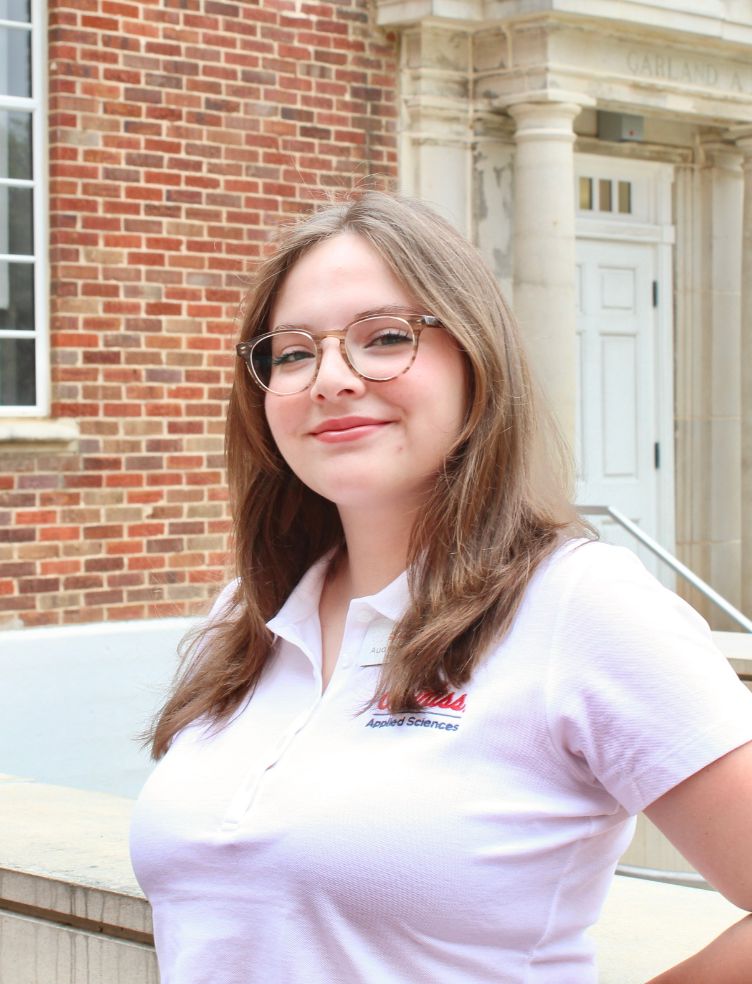
Why did you choose UM?
See Audrey’s Answer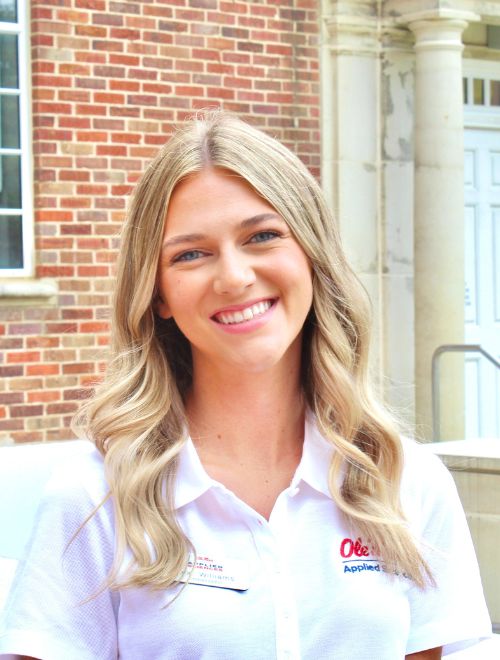
When did you choose your major?
See Lexie’s AnswerWe are here to answer any questions you may have about a bachelor's in CSD.
Academic Advisor II
We have a variety of scholarships and financial aid options to help make college more affordable for you and your family.
Are you ready to take the next step toward building your legacy?