
Research in the Department of Psychology
Find out more about the Department of Psychology's research activities and specializations.
A Top Research University
The University of Mississippi is designated as a R-1 Highest Research Activity University by the Carnegie Classification of Institutions of Higher Education. We are in an elite group of 2.5% of universities nationwide for world class research faculty, spending on research, and production of graduate students.
Here are just a few of the topics our professors and students are researching:
- Social and cognitive development across the lifespan, with an emphasis on infancy and early childhood. We are interested in how children come to control their thoughts and behavior and what supports this development.
- Emotion, specifically facial and verbal expression of emotion and the influence of personality and situational factors on self-regulation of emotion.
- Psychological and social factors that contribute to poor health behaviors among adults with chronic health conditions – particularly individuals with type 2 diabetes, obesity, hypertension, and persistent respiratory conditions (i.e., asthma and COPD).
- Treatment of anxiety disorders across the lifespan, focusing on cognitive, emotional, and physiological processes that underlie a variety of anxiety disorders.
Clinical Psychology

Examining Rare Disorders
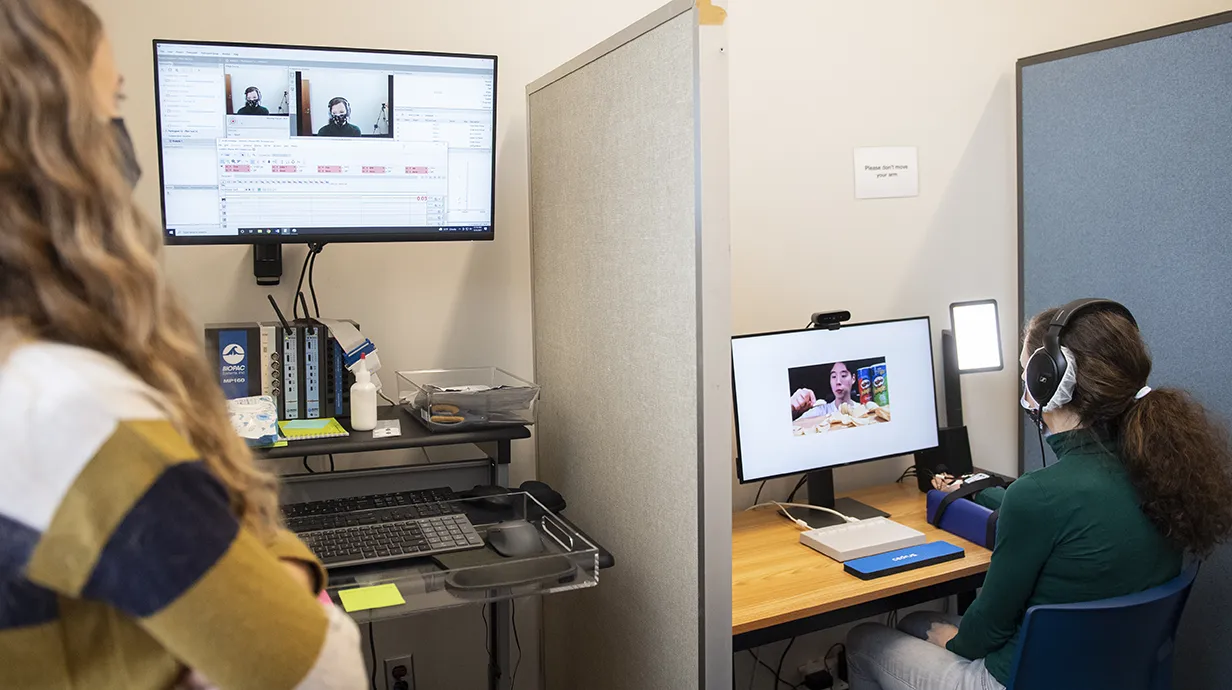
Dr. Laura Dixon is studying misophonia—a rare disorder that causes extreme sensitivity to noises like chewing and slurping—with aid from a grant funded by the Misophonia Research Fund. Her research on misophonia and other disorders focuses on understanding the processes contributing to symptoms and causing impairment. In the future, Dixon hopes to test intervention components for misophonia and continue to collect data on the understudied disorder.
Understanding Anxiety
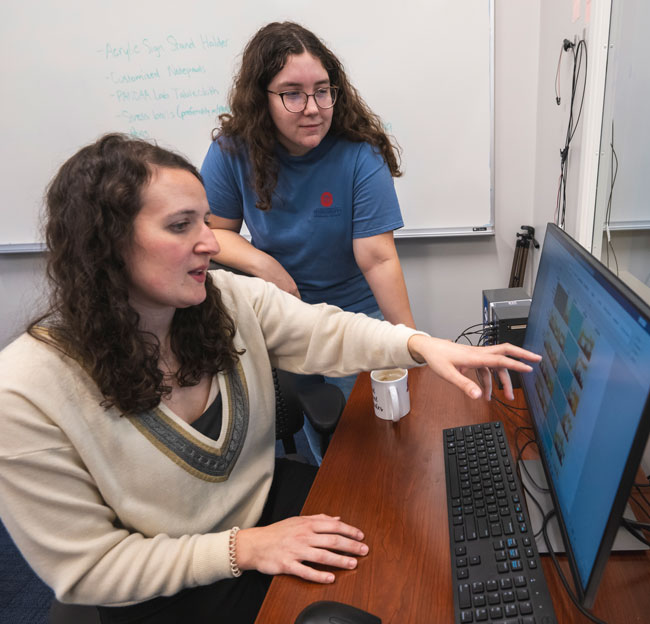
Dr. Sarah Bilsky is the director of the PANDAA lab at the University of Mississippi. The primary aim of the PANDAA lab is to improve our understanding of the development and maintenance of anxiety and related problems. Although this goal encompasses a broad range of foci, our research is currently primarily focused on projects examining the development and maintenance of anxiety and substance use vulnerabilities among parents and adolescents. Recent work includes looking at transdiagnostic factors such as anxiety sensitivity, parenting stress, and sleep difficulties and how they are related to affective symptoms and substance use among adolescents and parents. Dr. Bilsky is currently the Principal Investigator for a CDC funded project aimed at reducing adolescent use of alcohol, tobacco, and marijuana use.
Zeina Ramadan, Doctoral Student
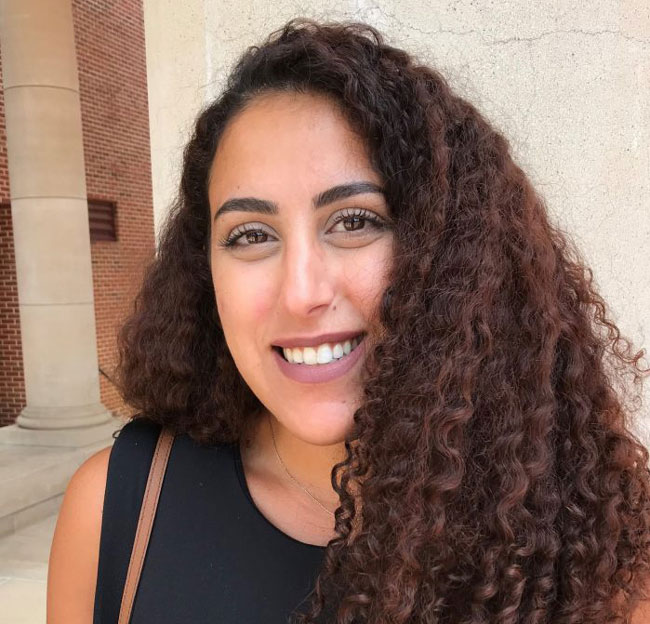
Zeina Ramadan is completing a practicum at Communicare, a Mississippi Department of Health Agency in Northern Mississippi. As a student therapist, she provides mental health care to those from vulnerable populations. Specifically, Ramadan works with individuals who are dependent on Medicaid or unable to pay for mental health services. She has a passion for helping others, and the R. Kelley Thueson Graduate Fellowship affords her the opportunity to impact the lives of those who otherwise might not have access to crucial mental healthcare.
Undergraduate Research on Disordered Eating Behaviors
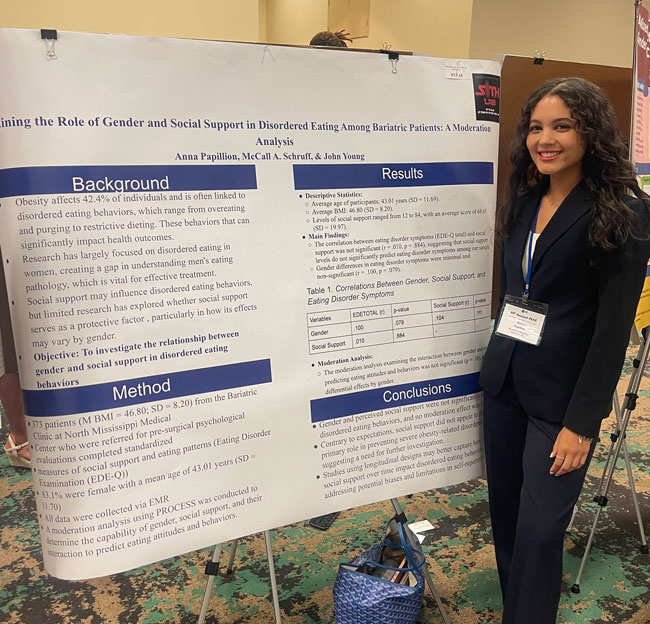
"My project, which received 2nd place by the MS Academy of Sciences, examined the relationship between gender, social support, and disordered eating behaviors among bariatric patients. Using a moderation analysis, we explored whether social support serves as a protective factor and if its impact varies by gender. Our findings challenge prior assumptions, demonstrating that social support did not significantly predict disordered eating behaviors in this population. This research underscores the need for longitudinal studies and a more detailed examination of specific types of social support to better understand its role over time among bariatric patients."
Anna Papillion
(B.A. in Psychology with a Sign Language minor)
Southern Regional Education Board (SREB) Doctoral Scholars Program Fellowship
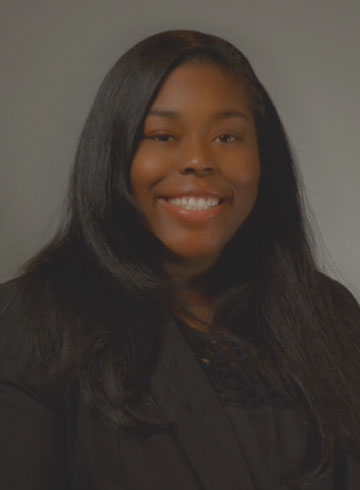
Gabrielle Armstrong is a recipient of the Southern Regional Education Board (SREB) Doctoral Scholars Program Fellowship, a distinguished initiative dedicated to enhancing the representation of minority scholars pursuing careers as academic faculty across colleges and universities. Her research centers on understanding the mechanisms underlying the co-occurrence of internalizing psychopathology and substance use within various psychosocial and contextual frameworks among historically excluded groups. Currently, she is leading a project examining the co-occurrence of PTSD and alcohol use disorder and its association with aggressive behaviors, suicidal ideation, and suicide attempt history among Black and Hispanic adolescents. This work addresses critical research gaps, and its findings have the potential to inform culturally sensitive intervention strategies for vulnerable populations.
Gabrielle Armstrong
Graduate Student
Clinical Psychology Faculty
Kristin Austin
- Clinical Assistant Professor and Director of the Psychologic Services Center
Sarah Bilsky
- Associate Professor of Clinical Psychology
Lee Cohen
- Dean of the College of Liberal Arts and Professor of Psychology
Laura Dixon
- Associate Professor of Psychology
Carey Dowling
- Instructional Professor of Psychology
Laura Drislane
- Assistant Professor of Psychology
Laura Johnson
- Professor of Psychology
Aaron Lee
- Associate Professor of Clinical Psychology
Vanessa Oliphant
- Assistant Professor of Psychology and African American Studies
Taylor Rodriguez
- Assistant Professor of Psychology
Stefan Schulenberg
- Professor of Psychology, Director of Interdisciplinary Minor in Disaster Sciences and Director of the Clinical- Disaster Research Center
Todd Smitherman
- Professor of Psychology and Director of Clinical Training
John Young
- Professor of Psychology
Experimental Psychology
The Psychology of Gossip
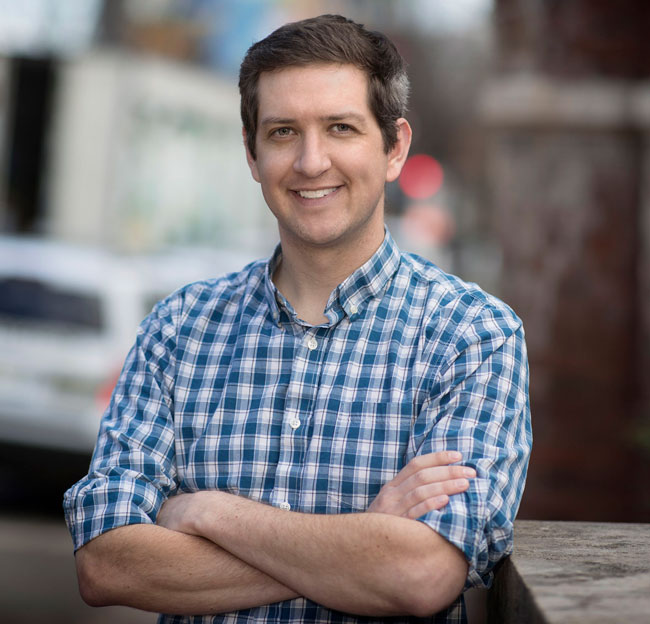
Dr. Andrew Hales recently published research on the psychology of gossip, to better understand why and when people may actually desire to be the topic of other people’s gossip. The research shows that, overall, most people prefer not to be gossiped about. However, on average, people who are higher in the trait of narcissism prefer to receive this attention, even when it is explicitly negative. This research helps us understand how different people handle the conflict between two fundamental human motives that sometimes clash: we want to be liked, and we want to be noticed.
Stephanie Miller and the CUB Lab
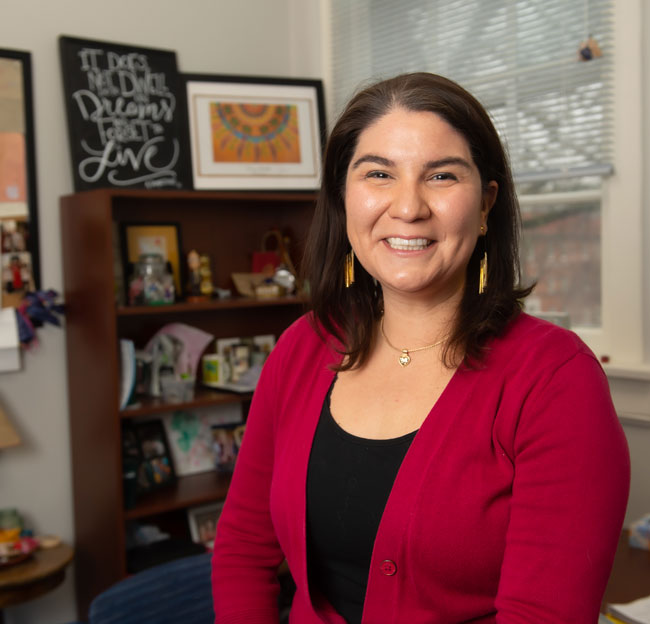
The CUB Lab is part of an interdisciplinary collaboration with the School of Education (Early Childhood Education, Health and Physical Education) and Nutrition & Hospitality Management working to deliver and understand the benefits of a supplemental standards-based curriculum grounded in mindfulness focused on family and community engagement, gardening and nutrition, social-emotional learning, and physical activity. The CUB lab team works to demonstrate positive contributions of this supplemental curriculum to executive function and social-emotional development during preschool. More information about the Growing Healthy Minds Bodies and Communities curriculum and the research related to this program can be found at their website.
Zoe Fischer, Doctoral Student
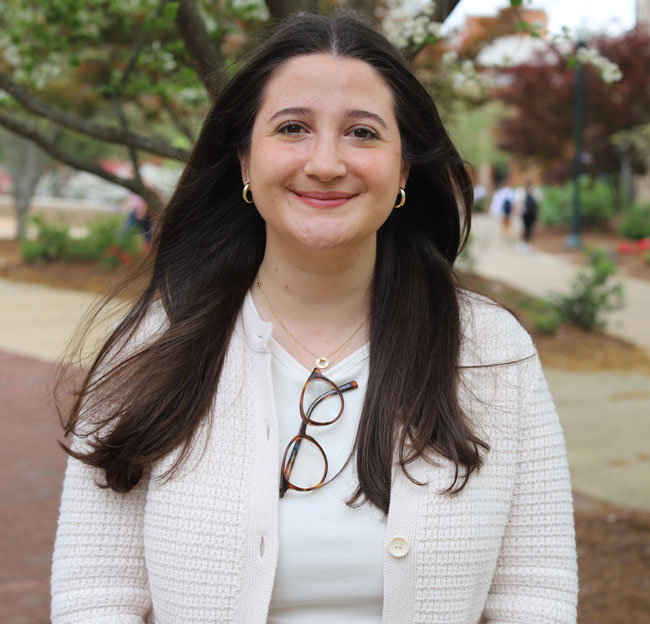
“My lab focuses on memory research, and we are currently working on a project that examines how presenting educational content in different formats can impact students' knowledge retention. We are exploring whether presenting information as a narrative, rather than through a traditional lecture style, enhances students' ability to remember what they have learned. Through this project, we aim to generate meaningful insights that can help educators optimize their teaching methods for better student learning and engagement.”
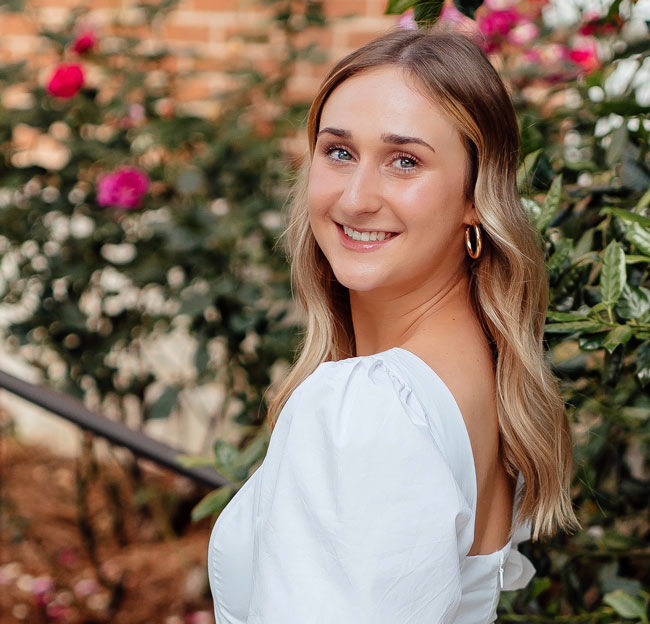
Storytelling Enhances Memory Retention
"In the study Storytelling: A Natural Mnemonic, I explored whether storytelling enhances memory retention compared to traditional lecture-based instruction. My research lies at the intersection of cognitive psychology and education, and I aim to investigate further how different instructional strategies can optimize learning outcomes. This work challenges common assumptions about storytelling as an inherently superior teaching method by demonstrating that its effects on memory retention may be context-dependent. This research can inform the development of more effective instructional approaches tailored to diverse learning needs. My goal is to contribute to creating teaching strategies that engage students and enhance their ability to retain and apply knowledge."
Hailey Stephens
(B.A. in Psychology with a minor in Criminal Justice)
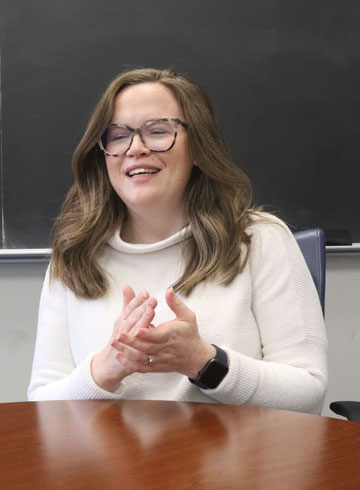
Community Engaged Fellow
Dr. Anna Kate Edgemon has been selected as a 2025–2026 Community Engaged Fellow by the University of Mississippi’s Center for Community Engagement. This competitive fellowship recognizes faculty members who demonstrate a strong commitment to community-engaged scholarship, research, teaching, and service. Her fellowship project, Community Engagement to Improve Conditions for Underserved Youth, focuses on developing restorative justice practices within Lafayette County. Her work aims to provide community-based justice, accountability, and improved outcomes for justice-involved youth. As a Fellow, Dr. Edgemon will participate in a year-long program designed to support and enhance her community-engaged research through collaboration with campus and community partners. This project will support the university’s public service mission and contribute to systemic improvements for youth across Mississippi.
Anna Kate Edgemon
Assistant Professor of Psychology
Experimental Psychology Faculty
Jeffery Bednark
- Instructional Assistant Professor of Psychology
Anna Kate Edgemon
- Assistant Professor of Psychology
Rafaela Meireles Fontes Azevedo
- Assistant Professor
Andy Hales
- Associate Professor of Psychology
Robert Hunt
- Adjunct Research Professor
Kate Kellum
- Instructional Professor of Psychology, Director of Undergraduate Studies, Assistant Chair
Mervin Matthew
- Instructional Professor of Psychology
Stephanie Miller
- Professor of Psychology and Provost Faculty Research Scholar for Institutional Transformation
Nicolaas Prins
- Associate Professor of Psychology
Matthew Reysen
- Associate Professor of Psychology
Grace Rivera
- Associate Professor of Psychology
Don Skinner
- Instructional Assistant Professor of Psychology
Carrie Smith
- Associate Professor of Psychology
Rebekah Smith
- Chair and Professor of Psychology
Kurt Streeter
- Instructional Associate Professor of Cognitive Psychology
Kenneth Sufka
- Distinguished Professor of Psychology and Pharmacology, Research Professor in the Research Institute of Pharmaceutical Sciences and Director of the Stamps Impact Prize
Sirui Wan
- Assistant Professor of Psychology
Joseph Wellman
- Associate Professor of Psychology and Director of Experimental Training
Undergraduate Research Resources
For more information and to find out how to participate in research projects with Department of Psychology faculty, see our Research Opportunities web page. For other research opportunities, see the resources available below.
Some classes within the Department of Psychology require a research component. Find out about using Sona Systems to participate in research studies.
As an alternative to completing research studies, you may elect to complete the credits by instead attending research talks. See information linked below on attending research talks for research credit.
Students enrolled in the Honor's College may choose to do a research project as part of their thesis or practicum.
Examples of past theses in psychology:
Bishop, Mary, "Examining the relationship between Misophonia and Depression"
Blackwell, Meridith. M. A. (2016) "Meaning and resilience as predictors of posttraumatic growth among college students"
Bush, Alexandra Isabella, "Sharing My Story Through Public Speaking: Young People and Mental Health"
DuPerier, Elizabeth Gray, "The Role of Narrative Medicine in Patient Healing and Meaningful Clinical Practice"
Fair, Lara, "Analyzing the Unique Role of Repetitive Negative Thinking on Insomnia in College Students"
Fortner, Sarah Ryann M.; Semko, Joshua, "Meet Them Where They Are: Investigating the Feasibility and Acceptability of Artificial Intelligence-Avatar-Delivered Community-Based Psychological First Aid Programming in a University Setting"
Franklin, Khadeejah and Saval, Alexa, "Key Barriers to University-Enrolled Student Parents Enhanced by the COVID-19 Pandemic"
Hymel, Marie-Josée, "Loneliness and Pain in Individuals with Migraine"
Markham, Kaylee, "Grit Games: Do Incentives Play A Role?"
Melvin, Kaylan, "The Associations Between Adolescent Motives for Social Media Use with Body Dysmorphia, Eating Disorder, and Anxiety and Depression Symptoms"
Daniels, Rachel, "The Effects of Survival, Pleasantness, and Storytelling Conditions on True and False Memory Recollection"
Nosal, Emeri Rose, "Examining the Influence of Training on an Event-Based Prospective Memory Task in 3-Year-Olds"
Arunachalam, Aswin, "Perseverative Thinking and Thought Suppression: Links to Medication Non-Adherence Among Adults with Type 2 Diabetes"
Embry, Racheal, "Relations between Parent Reports of Effortful Control and Behavioral Measures of Executive Function in Toddlers"
Havertape, Ella, "Sleep's Relationship to Executive Functioning in Toddlers"
Mitchell, Kallen E., "Guardian's Goals and Gains: The Relationship between Need Satisfaction and Parenting Goals in Parents of Toddlers"
Lewis, Caroline, "The Effects of Processing Tasks on False Memories"
Morse, Cole, "Predicting Personal Growth: An Analysis of Self-Relevant Approaches"
Wasson, Emily (Honors Thesis 2017) "Parental influence on weight bias in school-age children"
Sanders, MaKensey (Honor’s Thesis 2017) "Little philosophers: Assessing and prompting philosophical reasoning with children"
Davis, Christal (2016). "Perceptions and attitudes regarding preparedness for campus crises: A focus group study of undergraduates at a Southern university"
Interested in participating in research projects with faculty?
For more information and to find out how to participate in research projects with Department of Psychology faculty, see our Research Opportunities web page.-
Human Subjects Research Guidance and Resources
The role of the Institutional Review Board (IRB) is to review all proposed research involving human subjects to ensure that subjects are treated ethically and that their rights and welfare are adequately protected. The IRB is composed primarily of faculty members from disciplines in which research involving human subjects is integral to that discipline's work, researchers whose primary interests are non-scientific, as well as members from the community. The human subjects review process is administered through the ORED’s Research Integrity, Security, and Compliance division.
More information on navigating human subject research
Facilities
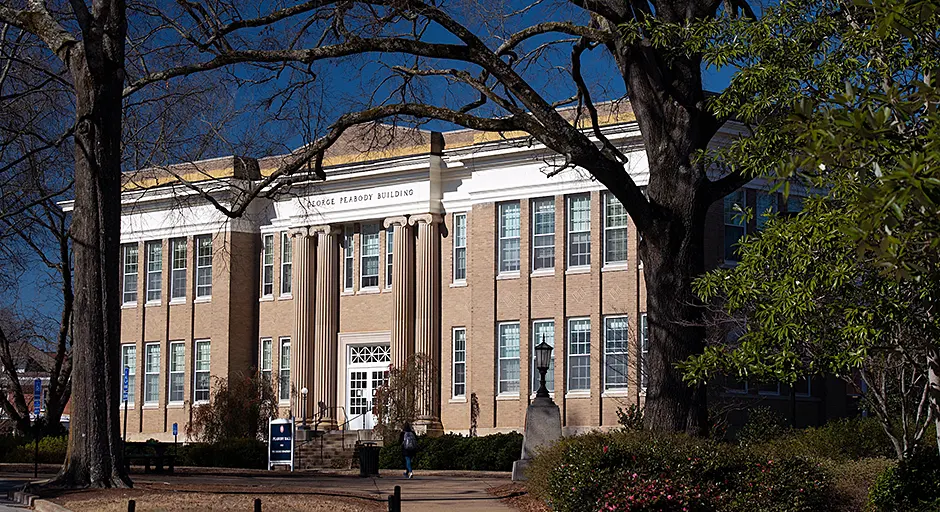
George Peabody Building
Located on the circle, the Peabody building is home to the Department of Psychology administrative offices, classrooms, research labs, and more.
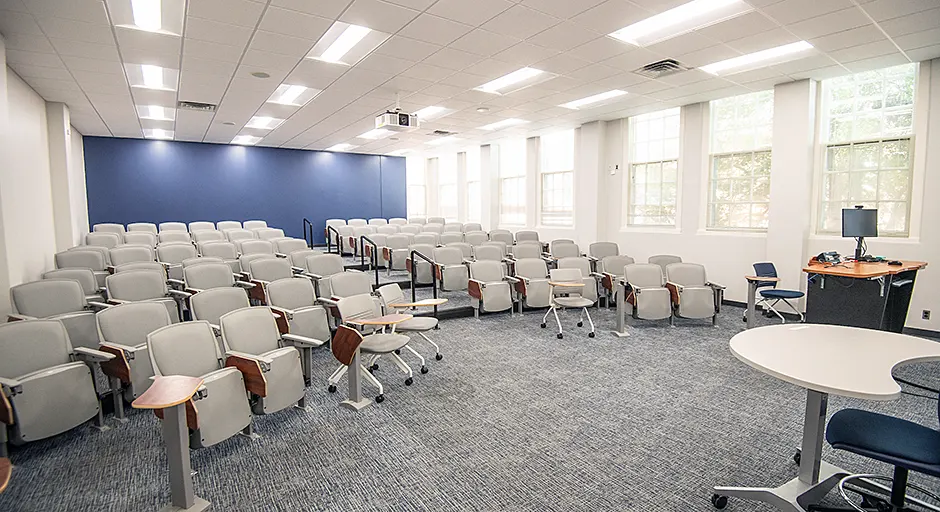
Classroom 1
Classroom for large courses, research/clinical presentations, and meetings.
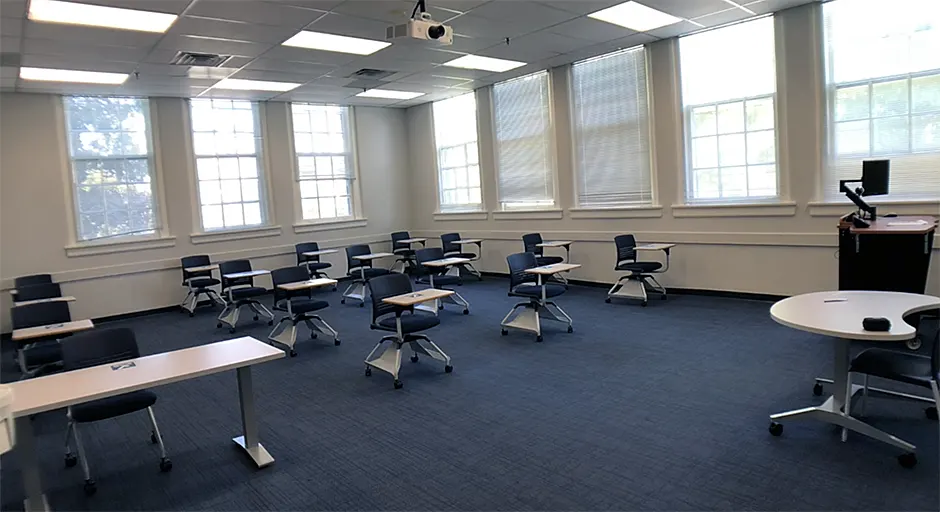
Classroom 2
Classroom for graduate and smaller undergraduate courses.
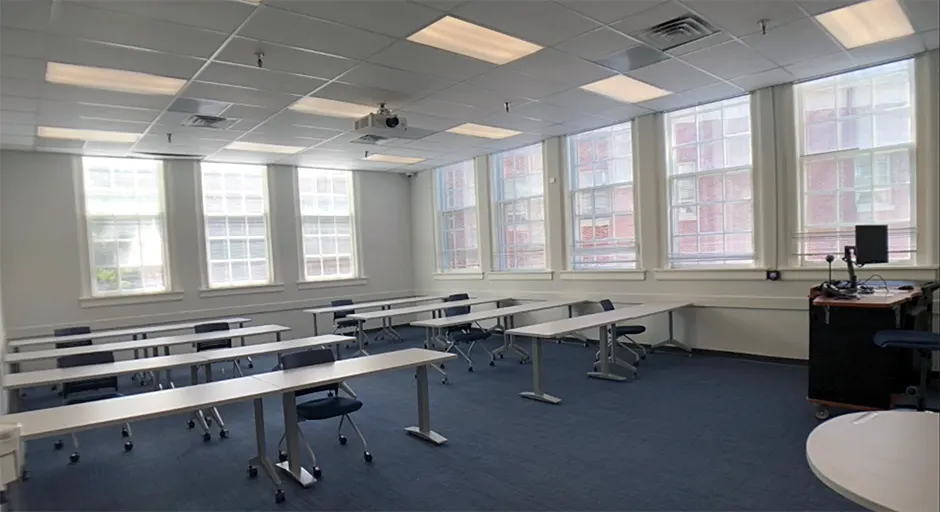
Classroom 3
Classroom for graduate and smaller undergraduate courses.
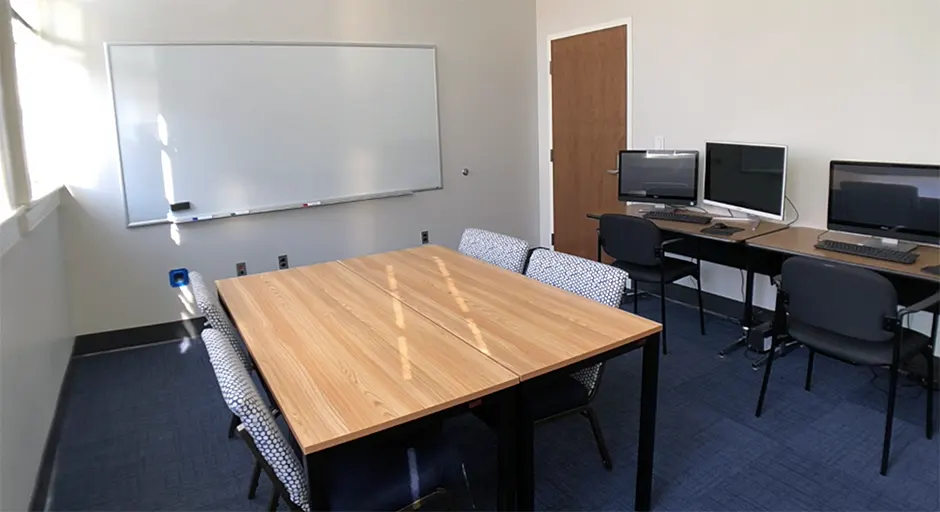
HART Lab
Health and Anxiety | Research and Treatment lab led by Laura Dixon.
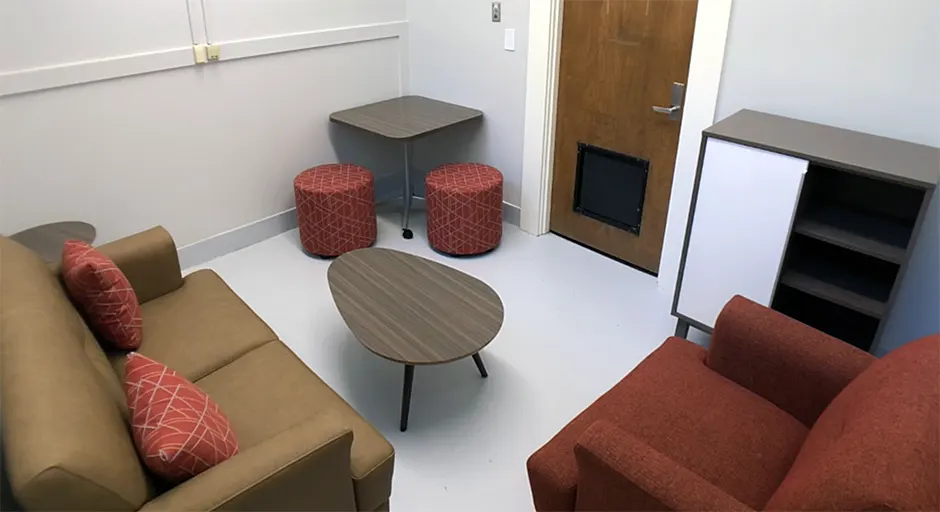
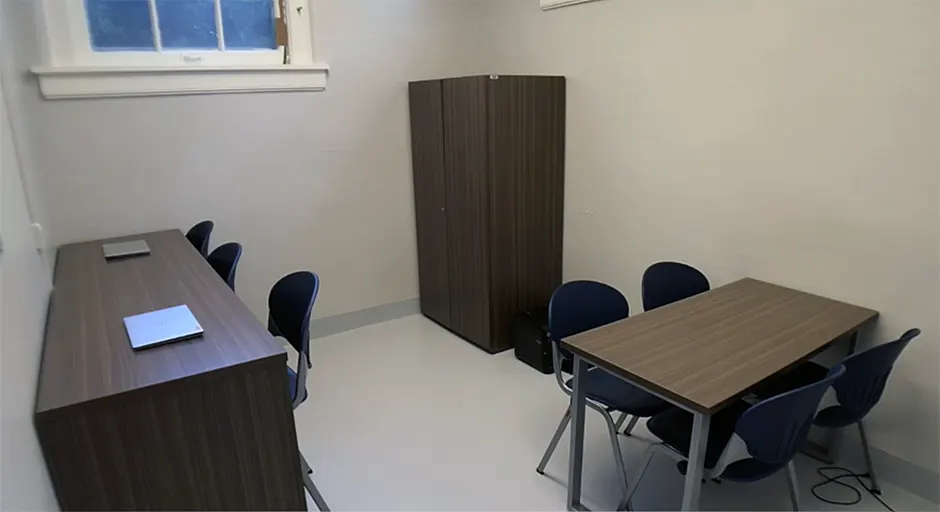
ISHTAR Lab, Observation Room
Carrie Smith leads the ISHTAR lab which studies how people go about their daily lives, with a focus on their social interactions.
ISHTAR Lab, Testing Room
Carrie Smith leads the ISHTAR lab which studies how people go about their daily lives, with a focus on their social interactions.
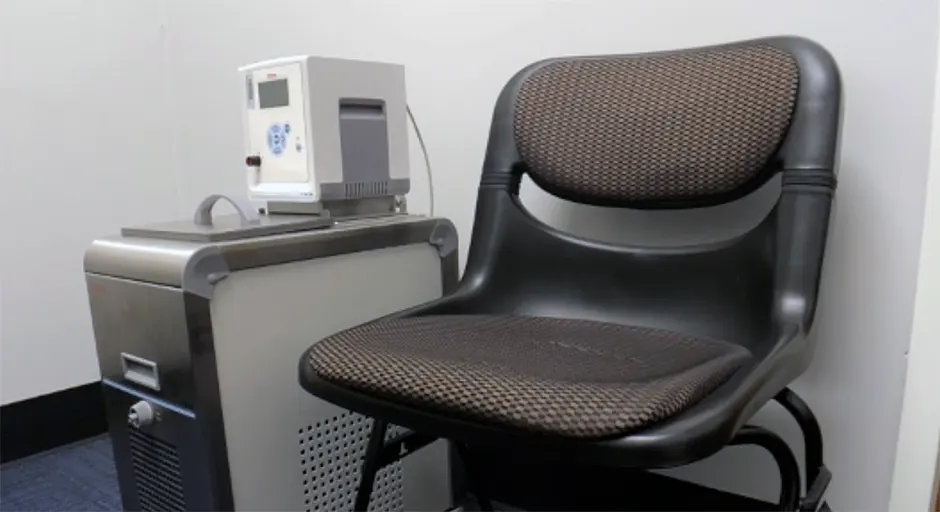
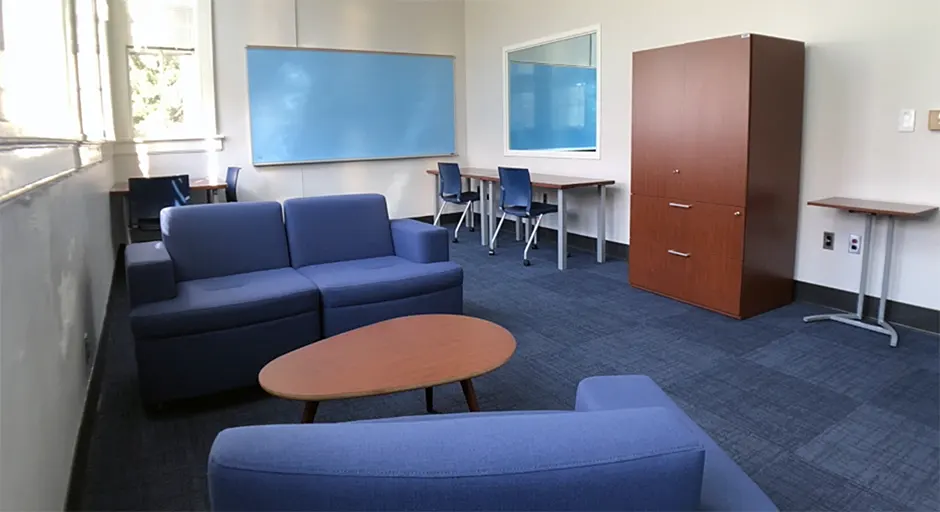
Migraine and Behavioral Health Lab
Todd Smitherman's research focuses on the relationship between psychological factors and physical health/illness.
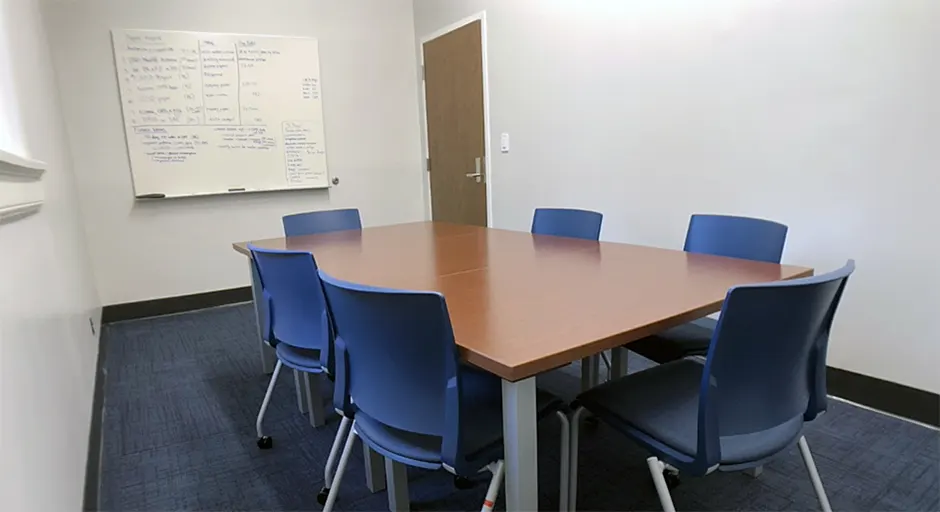
PANDAA Lab
Sarah Bilsky's PANDAA Lab studies familial processes that increase risk for parent and adolescent psychopathology and substance use.
PSICH Lab
Aaron Lee’s lab examines psychological and social factors that contribute to poor health behaviors among adults with chronic health conditions.
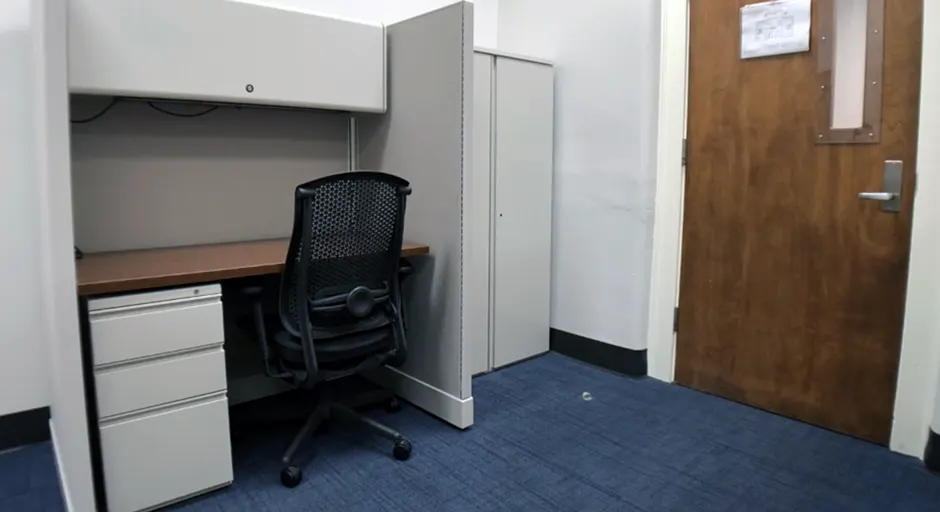
Graduate Student Office Space
Graduate students have access to dedicated work space while they are enrolled in a graduate program.
Partner Facilities
Office for Research and Economic Development
The Office for Research and Economic Development (ORED) at the University of Mississippi empowers research that advances knowledge, addresses social challenges, and propels economic growth locally and nationally. Our role is to support researchers, foster collaboration, and facilitate the translation of innovation into progress.
- 313 Lyceum, University, MS 38677
- 8 a.m. - 5 p.m.
- (662) 915-7583
- research@olemiss.edu
Psychological Services Center
Psychological services provides affordable and accessible services to the Mississippi community. We also engage in research that improves treatment across the nation, and provide in-depth training to our skilled staff of clinical graduate students.
- 2301 S. Lamar Blvd, South Entrance, 3rd Floor
- Monday-Friday, 9:00 a.m. – 4:00 p.m.
- 662-915-7385