
The Mary Buie and Kate Skipwith Collections
Explore the Mary Buie and Kate Skipwith Collection, featuring decorative arts, paintings, and historic family memorabilia that formed the foundation of the University of Mississippi Museum.
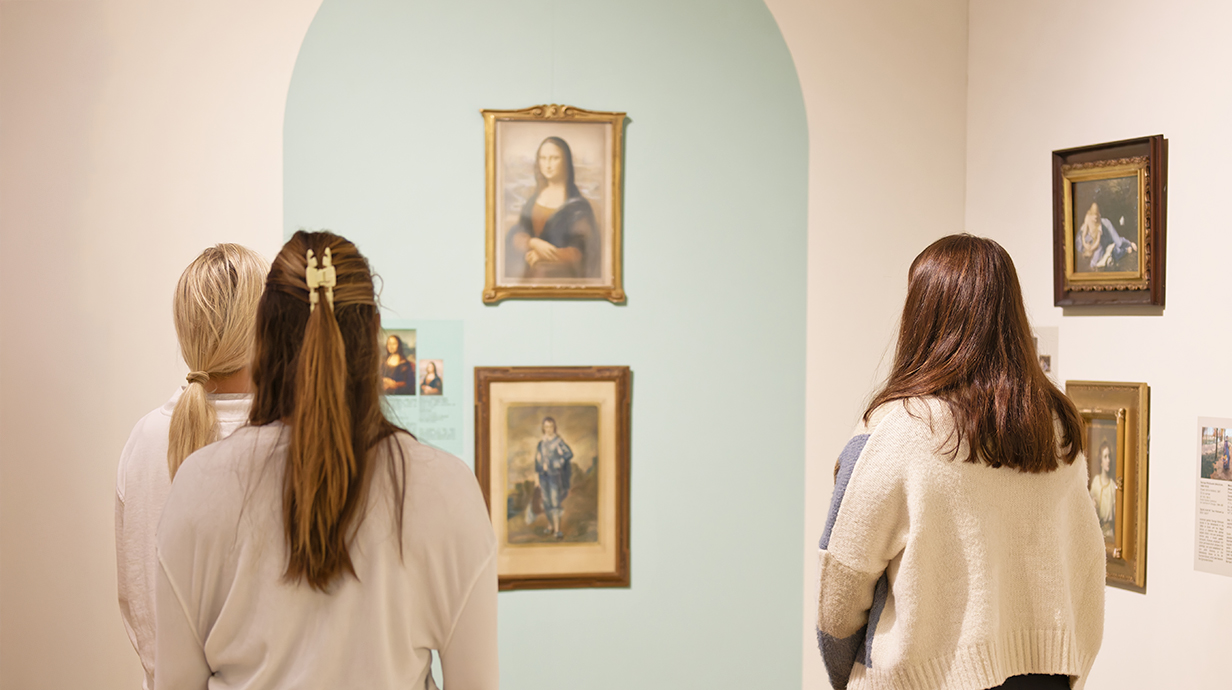
About Mary Buie and Kate Skipwith
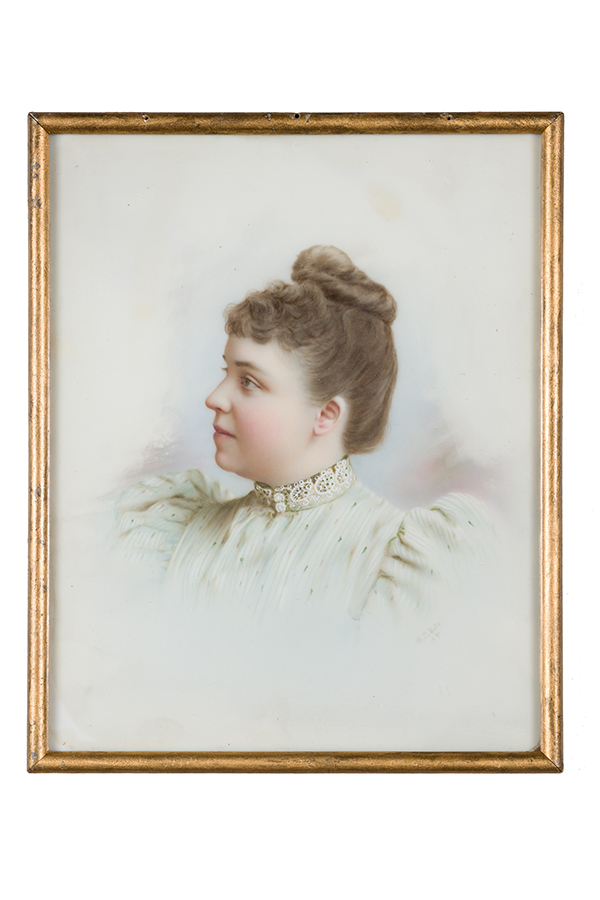
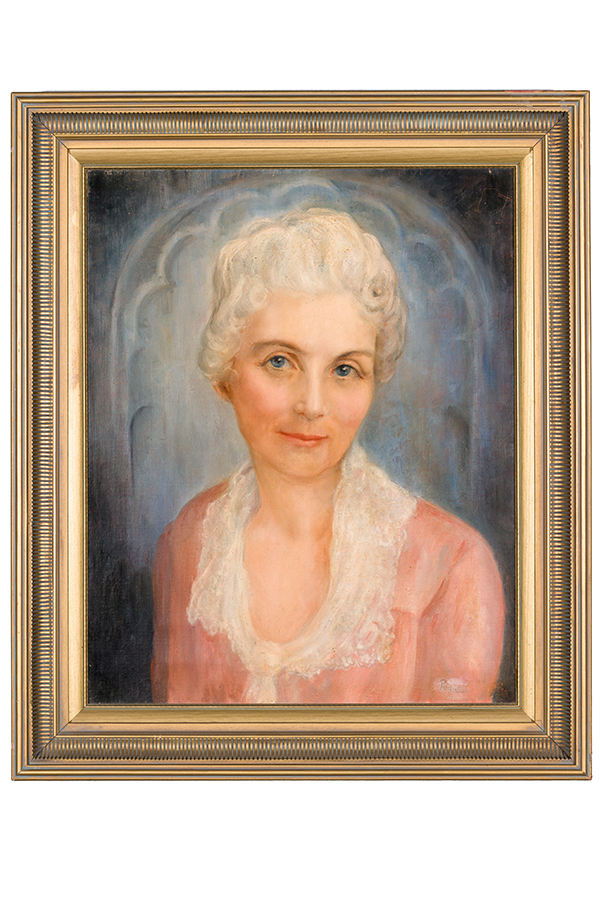
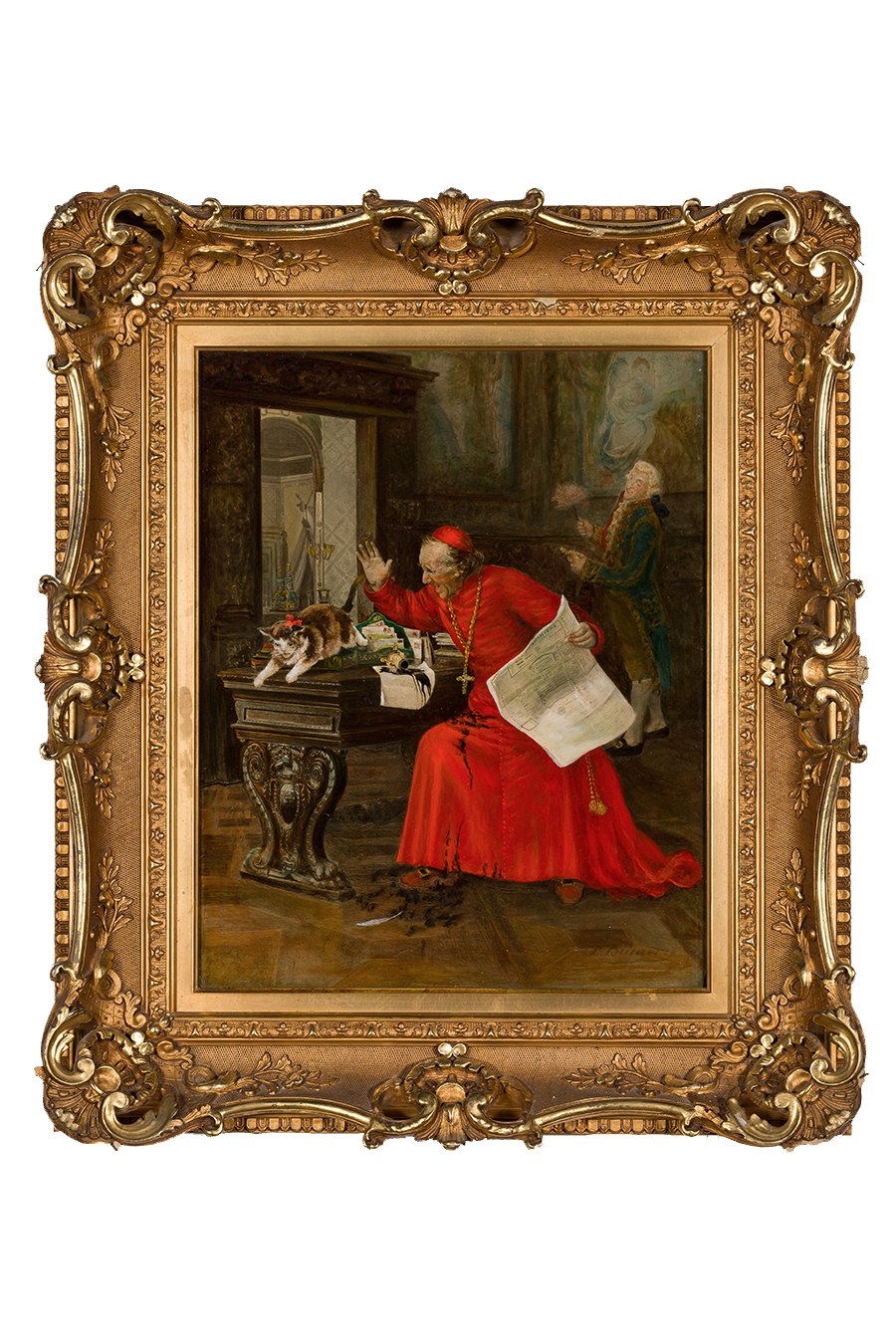
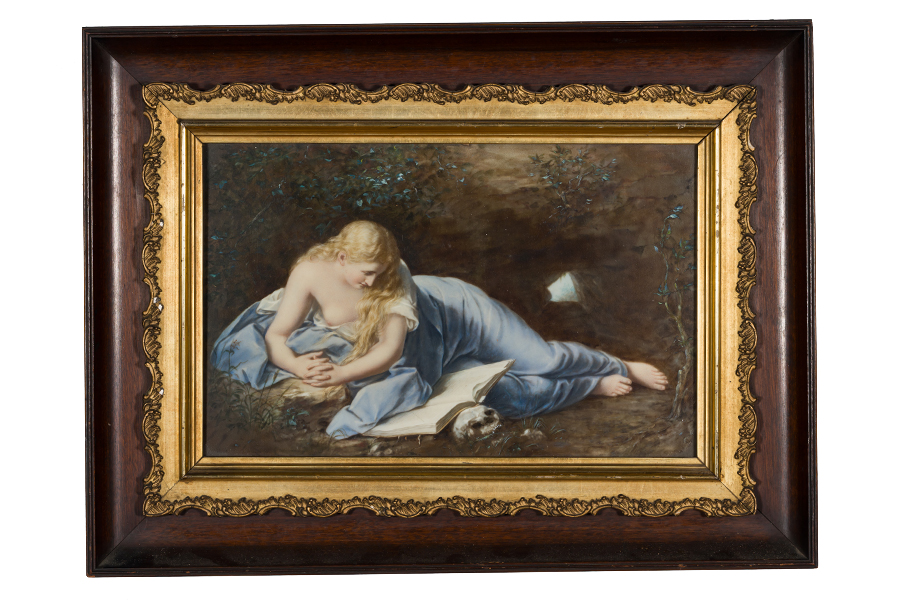
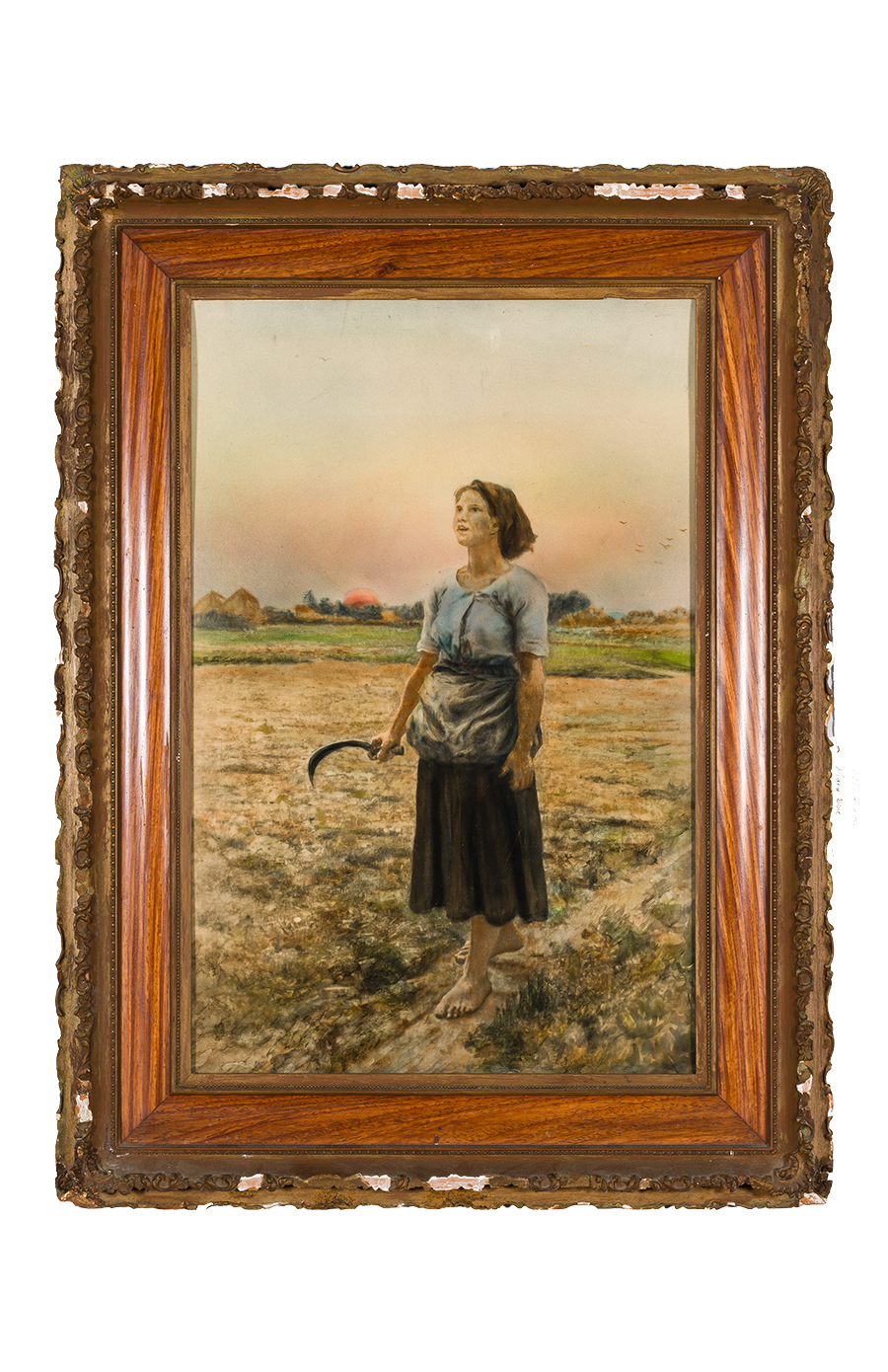
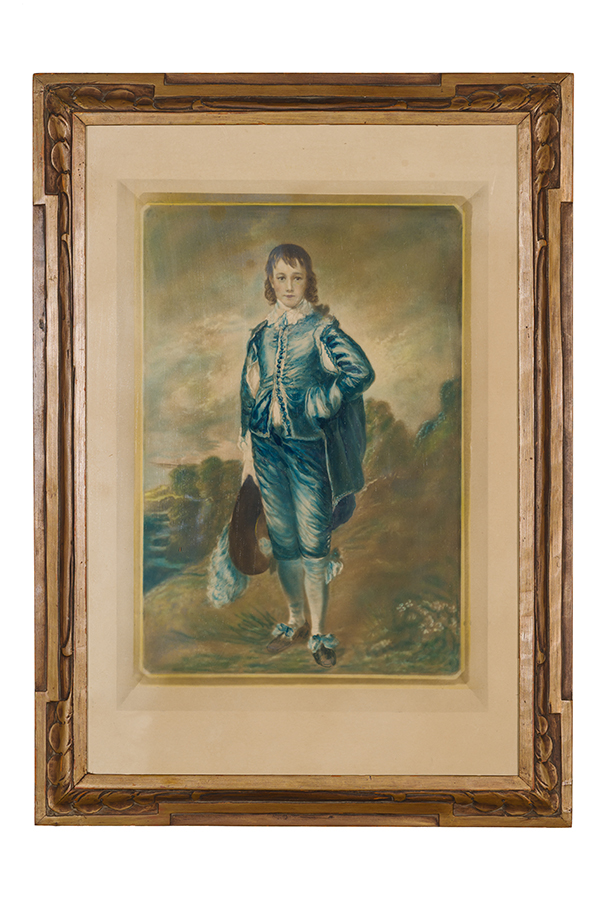
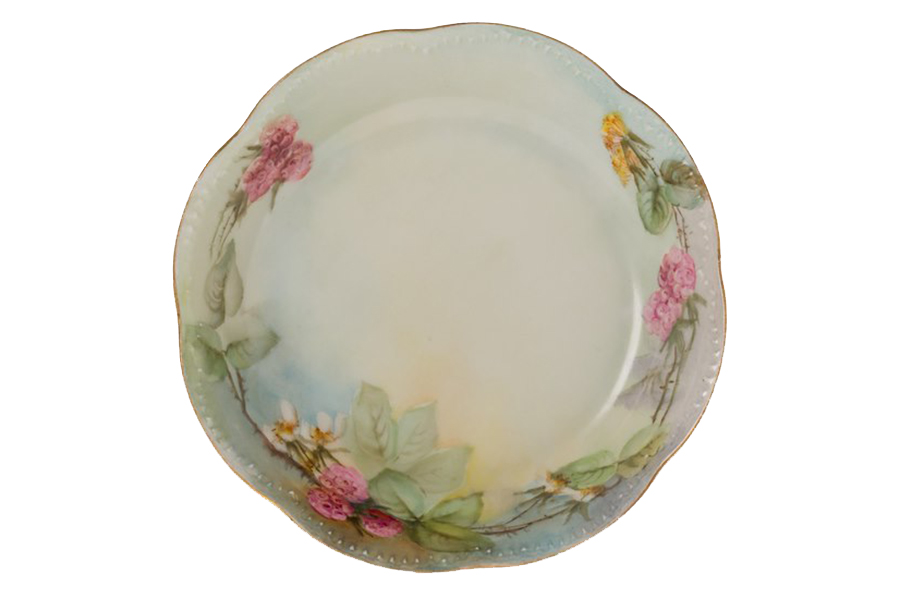
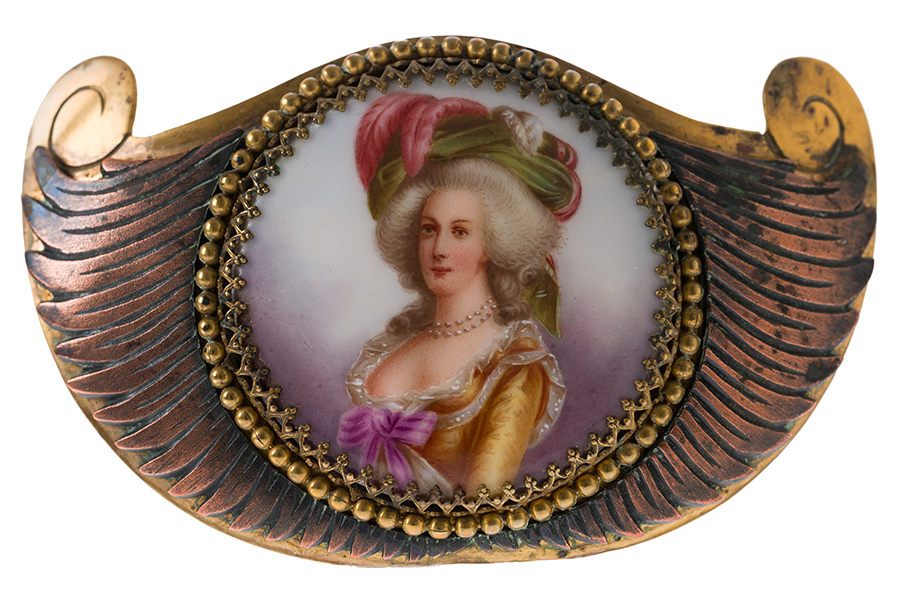
Mary Carter Skipwith Buie and Kate Anderson Skipwith were half-sisters from Oxford, Mississippi, who, because of their shared love of history, art, and travel, built what would become the University of Mississippi Museum. Their foundational collection included over 300 fans from European and Asian cultures, decorative art of fine porcelain and silver, Mary Buie's paintings, and their family's historical memorabilia from the American Revolutionary War, the American Civil War, and WWI.
Their family settled in Oxford, Mississippi, in about 1870 after living in New Orleans, Virginia, and Tennessee. Mary Skipwith married Henry T. Buie in 1883, and the couple moved to Chicago shortly thereafter. In Chicago, Mary continued to study art and found employment as a copy artist at the department store, Marshall Field's Company. She also kept a studio where she would make miniature portraits.
Kate Skipwith remained unmarried and deeply devoted to her family, faith, and charitable work. After their parents passed, Kate continued to live with their eldest sibling, Cornelia Greene Skipwith. The two made a modest income selling cakes and pies from their home. Their brother John Adair "Adair" provided additional support and later bought them a house with five acres on University Avenue, where the Museum is now situated. When he died in 1915, he left his sizable fortune entirely to Kate Skipwith.
Following her husband's death in 1922 and a decline in her health, Mary Buie returned to Oxford in about 1930 to live with her only remaining sibling, Kate. In her later years, Mary shared with her sister her wish to create a museum in Oxford to display her art and their family's historic memorabilia.
When Mary died in 1937, Kate built the Mary Buie Museum next to their house and gifted it to the city in 1939. Kate continued to dedicate her time and money to the Museum until she died in 1961, leaving substantial wealth in a trust to expand the Museum. The University of Mississippi received the deed from the city in 1974 and named the 1977 building addition the Kate Skipwith Teaching Museum.
The Collection at a Glance
Check Out Our Other Collections
-
David M. Robinson Memorial Collection
The David M. Robinson Collection of Greek and Roman Antiquities is one of the finest university collections of its kind in the United States. Covering the period from 1500 B.C. to 300 A.D., the collection contains Greek and Roman sculpture, Greek decorated pottery, architectural fragments, small artifacts in terracotta and bronze, and Greek and Roman coins. Portions of this collection are on display at all times.
David M. Robinson Memorial Collection View the Online Collection -
Millington-Barnard Collection of Scientific Instruments
Step into the 19th century with nearly 500 instruments used to teach physics, astronomy, and natural philosophy. This collection includes telescopes, mechanical models, and demonstration devices from 1848–1861.
Millington-Barnard Collection -
Theora Hamblett Collection
Theora Hamblett, a self-taught Mississippi artist who began painting later in life, became renowned for her colorful depictions of childhood memories, dreams, and religious visions; her distinctive, faith-driven works now form a cornerstone of the University of Mississippi Museum’s collection.
Theora Hamblett Collection View the Online Collection -
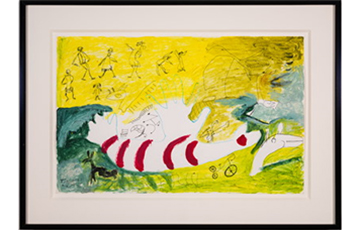
Southern Folk Art Collection
This collection highlights Southern folk and self-taught artists who used non-traditional materials to depict familiar scenes of faith, daily life, and the world around them. Created primarily in the late 19th and 20th centuries, these deeply personal works document Southern culture while reflecting how artists often turned to art after hardship, loss, or spiritual calling. Together, the collection preserves powerful expressions of resilience, creativity, and lived experience across the Southeastern United States.
Southern Folk Art Collection View the Online Collection -
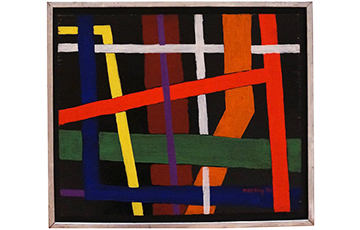
The Seymour Lawrence Collection of American Art
In 1998, editor and publisher Seymour Lawrence gave much of his personal art collection to the museum and funded the construction of the Seymour Lawrence Gallery of American Art. Included in this collection are works by Georgia O’Keefe, Kurt Vonnegut, Man Ray, Russell Chatham, Morris Graves, Marsden Hartley, Mark Tobey, John Marin, Arthur G. Dove, among others.
Seymour Lawrence Collection View the Online Collection -
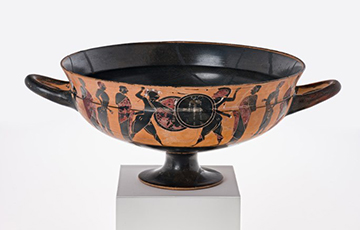
Online Collections
Various works from the Museum’s collections are always on view in the galleries. Some collections are also available online.
View Online Collections