
Millington-Barnard Collection of Scientific Instruments
Explore the Millington-Barnard Collection of Scientific Instruments, featuring nineteenth-century telescopes, teaching models, and demonstration devices used to instruct early University of Mississippi students in science and astronomy.
About the Collection
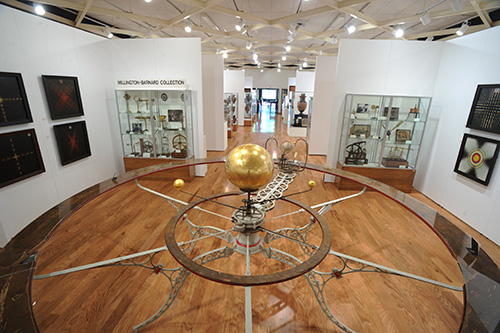
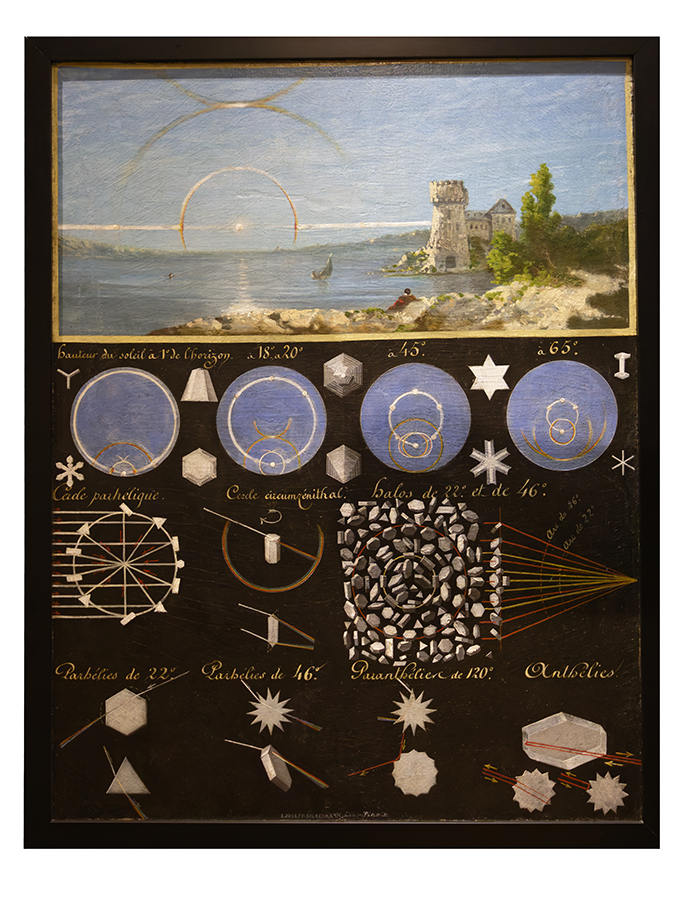
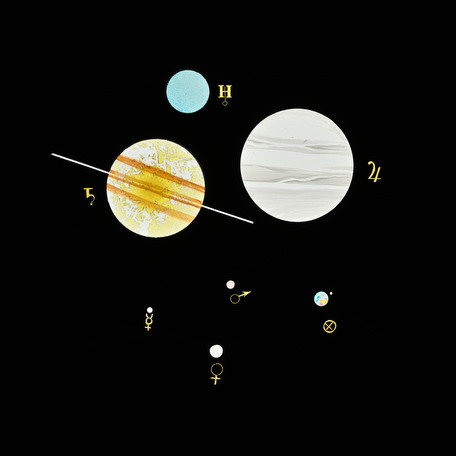
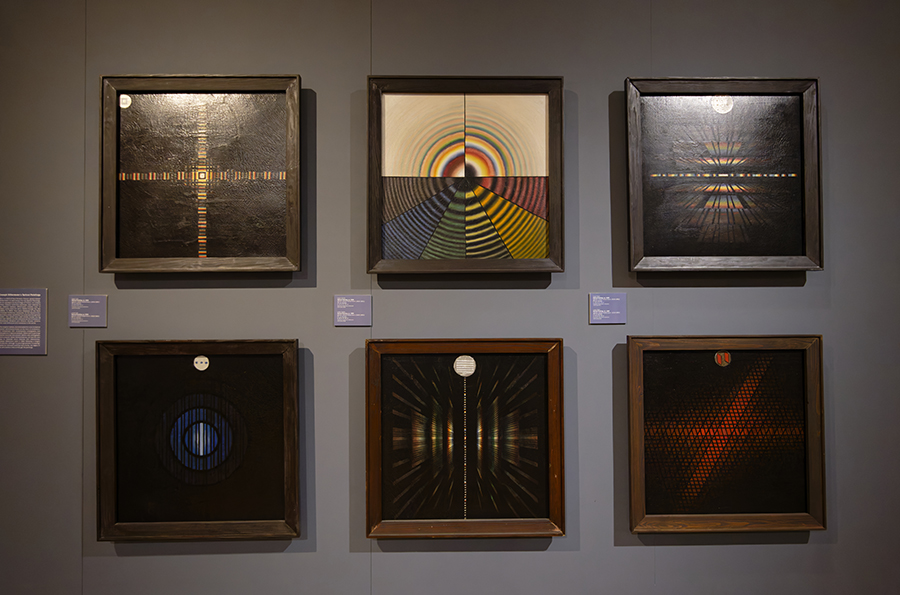
Approximately 500 nineteenth century scientific instruments, used by John Millington and Frederick A.P. Barnard to teach university students from 1848 to 1861, are preserved in the University Museum’s collections. Included in this collection are telescopes, models of large machines, and demonstration devices for the teaching of natural philosophy, physics, and astronomy.
History
In 1848, John Millington arrived at the new University of Mississippi to teach natural sciences. Millington brought with him the collection of scientific apparatus he had acquired during forty years of teaching natural philosophy, mechanics, and astronomy in England and the United States. As a world-renowned scientist and one of the four original faculty members on campus, Millington’s collection established a significant precedent for future purchases through which the University of Mississippi could expand its curriculum for future students.
After Millington’s departure from the University of Mississippi, Frederick A.P. Barnard joined the fledgling UM faculty in 1854 to serve as professor of mathematics, civil engineering, and astronomy. Soon after his arrival, he applied $100,000 of state funding toward the construction of an astronomical observatory (the present-day Barnard Observatory on campus) and the acquisition of the finest scientific instruments available at the time. Many of them were made by the prestigious Paris instrument makers Lerebours et Secretan. Portions of this collection are on display at all times.
The orrery on display was made in 1854 and purchased by Barnard in the late 1850s for use at the University. Following the Civil War, the University reopened and the instruments were returned to their original home in Barnard Observatory for use in classrooms and laboratories. By the 1870s, the instruments became obsolete but were moved to permanent storage to preserve their historic character. The Millington-Barnard Collection objects were stored in the Physics Department attic until 1958, when a group of men in the Physics Club discovered the objects. They cleaned the instruments and returned them to working order and displayed them in the Physics Department until 1977, when the instruments were transferred to the University Museum for conservation, exhibition, and study.
The Collection at a Glance
Check Out Our Other Collections
-
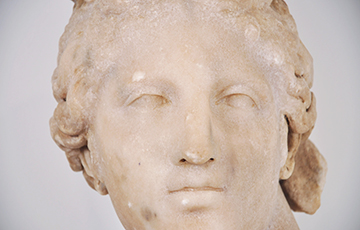
David M. Robinson Memorial Collection
The David M. Robinson Collection of Greek and Roman Antiquities is one of the finest university collections of its kind in the United States. Covering the period from 1500 B.C. to 300 A.D., the collection contains Greek and Roman sculpture, Greek decorated pottery, architectural fragments, small artifacts in terracotta and bronze, and Greek and Roman coins. Portions of this collection are on display at all times.
David M. Robinson Memorial Collection View the Online Collection -

Southern Folk Art Collection
This collection highlights Southern folk and self-taught artists who used non-traditional materials to depict familiar scenes of faith, daily life, and the world around them. Created primarily in the late 19th and 20th centuries, these deeply personal works document Southern culture while reflecting how artists often turned to art after hardship, loss, or spiritual calling. Together, the collection preserves powerful expressions of resilience, creativity, and lived experience across the Southeastern United States.
Southern Folk Art Collection View the Online Collection -
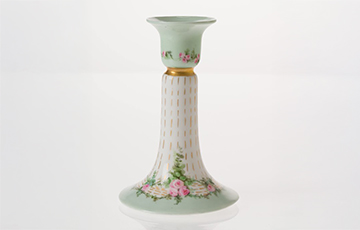
The Mary Buie and Kate Skipwith Collections
The Mary Buie and Kate Skipwith Collection reflects the sisters’ shared passion for art, history, and collecting. It includes decorative arts, European and Asian fans, fine porcelain and silver, Mary Buie’s paintings, and family memorabilia spanning the American Revolutionary War, Civil War, and World War I, forming the foundation of the University of Mississippi Museum’s collections.
The Mary Buie and Kate Skipwith Collections View the Online Collection -

Theora Hamblett Collection
Theora Hamblett, a self-taught Mississippi artist who began painting later in life, became renowned for her colorful depictions of childhood memories, dreams, and religious visions; her distinctive, faith-driven works now form a cornerstone of the University of Mississippi Museum’s collection.
Theora Hamblett Collection View the Online Collection -

The Seymour Lawrence Collection of American Art
In 1998, editor and publisher Seymour Lawrence gave much of his personal art collection to the museum and funded the construction of the Seymour Lawrence Gallery of American Art. Included in this collection are works by Georgia O’Keefe, Kurt Vonnegut, Man Ray, Russell Chatham, Morris Graves, Marsden Hartley, Mark Tobey, John Marin, Arthur G. Dove, among others.
Seymour Lawrence Collection View the Online Collection -
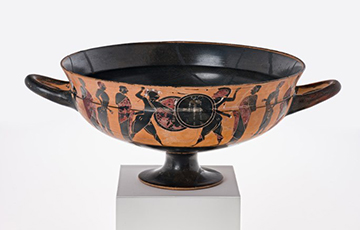
Online Collections
Various works from the Museum’s collections are always on view in the galleries. Some collections are also available online.
View Online Collections