
About the Center for the Study of Southern Culture
Learn about the center's faculty, program offerings, and commitment to the documentation of the American South.
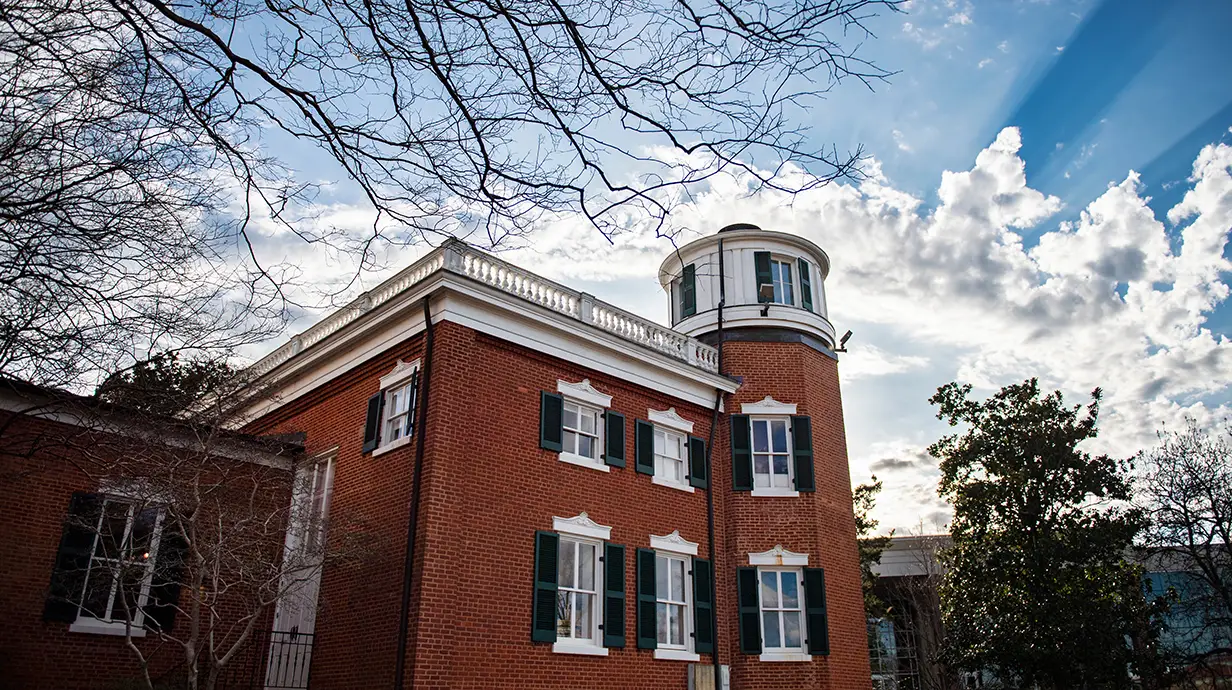
The Center for the Study of Southern Culture
Who We Are
The University of Mississippi is classified by Carnegie as an R1 university, a designation reserved for the top 2.5% of universities in the nation. As part of a research-intensive university, our faculty are at the top of their field.
Being at an R1 university matters for students because it means they will have professors who bring exciting new discoveries into the classroom and give students a chance to work alongside them as they break barriers.
Center faculty, staff, and students emphasize the following areas of study: literature, history, anthropology, sociology, religion, documentary storytelling (including film, photography, and oral history), foodways, music, race and ethnicity, globalization, environment, gender and sexuality, movement and migration, and place-making.
What We Do
The Center investigates, documents, interprets, and teaches about the American South through academic inquiry and publications, documentary studies of film, photography, and oral history, and public outreach programs. The cross-disciplinary Southern Studies faculty and the undergraduate and graduate degree programs are the core of the Center’s work.
What We Offer
Welcome from the Director
Welcome to one of UM’s most distinctive features—its Southern Studies program, housed at the Center for the Study of Southern Culture. Southern Studies is an interdisciplinary major that approaches the idea and the place of the U.S. South from a variety of angles. We study history and literature, sociology and photography, anthropology and music, food and film. Pursue your interests against the backdrop of a region that tells us even more about the nation.
Kathryn McKee
Director of the Center for the Study of Southern Culture, McMullan Professor of Southern Studies, and Professor of English
Mission, Values, and History
The mission of the Center for the Study of Southern Culture is to document, interpret, and teach about the U.S. South through critical research and public engagement.
Approaches and perspectives from various academic disciplines ground our understanding of the region, revealing the South’s cultural, historical, geographic, and demographic complexity.
At the heart of the Center’s mission is the academic program. Its undergraduate and graduate curricula strengthen the University’s commitment to the arts, humanities, and social sciences. This interdisciplinary approach engages different pathways to knowledge and recognizes creative perspectives on the study of the region.
Center faculty, staff, and students emphasize the following areas of study: literature, history, anthropology, sociology, religion, documentary storytelling (including film, photography, and oral history), foodways, music, race and ethnicity, globalization, environment, gender and sexuality, movement and migration, and place-making.
The Center engages broader audiences through publications, conferences, lectures, and documentary media. Because of its location, the Center focuses much of its work on Mississippi and the Deep South, while at the same time exploring the region as a whole, both in its U.S. and global contexts.
People enliven our mission. We commit to foster belonging by recognizing the diversity of the region we study.
We invite people of all races, classes, genders, sexual orientations, religious affiliations, ages, ethnicities, physical and neural abilities, national and regional origins, and other aspects of identity to fully engage with the Center, its programming, its academic components, and its institutes.
We commit to fair treatment, access, and opportunity for all. No individual should be disadvantaged because of their identity. We commit to challenging institutional and societal barriers to fair treatment.
The Center for the Study of Southern Culture began in the mid-1970s. Dedicated to strengthening humanities teaching and scholarship at the university through the exploration and documentation of the American South, a committee of the school’s faculty and administrators began planning the Center for the Study of Southern Culture in 1975. In 1976 the National Endowment for the Humanities awarded the University a consultant grant to aid in the planning, and in November of 1977 a three-day Eudora Welty symposium, featuring the author herself, marked the opening of the Center.
Students
The interdisciplinary nature of the Center has since its founding drawn students with a diverse range of interests who go on to pursue many different fields, both scholarly and in the arts, humanities, social justice, law, and business.
Throughout its history, the Center has emphasized its academic program as the foundation of its work. A National Endowment for the Humanities curriculum grant led to the creation of a Bachelor of Arts program in Southern Studies, which now enrolls 225 undergraduate majors, and the University of Mississippi supported the program through the appointment of faculty working in the Southern Studies program and in tenure-granting departments.
B.A. in Southern Studies
In 1986 the University established the Master of Arts program in Southern Studies. It remains the only Southern Studies M.A. program in the world. A Master of Fine Arts degree in Documentary Expression began in the fall of 2017 at the UM Center for the Study of Southern Culture. The M.F.A. program combines coursework in Southern Studies and interdisciplinary fields with advanced training in photography, film, and audio production.
Together, both graduate programs enroll between 25–30 students. Students benefit from a combination of courses in Southern Studies and courses from a range of other classes and encouragement to pursue interdisciplinary work. Since the 1980s over 400 students have completed Southern Studies degrees, and many more University of Mississippi students have taken Southern Studies classes.
Barnard Observatory, home to the Center for the Study of Southern Culture, is named for Frederick A. Barnard and is one of the oldest buildings on the University of Mississippi campus.
"I have done some work here which will not die with me.”
—F.A.P Barnard, 1859
Barnard Observatory is the home of the Center for the Study of Southern Culture and was built by enslaved labor between 1857 and 1859. It is one of three remaining antebellum buildings on campus where, like all of Oxford and the surrounding area, it sits atop ancestral Chickasaw land ceded by force with the signing of the Treaty of Pontotoc Creek in 1837.
Frederick A.P. Barnard, born in Massachusetts in 1809, graduated from Yale before teaching at Hartford Grammar School and the New York Institution for the Instruction of the Deaf and Dumb. With the growing sectional divide over slavery, there was a reluctance of the Southern elite to send their sons to abolitionist Northern institutions and instead a need to establish universities in the South that taught a pro-slavery curriculum, requiring the luring of educators below the Mason-Dixon line. After meeting the president of the University of Alabama in 1837, Barnard accepted a position as the chair of mathematics and natural philosophy in Tuscaloosa.
In 1854, Barnard learned from a former student about an available position as the chair of the chemistry, mathematics, and astronomy departments at the upstart University of Mississippi, then only a decade old. In 1856, Barnard became the university’s first chancellor (the title was changed from president in 1858), and aimed to make the university a national leader in what was then called “experimental science,” favoring observation, experimentation, and scientific inquiry above rote recital. Securing $100,000 from the state legislature for his educational reforms and new scientific equipment, he set his sights on building his monument: a Greek revival observatory, modelled on Pulkovo Observatory in Russia and designed to contain a state-of-the-art barometer and the world’s largest refracting telescope.
A Northerner at a time of great division, Barnard was aware of a need to allay suspicion for abolitionist beliefs and held two enslaved workers, Jane and Nathan, who lived with him and his wife Margaret. On May 12, 1859 while the couple were away from Oxford, student S.B. Humphreys entered his home, beating and raping Jane. Once recovered she identified her attacker to Margaret who relayed it to her husband. A split faculty decision on Humphreys’ guilt kept him from being expelled, but Barnard’s personal letter to his parents lead to his withdrawal and subsequent rejection on reapplication in the following semester. Jane’s story is memorialised in a historical marker outside the front of the building.
Barnard’s decision to take the testimony of an enslaved woman over a white student, in counter to Mississippi law, was controversial and led to his investigation by the board of the university, who ruled him sound on the question of slavery after two days of testimony. It would be a temporary reprieve from his place in the sectional question: with the vast majority of the student body joining the University Greys in the wake of secession and only four students registered for the 1861 semester, the Unionist Barnard resigned as chancellor and returned to the North to teach at Columbia. The Civil War likewise prevented his telescope from ever completing his observatory. Commissioning a Massachusetts company to construct the lens in 1856, it was finished in 1861 but was unable to be dispatched South and remained in its workshop until being auctioned off to Northwestern University in 1863.
During the Civil War the building was used as a hospital for both Union and Confederate troops, surviving the razing of most of Oxford on account of Sherman’s friendship with Barnard. After his departure the building continued to house the Department of Physics and Astronomy with two telescopes, a smaller one that Barnard had acquired around 1856 and a larger one to be the building’s centerpiece (although not to the record size he had wanted), before separate physics and astronomy buildings were each completed in 1939 and the telescopes were moved to Kennon Observatory, where they remain. Barnard Observatory, split into east and west wings, housed Naval ROTC, the official residency of the chancellor, and the Alpha Xi Delta sorority, before the newly founded Center for the Study of Southern Culture found a home in its east wing in 1977. By 1986, the Center grew to be the only resident.
Receiving a National Register of Historic Places designation in 1979 and becoming a Mississippi Landmark in 1986, the century-old building of many faces needed architectural renovations. Fundraising $3 million, including $600,000 from the NEH, the renovations started in 1989 and were completed by 1992, stripping away many of the additional features added over the years and returning to Barnard’s original vision of the building. Its west wing accommodates the Tupelo lecture room, host of the SouthTalks lecture series and the Gammill Gallery of rotating exhibitions. The Southern Foodways Alliance occupies the floor where Barnard hoped his telescope would reside.
Further information:
- National Register of Historic Places Nomination Form (September 1977)
- David Sansing The University of Mississippi: A Sesquicentennial History (March 1999)
- Tom Howorth History is Lunch: F.A.P. Barnard: The Man and His Observatory (December 2019)
Written by Cosmo McGee, Southern Studies Graduate Student
Each year in this space the Center shares accomplishments from within the academic program and from across its affiliated institutes. We do so for three reasons: to reflect internally on what we have achieved, to share that information with broader audiences, and to help us set goals for the coming year that take up new challenges.
University-wide Resources
Connecting people with opportunities and resources so they may engage the world and pursue their dreams.Leadership and Support
Kathryn McKee
- Director of the Center for the Study of Southern Culture, McMullan Professor of Southern Studies, and Professor of English
James Thomas
- Associate Director for Publications
Afton Thomas
- Associate Director for Programs
Andrew Bryant
- Administrative Coordinator I
Rebecca Lauck Cleary
- Communication Specialist
Bert Neal
- Administrative Coordinator I
Core Faculty
Annemarie Anderson
- SFA Assistant Professor of Practice and Lead Oral Historian
Tom Attah
- Assistant Professor of Sociology and Southern Studies
Simone Delerme
- Professor of Anthropology and McMullan Professor of Southern Studies
Ralph Eubanks
- Faculty Fellow and Writer in Residence
Darren Grem
- Associate Professor of History and Southern Studies
Adam Gussow
- Professor of English and Southern Studies
Andy Harper
- Director of Media & Documentary Projects and Associate Professor of Practice
Melanie Ho
- Assistant Professor of Practice
Kathryn McKee
- Director of the Center for the Study of Southern Culture, McMullan Professor of Southern Studies, and Professor of English
Matthew O'Neal
- Assistant Professor of History and Southern Studies
Ellie Palazzolo
- Southern Foodways Alliance Assistant Professor of Southern Studies and Assistant Professor of History
Ryan Parsons
- Assistant Professor of Sociology and Southern Studies
John Rash
- Assistant Professor of Film Production and Southern Studies
Xavier Sivels
- Instructional Assistant Professor of Southern Studies
Jodi Skipper
- Professor of Anthropology and Southern Studies and Anthropology Associate Chair
Affiliated Faculty
Adetayo Alabi
- Professor of English
Patrick Alexander
- Associate Professor of English and African American Studies
Scott Barretta
- Lecturer in Sociology and Anthropology
Anne Cafer
- Associate Dean for Research, Scholarship and Graduate Education and Associate Professor of Sociology
Kirsten Dellinger
- Associate Dean for Access and Strategic Initiatives and Professor of Sociology
Amy Wells Dolan
- Associate Dean and Professor of Higher Education
Mark Dolan
- Associate Professor of Journalism
Leigh Anne Duck
- Associate Professor of English
Michael Fagans
- Associate Professor of Multimedia Journalism
Kyle Fritz
- Associate Professor of Public Policy Leadership
April Holm
- Associate Professor of History
Jeffrey Jackson
- Chair of Sociology and Anthropology and Professor of Sociology
Cynthia Joyce
- Associate Professor of Journalism
Marvin King
- Associate Professor of Political Science & African American Studies
Ellen Meacham
- Office Operations Professional (NE)
Stephen Monroe
- Chair and Associate Professor of Writing and Rhetoric
R.J. Morgan
- Instructional Professor and Director of Mississippi Scholastic Press Association
Albert Nylander
- Professor of Sociology and Director of the McLean Institute for Public Service and Community Engagement
Minjoo Oh
- Associate Professor of Sociology
Richard Purcell
- Hubert H. McAlexander Chair in English and Associate Professor and Director of the Interdisciplinary Minor in Cinema Studies
Charles Ross
- Professor of History and African American Studies
LaReeca Rucker
- Academic Counselor
Mohammed Salau
- Professor of History
Theresa Starkey
- Instructional Professor in Gender Studies and Associate Director of the Isom Center
Susan Stearns
- Associate Professor of History
Castel V. Sweet
- Director of Community Engagement & Assistant Professor of Practice in Community Engagement
Hunter Taylor
- Clinical Associate Professor of Teacher Education and Coordinator of the Online Minor in Education
James Thomas
- Professor of Sociology and Sociology Graduate Program Coordinator
Annette Trefzer
- Professor of English
Jennifer Venable
- Instructional Assistant Professor of Gender Studies
Jonathan Winburn
- Professor of Political Science and Graduate Program Coordinator
Ethel Scurlock
- Dean of the Sally McDonnell Barksdale Honors College and Associate Professor of English and African American Studies
Center Institutes
-

Southern Foodways Alliance
The Southern Foodways Alliance documents, studies, and explores the diverse food cultures of the changing American South.The SFA is based at the University of Mississippi’s Center for the Study of Southern Culture, where they share oral histories, produce films and podcasts, publish great writing, sponsor scholarship, mentor students, and stage events that serve as progressive and inclusive catalysts for the greater South. Donations from generous individuals, foundations, and companies fund their good work.
Learn more about SFA -

Southern Documentary Project
The Southern Documentary Project, SouthDocs for short, produces works of documentary storytelling from the perspective of studying the American South. SouthDocs teaches classes in Southern Studies, provides internships and multimedia workshops, and helps to drive the Center’s MFA in Documentary Expression program.
Learn more about SouthDocs SouthDocs Vimeo Farish Street Project -

Living Blues
Founded as America’s first blues publication in Chicago in 1970, Living Blues magazine has set the standard for blues journalism around the world, and is renowned for its detailed feature stories and exceptional photography. Living Blues was acquired by the University of Mississippi in 1983 and is published bimonthly by the Center for the Study of Southern Culture.
Learn more about Living Blues -
Coalition for the Study of Race & Racism (CSRR)
Interdisciplinary Study of the Politics of Place
Publications
The Southern Register
The Center’s quarterly newsletter for Center friends, the Southern Register, provides readers with Center-related news and updates. If you would like to receive the Register through the mail, please contact us via email.

The Mississippi Encyclopedia
The Mississippi Encyclopedia is a single volume/website, with entries on every county, every governor, and numerous musicians, writers, artists, and activists. It is the first encyclopedic treatment of the state since 1907.
Study the South
Study the South is an online journal exploring the American South, through the lenses of social justice, history, anthropology, sociology, music, literature, documentary studies, gender studies, religion, geography, media studies, race studies, ethnicity, folklife, and visual art.
Living Blues
Living Blues magazine, America’s first blues publication, aims to document and preserve the African American blues tradition. Living Blues shares the Center’s mission to promote scholarship and documentary work.

Gravy
Gravy, a journal and podcast produced by the Southern Foodways Alliance, is comprised of original narratives that are fresh, unexpected, and thought-provoking. Each year, Gravy supports the work of over 100 writers, illustrators, and photographers.
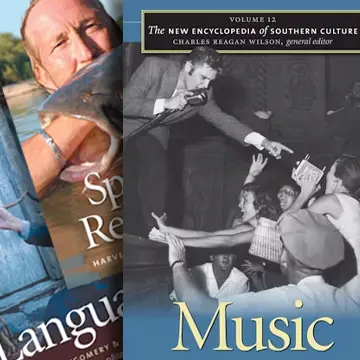
The New Encyclopedia of Southern Culture
Since the publication of the Encyclopedia of Southern Culture in 1989, the Center for the Study of Southern Culture has shaped and defined the field of Southern Studies. With the 24-volume New Encyclopedia of Southern Culture, the Center continues to be a leader in the field of Southern scholarship.

Book Series
Center faculty publish across a number of disciplines, including history, anthropology, sociology, musicology, literature, geography, foodways, and documentary studies.

Faculty Publications
Center faculty publish across a number of disciplines, including history, anthropology, sociology, musicology, literature, geography, foodways, and documentary studies.
Gammill Gallery
Mission & Vision
The Gammill Gallery is a visual arts exhibition space conceived to inspire and engage audiences and to promote public understanding of the American South as a diverse and complex regional culture.
The Gammill Gallery seeks to exhibit a broad range of artwork focused on the South as a social, cultural, and physical space that has both a long history and an evolving future. Neither the artists nor the work exhibited are required to be from the region, but all work should address concepts and issues relevant to the present-day South.
Values
The Gammill Gallery is committed to creating an environment where all voices are heard. At least two exhibits annually will be dedicated to showcasing the work of underrepresented artists or underrepresented communities.
History
The Gammill Gallery, located in the heart of Barnard Observatory, is named for Lynn and Stewart Gammill of Hattiesburg, Mississippi, longtime supporters of the Center for the Study of Southern Culture.
Exhibitions are primarily devoted to documentary-style photography from the American South, including some of the region’s most respected photographic educators and professionals.
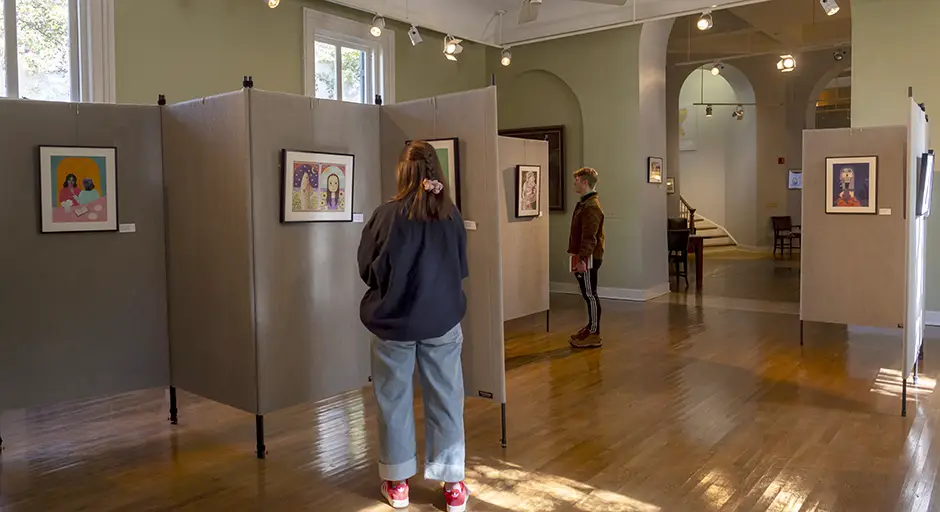
On Display Now in the Gammill Gallery
SOIL
SOIL, a photography exhibition by Justin Hardiman and curated by Adrienne Domnick, is on view at Barnard Observatory’s Gammill Gallery now through Oct. 8. The exhibition is presented by Rootswell in collaboration with Partnership for a Healthier America.
At 5:30 p.m. Thursday, Oct. 8, there will be a SouthTalk with rice farmer Christi Bland-Miller and Annie and Annette Hollowell of Foxfire Ranch. Jermeria Skillom, Mississippi Delta program coordinator for Partnership for a Healthier America, will serve as moderator. The panel will offer an opportunity to engage with the exhibit at the closing reception and to learn from a panel of women in agriculture.
SOIL delves into the narratives of a community deeply intertwined with the land they cultivate. Hardiman pays homage to the resilience, strength, and enduring spirit of Black farmers who have shaped the agricultural landscape of the Mississippi Delta. Through calloused hands that tend to the soil with reverence, SOIL bears witness to the profound connection between land and identity. It is a testament to the enduring legacy of Black farmers whose labor sustains not only their communities but also the very fabric of Mississippi.
SOIL is made possible through the generosity and support of Rootswell in collaboration with Partnership for a Healthier America, who is committed to elevating stories of land, health, and community. This official America250 project was also made possible by a grant from the Mississippi Humanities Council, through support from the state of Mississippi.
Gammill Gallery Hours
Open Monday – Friday
9:00 a.m. – 5:00 p.m.
except for University holidays
For more information:
Contributions to the Center make possible the following:
- assistantships and research support for students in the M.A. in Southern Studies and the M.F.A. in Documentary Expression programs
- faculty growth, such as the 2014 addition of a resident foodways professor, and support for faculty research and travel
- publication of the Mississippi Encyclopedia (both in print and online), Living Blues magazine, and our online journal Study the South
- the Future of the South Initiative with its dedication to interdisciplinary explorations of current and anticipated challenges in the region
- the work of the Southern Documentary Project, a Center institute devoted to documentary filmmaking and sound recordings
- documentary photography exhibitions in the Gammill Gallery in Barnard Observatory
- collaborations with the Southern Foodways Alliance, a Center institute
- state-wide partnerships to tell Mississippi stories, working with the Mississippi Humanities Council, Mississippi Department of Archives and History, the Mississippi Arts Commission, and Mississippi Public Broadcasting
- radio programs like Highway 61
- outreach events, such as the Oxford Conference for the Book and the SouthTalks speaker series
The Center’s Friends program provides essential general operating support for the areas noted above. When contributing online, choose the Friends of the Center fund.
During his 33 years as a professor, Dr. Charles Reagan Wilson was a mentor for many University of Mississippi students studying southern history and culture. His scholarship on history and memory continues to shape the field, and his ability to bring history to life for students is unmatched. His work with the Encyclopedia of Southern Culture and New Encyclopedia of Southern Culture demonstrates a broad and inclusive approach to scholarship that he shared with his students.
In honor of Dr. Wilson’s retirement and long career supporting and guiding students, we created the Charles Reagan Wilson Graduate Student Support Fund, which provides financial support for graduate students engaged in research in southern history. Students from both the Department of History and Center for the Study Southern Culture’s Southern Studies program will benefit from these funds.
Visit the Foundation page and choose “Charles Reagan Wilson Graduate Support Fund” to make a contribution. Gifts may also be mailed to UM Foundation, 406 University Avenue, Oxford, MS 38655. Please indicate that the gift is for the CRW Fund.
For more than twenty-five years, the Oxford Conference for the Book has brought together authors, publishers, readers and book lovers for a three-day conference in the spring.
When contributing online, choose Oxford Conference for the Book fund.
If you wish, you may designate a gift for a specific area, such as a named professorship, scholarship, or sponsorship of outreach events.
Contact our development directors with questions and for more information:
Nikki Neely
Director of Development for the College of Liberal Arts
nlneely@olemiss.edu
202-215-5534
Claire Moss
Associate Director of Development for the College of Liberal Arts
ccmoss1@olemiss.edu
662-915-3086 or 901-409-5991
Delia Childers
Senior Director of Development
dgchilde@olemiss.edu
662-915-3086
By mail:
The University of Mississippi Foundation/CSSC406 University Avenue
Oxford, MS 38655
Make checks payable to UM Foundation – CSSC
Recurring monthly gifts are an option—dividing your gift into smaller increments provides sustained support!
Make a Contribution Online Visit the UM FoundationGive Now!
Advisory Committee
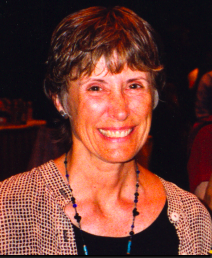 Dorothy Abbott
Founder, Women's Media and Technology Fund at the Global Fund for WomenDorothy Abbott is an award-winning writer, journalist, editor, radio producer, and global activist specializing in literature, media, culture, and the arts. She served as assistant director of the literature program at the National Endowment for the Arts and has authored eight literary anthologies.
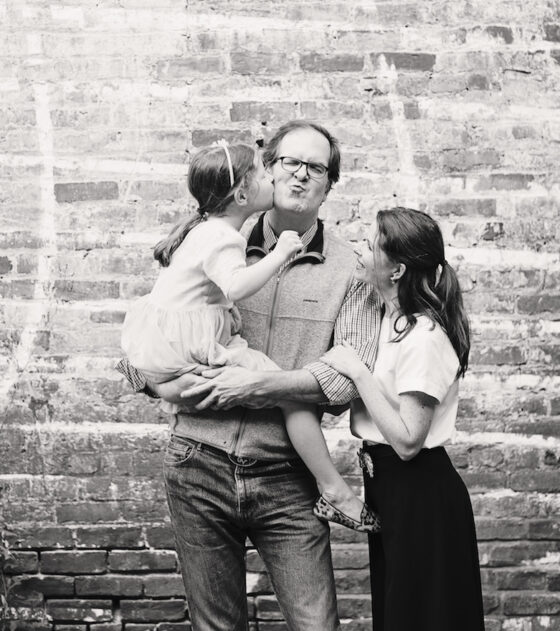 Peter Askew
Deep South Ventures, Savannah, GeorgiaPeter Askew is a 1995 Ole Miss graduate with a BA in Southern Studies. He stumbled into the world of web development during the .com boom of the late 90s, and now focuses his efforts marrying technology with Agriculture, Ranching, and Adventure Travel.
He resides in Savannah, Georgia with his wife, Sara, and daughter, Sloane.
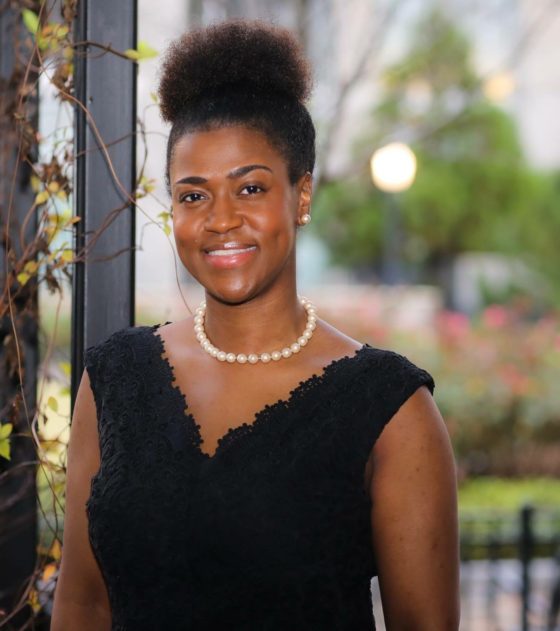 Daphne R. Chamberlain
Vice President for Strategic Initiatives & Social Justice Associate Professor of History | Tougaloo College
Chamberlain is a native of Columbus, Mississippi. She completed her undergraduates studies at Tougaloo College and earned her Master’s and Ph.D. in history from the University of Mississippi.
Marcia S Cole
Lecturer Emerita, Department of Applied Gerontology, University of MississippiMarcia has been very active in the affairs of the Oxford, Lafayette County and University community, serving on several local boards, receiving numerous awards for her efforts. She retired in December 2020 from the University of Mississippi after 20 years of teaching and service.
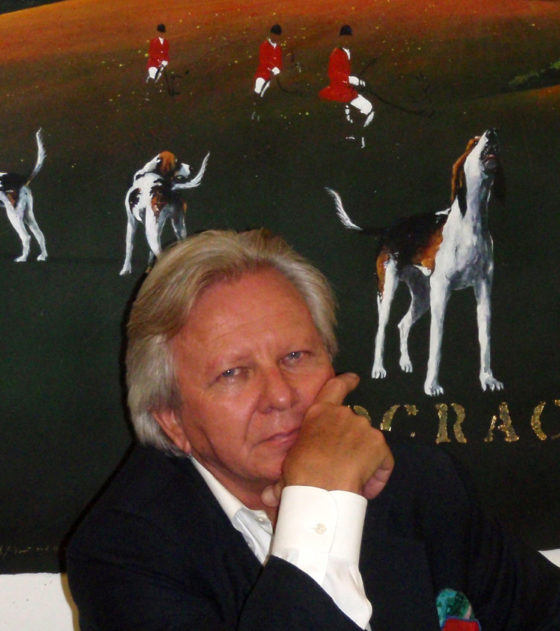 William Dunlap
Painter, WriterWilliam R. Dunlap is an American artist, writer, and arts commentator on Washington, D.C.’s flagship PBS station, WETA-TV. With a career that has spanned more than four decades, his large scale narrative paintings and constructions concern themselves with history, allegory, and the art making process.
Ron Feder
Attorney, Ocean Springs, Mississippi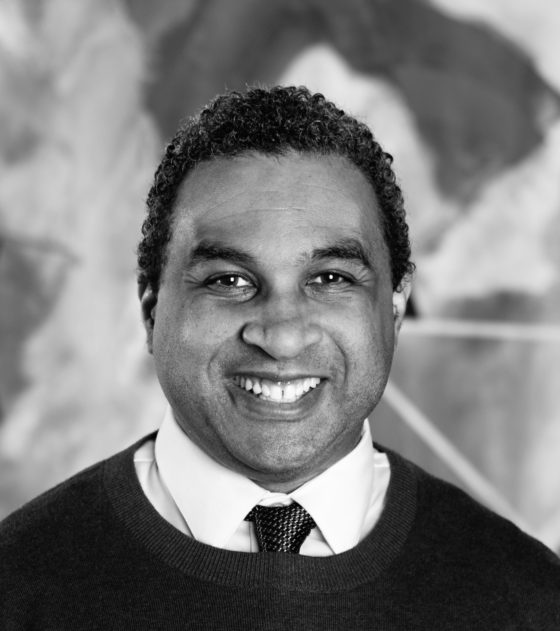 Turry Flucker
Vice President for Collections and Partnerships at the Terra Foundation for American ArtChicago and Paris, France
Turry M. Flucker serves as Vice President of Collections and Partnerships at the Terra Foundation for American Art. With offices based in Chicago and Paris, France, Flucker is responsible for the strategic and artistic vision of the Terra Foundation’s collection of 800 works of art, including paintings, works on paper and other media. Flucker works with the grants programmatic staff at the foundation providing guidance and support. A graduate of Tougaloo College, Flucker is the author of Art and Activism at Tougaloo College.
 Jennifer H. Gunter
Converge Collective, South CarolinaJennifer H. Gunter, Ph.D., is the former Director of the South Carolina Collaborative on Race and Reconciliation at the University of South Carolina. In 2023 she founded the Converge Collective as an extension of that work.
She earned a B.A. and M.A. in Southern Studies from the University of Mississippi and a Ph.D. in History from the University of South Carolina. She is a historian who specializes in the intersections of region, gender, race, health, law, and activism.
Originally from Jackson, Mississippi, she and her husband now proudly call South Carolina home.
Rea Hederman
Publisher, The New York Review of Books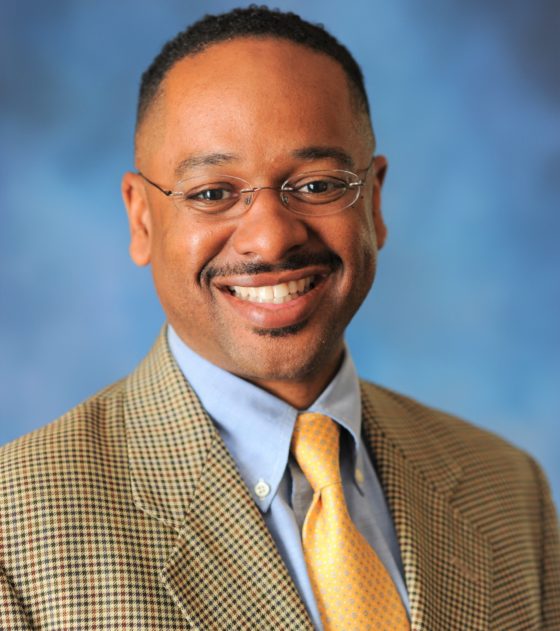 Rolando Herts
Director, The Delta Center for Culture and LearningExecutive Director, Mississippi Delta National Heritage Area, Delta State University, Cleveland, Mississippi
Dr. Herts is a university-community engagement scholar whose interests include stimulating cultural heritage development activity in the Mississippi Delta and throughout the American South. His partnership development expertise has strengthened university collaborations with the National Park Service, the Alliance of National Heritage Areas, the National Endowment for the Humanities, the National Humanities Alliance, and various regional and community-based organizations. Dr. Herts holds a doctorate in planning and public policy from Rutgers University, a M.A. in Social Science from The University of Chicago, and a B.A. in English from Morehouse College in Atlanta.
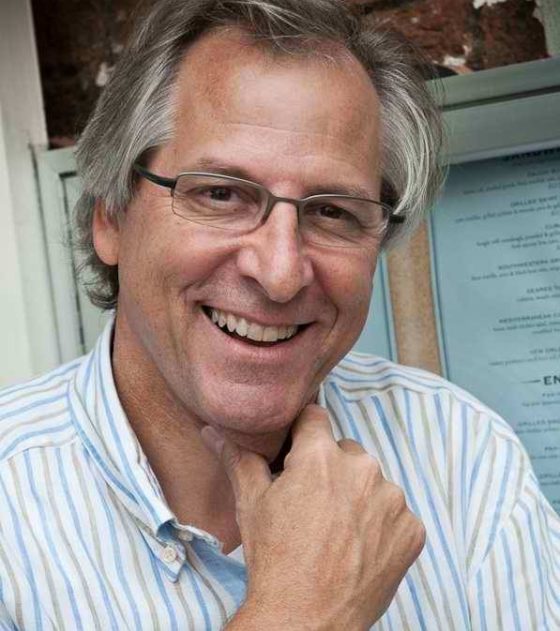 Tom Howorth
FAIA, Architect/Howorth & Associates Architects, Oxford, MississippiTom is an architect who grew up in Oxford and moved his firm and family to Oxford in 1995, after beginning his career in New Orleans and Jackson, Mississippi. One of his early projects was the Restoration of Barnard Observatory, home to the Center. Tom earned bachelors degrees in English and architecture at Vanderbilt and Mississippi State University, respectively, and a masters in natural resources at Virginia Tech.
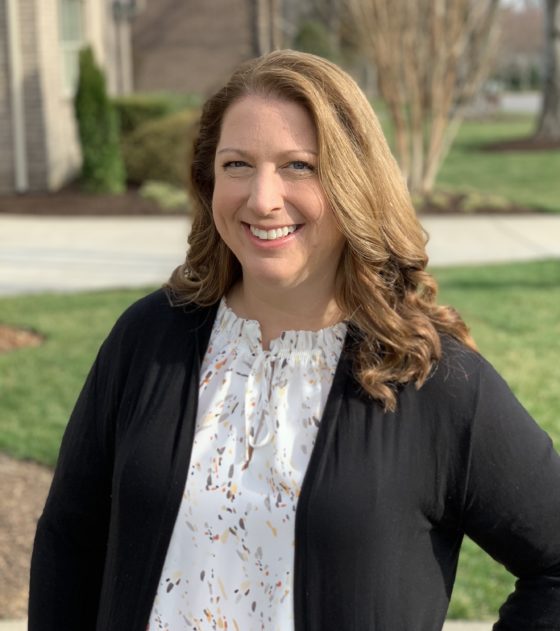 Amanda Brown Landry
Senior Associate General Counsel, LifePoint HealthAmanda attended the University of Mississippi and graduated from the Southern Studies program in 2004. She went on to law school, also at UM, and she is now in-house counsel for a large hospital company in Nashville. She is married to Jason and they have two little ones, Kate and Hudson.
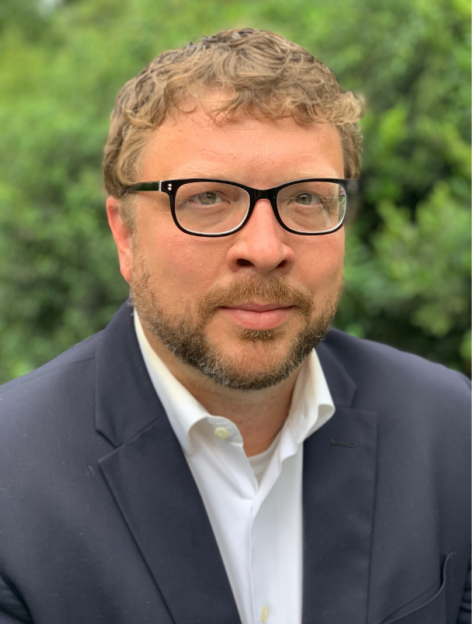 Robby Luckett
Director, Margaret Walker Center, and Professor in the Department of History at Jackson State University, Jackson, MississippiRobby Luckett received his BA in political science from Yale University and his doctorate in history from the University of Georgia. A native Mississippian, he returned home, where he is a tenured Associate Professor of History and Director of the Margaret Walker Center and COFO Civil Rights Education Center at Jackson State University. His books include a collection of essays, “Redefining Liberal Arts Education in the 21st Century” (University Press of Mississippi, 2021), and a monograph, “Joe T. Patterson and the White South’s Dilemma: Evolving Resistance to Black Advancement” (University Press of Mississippi, 2015).
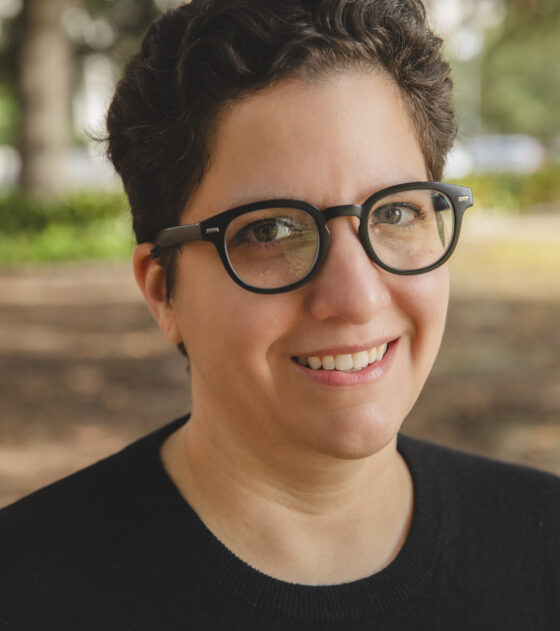 Xaris A. Martínez
Neighborhood Funders GroupXaris A. Martínez (ella/she/her) is the Executive Manager at Neighborhood Funders Group(NFG). Prior to joining NFG, she worked at theCenter for Documentary Studies at Duke University, Southern Cultures, and The Southern Documentary Project, as well as serving as an award-winning bilingual undergraduate teaching assistant at various higher education institutions. A native Californian raised in Guatemala, she earned a B.A. in History, summa cum laude, from the University of California, Los Angeles, and an M.A. in Southern Studies from the University of Mississippi; she also completed four years of doctoral coursework in history at the University of North Carolina at Chapel Hill. She is the board chair of Brethren Mennonite Council for Lesbian, Gay, Bisexual and Transgender Interests board vice-chair of Student Action with Farmworkers.
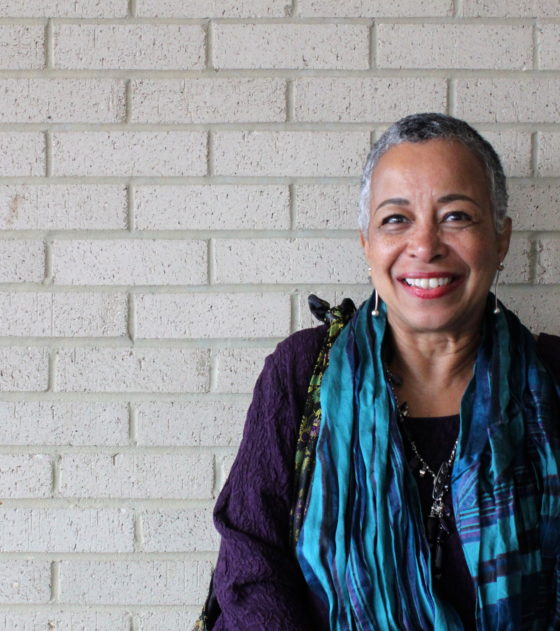 Barbara Y. Phillips
Adjunct Professor and Independent Scholar/Social Justice Feminist, University of MississippiBarbara Y. Phillips was previously an Associate Professor of Law at the University of Mississippi School of Law and a civil rights litigator specializing in voting rights as partner in the San Francisco law firm Rosen & Phillips and as staff attorney with the national Lawyers’ Committee for Civil Rights Under Law in its Mississippi office and Washington, D.C.
Her education includes a B.A. from Macalester College; a J.D. from Northwestern University; and a J.S.M. from Stanford Law School.
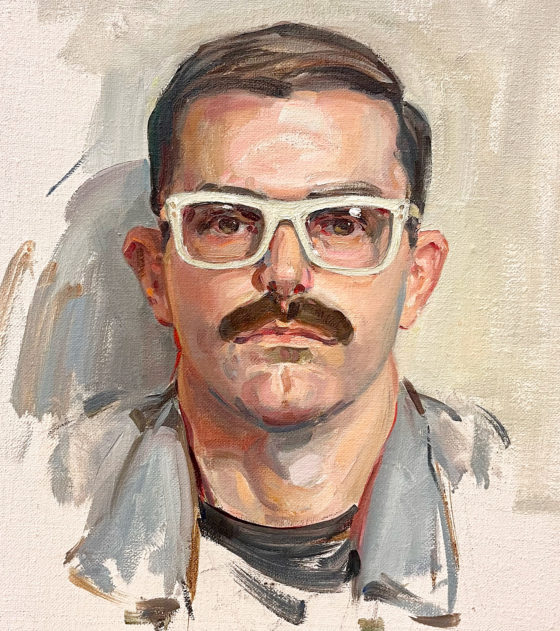 Julian Rankin
Executive Director, Walter Anderson Museum of Art, Ocean Springs, MississippiExecutive Director of the Walter Anderson Museum of Art in Ocean Springs, Mississippi. He is the author of Catfish Dream: Ed Scott’s Fight for his Family Farm and Racial Justice in the Mississippi Delta published by the University of Georgia Press as part of the Southern Foodways Alliance Studies in Culture, People, and Place series. For Catfish Dream, Rankin was nominated for a James Beard Foundation Award and recognized as the 2019 Nonfiction winner by the Mississippi Institute of Arts and Letters.
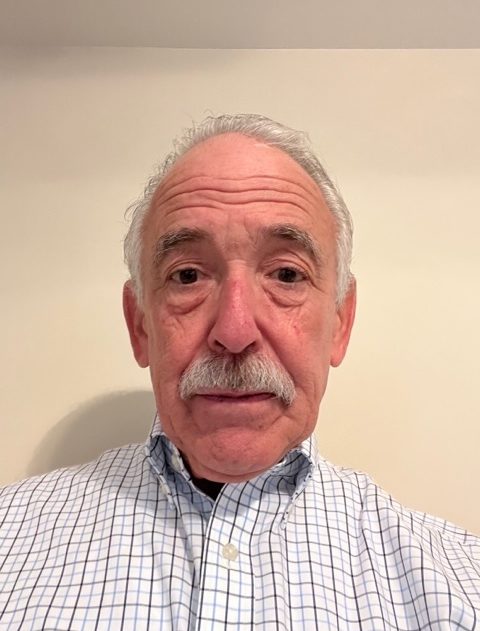 Marc Rosen
Managing Director, Lasmo Limited, Atlanta, GeorgiaA tax attorney located in Alpharetta, Georgia with an overwhelming interest in the South and Southern Literature, particularly William Faulkner. A firm believer that communication is one of the world’s greatest problems and that the CSSC can be the enlightening source in the South.
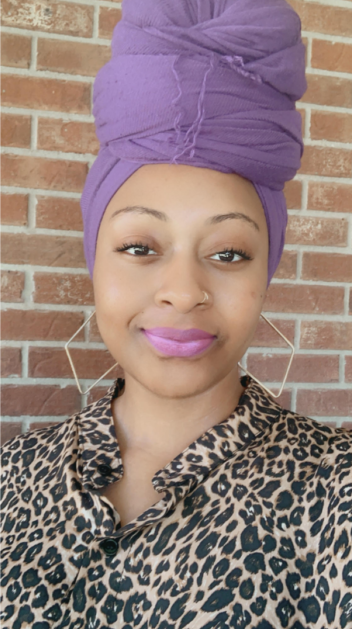 Je’Monda Roy
Millsaps Admissions Counselor, Jackson, Mississippi
Je’Monda is a Jackson, Mississippi native and alum of the University of Mississippi. Je’Monda is also an avid supporter and alum of the Center for the Study of Southern Culture where she received her Masters in Southern Studies and Masters of Fine Arts Documentary Expression. As an Admissions Counselor and mentor to several Black youth throughout Mississippi, Je’Monda has continued to push for Black liberation throughout her career and journey.
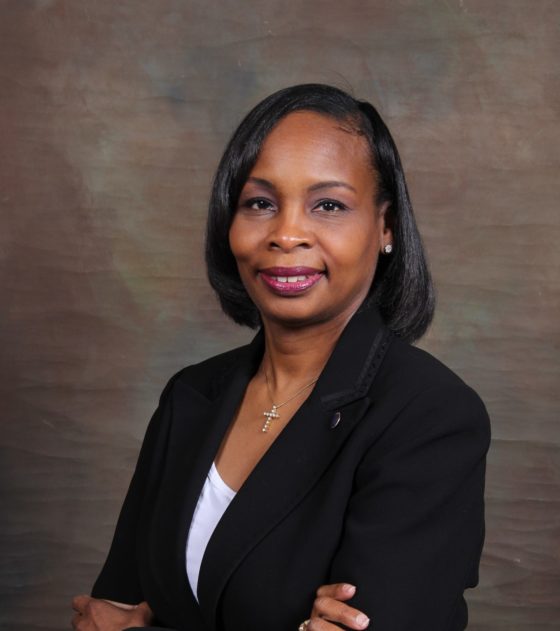 Ivy R. Taylor
12th President of Rust College, Holly Springs, MississippiA native of Queens, New York, Ivy R. Taylor is the 12th and first female president of Rust College in Holly Springs, Mississippi. Prior to her selection as president, she spent 20 years in San Antonio, Texas as an affordable housing advocate, lecturer at the University of Texas at San Antonio, Texas, a member of the San Antonio City Council, and Mayor of San Antonio. She received a Bachelor’s degree from Yale University in 1992, in 1998 she obtained a Master’s from the University of North Carolina at Chapel Hill, and in 2020, she obtained a Doctor of Education degree from the University of Pennsylvania. Ivy and her husband, Rodney, are the parents of a teenage daughter, Morgan.
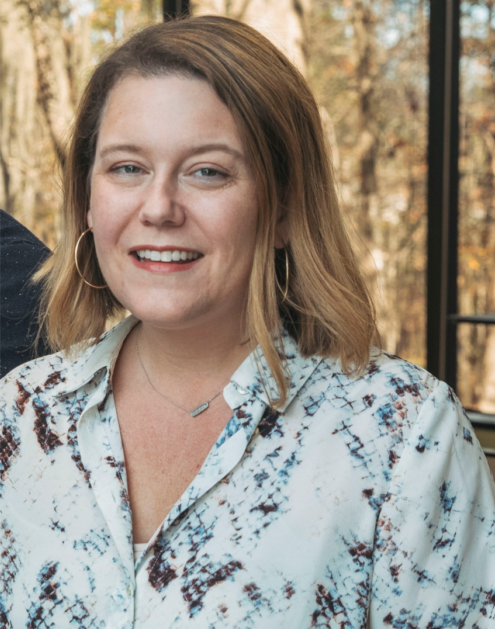 Mary Margaret White
CEO/Executive Director, Mississippi Today, Jackson, MississippiMary Margaret White is the CEO of Mississippi Today, where she works closely with the Mississippi Today leadership team to ensure collaboration and mission alignment throughout the nonprofit newsroom. Mary Margaret builds relationships with foundations, grant makers and impact donors to ensure reporters have the financial support they need to do their work. She was a fellow in the 2020 Online News Association’s Women’s Leadership Accelerator, an international executive training for women in media.
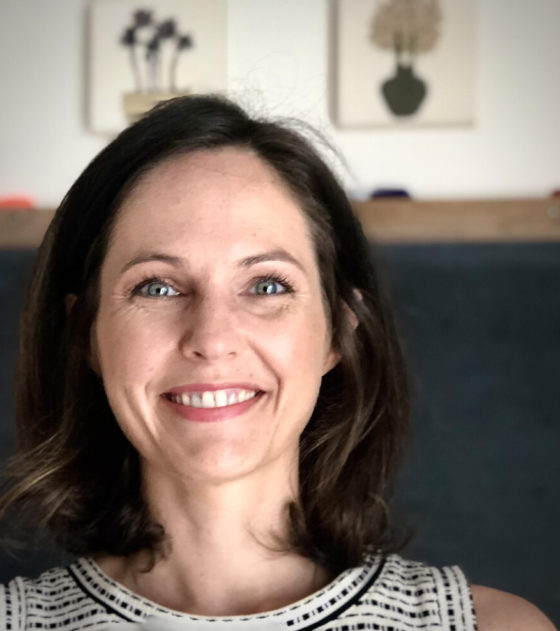 Kathryn York
Teach For America, Water Valley, MississippiKathryn is a working mom who believes in the power and possibility of all Mississippians. Her experiences as a parent, teacher, and business leader taught her that when we put the right people and the right resources in the right places, we can transform our state and foster thriving communities.
Kathryn studied English and Philosophy at the University of Georgia. After graduating in 2004, Kathryn joined Teach For America and moved to Marks, Mississippi, to build a choral music program at Madison S. Palmer High School. Kathryn stepped out of the classroom to lead the Thacker Mountain Radio hour, where she built a 500+ membership program, expanded the program’s in-state reach, and founded a thriving internship group. In 2015, she graduated with her M.A. from the Center for the Study of Southern Culture. Now, Kathryn serves as Teach For America – Greater Delta’s Head of Staff and works with teachers across Mississippi and Arkansas.
Kathryn lives in Water Valley with her husband, Joe, and their two children, Emma and Herschel.
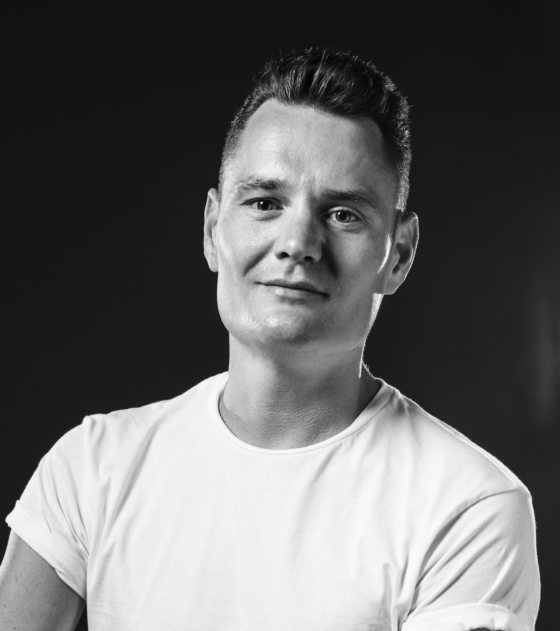 Maarten Zwiers
Associate Professor of History, University of Groningen, the Netherlands, and Visiting Scholar at the University of MississippiMaarten Zwiers is assistant professor of American Studies and History at the University of Groningen, the Netherlands. The European Union awarded him a three-year fellowship (starting in 2021) for his research project “Race Land: The Ecology of Segregation.” He specializes in rural studies and political history.