
Biology Research
Research in the department ranges from scales of the gene to the ecosystem, with many faculty bridging sub-disciplines of biology in their areas of interest.
- Home
- Departmental Directory
- Liberal Arts
- Department of Biology
- Biology Research
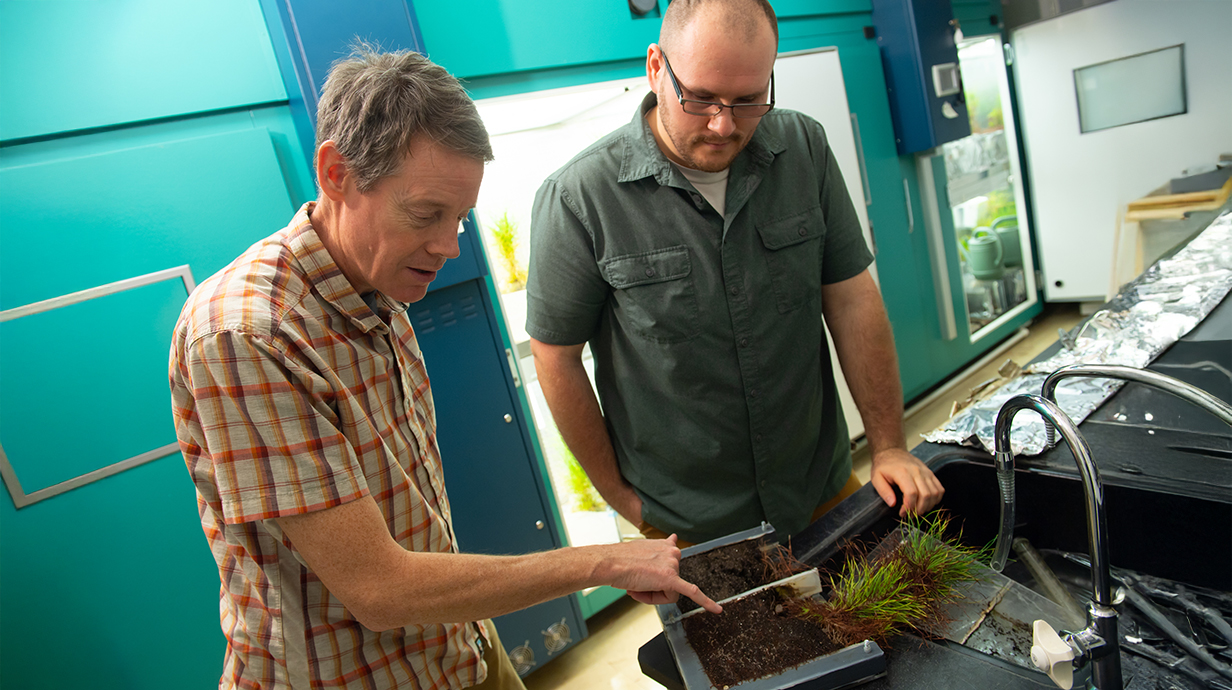
A Top Research University
The University of Mississippi is designated as a R-1 Highest Research Activity University by the Carnegie Classification of Institutions of Higher Education. We are in an elite group of 2.5% of universities nationwide for world class research faculty, spending on research, and production of graduate students.
The Department of Biology is a comprehensive life science department with faculty working in many diverse areas of biology. We are a highly collaborative department, sharing interests and expertise. We train our graduate and undergraduate students to think broadly, to use interdisciplinary approaches, and to develop innovative insights into fundamental biological processes.>
A few of our faculty research projects include:
- Dr. Josh Bloomekatz’s current research is supported by a grant from NIH entitled "Investigating collective myocardial cell movement during heart tube formation."
- Dr. Tamar Goulet's current research is supported by a grant from NSF entitled "Vision and Change in Undergraduate General Education Life Sciences Courses."
- Dr. Erik Hom’s current research is supported by a grant from NASA entitled "Elucidating the Molecular Basis for Anhydrobiosis Using Biological Soil Crusts as a Model."
- Dr. Chris Leary's current research is supported by a grant from NSF entitled "Polyploidization, gene dosage, and the evolution of hormonal phenotypes."
- Dr. Michel Ohmer’s research is supported by a Biology Integration Institute grant from NSF titled, "BII: Uncovering mechanisms of amphibian resilience to global change from molecules to landscapes."
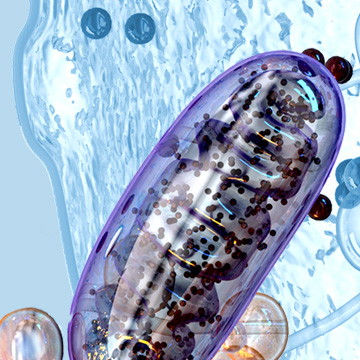
Cellular and Molecular Biology
From the molecular basis of plant development and adaptation, to cell physiology and differentiation, researchers in this area emphasize the fine scale examination of biological problems at a cellular and molecular level. They explore the mechanisms behind an organism’s growth, development, and behavior.
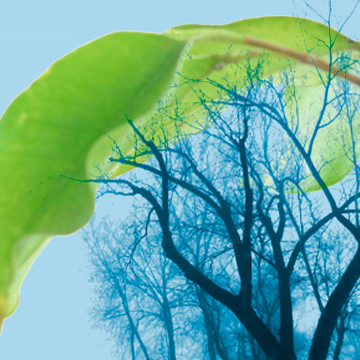
Conservation and Restoration Biology
Departmental research in the area of conservation and restoration biology ranges from Mississippi old growth forests to the Gulf of Mexico to the tropics and the Southern Hemisphere. Researchers in this area study ways of restoring ecosystems and conserving and maintaining global biodiversity.
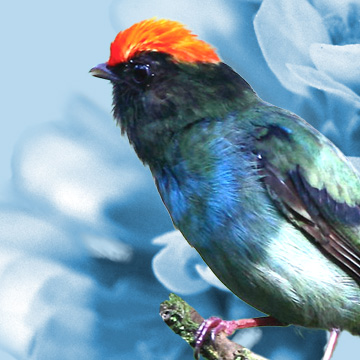
Evolution, Biodiversity, and Systematics
From microorganisms to coral reefs to the evolution of traits and behaviors, researchers in the area of evolution, biodiversity, and systematics investigate biological diversity at scales from molecules to communities. Some researchers focus on patterns in species diversity while others focus on evolutionary aspects of biodiversity.
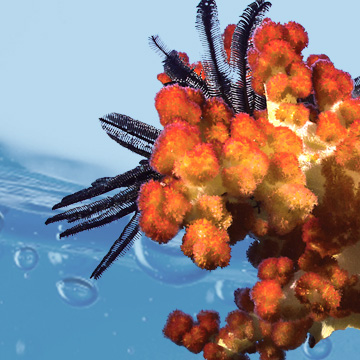
Freshwater, Marine, and Wetland Ecology
Departmental researchers in this area study organisms and biological processes in freshwater, marine, and wetland ecosystems. This research makes us of local resources such as the University of Mississippi Field Station, Sardis Lake, or the Mississippi River, and goes further afield to the Gulf of Mexico and marine environments around the world.
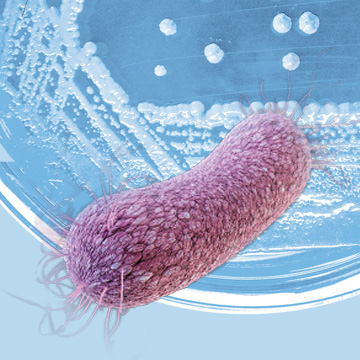
Microbiology
Departmental research in the area of microbiology focuses on different aspects of microorganisms, from how bacterial cells develop, how microorganisms communicate, how their interactions evolve, and how communities of microorganisms change depending on the environment or host organism.

Neurobiology, Behavior, and Physiology
Researchers in the area of neurobiology, behavior, and physiology tend to look at organismal processes, whether it is how an organism behaves or how an organism’s physiology changes under different conditions. Research spans the range of biology, from the molecular and cellular basis of behavior to interactions between organisms in an ecological context.
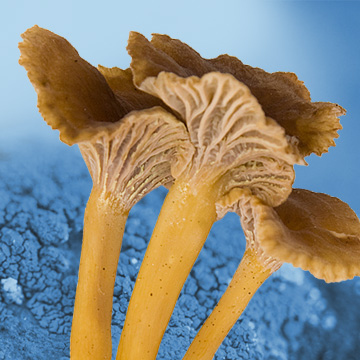
Symbiosis and Species Interactions
Departmental research in the area of symbioses and species interactions focuses on how organisms belonging to different species interact. These interactions can be tight symbioses such as mutualism or parasitism, or looser interactions in the broader sense of community ecology.
Biology/Science Pedagogy
The field of biology education research uses interdisciplinary knowledge and methods to enhance teaching and learning in university science, technology, engineering, and mathematics (STEM) programs.
Ecology, Evolution, and Bioinformatics
Steve Brewer
- Professor of Biology and Interim Director of the Interdisciplinary Program in Environmental Studies
Richard Buchholz
- Professor of Biology and Director of the Center for Biodiversity and Conservation Research
Tamar Goulet
- Professor of Biology
Jason Hoeksema
- Professor of Biology, Associate Chair and Graduate Program Coordinator
Colin Jackson
- Professor of Biology
Christopher Leary
- Professor of Biology
Brice Noonan
- Professor of Biology
Michel Ohmer
- Assistant Professor of Biology
Becks Prescott
- Assistant Professor of Biology
Sayaka Miura
- Assistant Professor of Biology
Molecular, Cellular, Organismal, and Physiology Biology
Sixue Chen
- Chair and Professor of Biology
Lainy Day
- Professor of Biology and Director of the Interdisciplinary Minor in Neuroscience
Mika Jekabsons
- Professor of Biology
Joshua Bloomekatz
- Associate Professor of Biology
Patrick Curtis
- Associate Professor of Biology (Microbial Physiology)
Ryan Garrick
- Professor of Biology
Erik Hom
- Associate Professor of Biology
Bradley Jones
- Associate Professor of Biology
Sarah Liljegren
- Associate Professor of Biology
Peter Zee
- Associate Professor of Biology
Yongjian Qiu
- Associate Professor of Integrative Plant Biologist (Biology)
Wayne Gray
- Instructional Associate Professor of Biology
Education Research and Pedagogy
Sharday Ewell
- Assistant Professor of Biology
Tiffany Bensen
- Instructional Professor of Biology
Carol Britson
- Instructional Professor of Biology, Associate Chair for Undergraduate Studies
Carla Carr
- Instructional Associate Professor of Biology
Mitzi Dunagan
- Instructional Associate Professor of Biology
Beckie Symula
- Instructional Professor of Biology and Faculty Fellow for STEM Learning
Nicole Lewis
- Senior Lecturer in Biology and Coordinator of Laboratory Programs
Carol Cleveland
- Instructional Professor of Biology and Active Learning Coordinator
Isis Arantes
- Instructional Assistant Professor of Biology
Rob Devries
- Instructional Assistant Professor of Biology
Sobia Ilyas
- Instructional Assistant Professor of Biology
Lydia Lytal
- Instructional Assistant Professor of Biology and Faculty Fellow for STEM Learning
Timothy Menzel
- Instructional Assistant Professor of Biology
Josh Schmerge
- Instructional Assistant Professor of Biology
Parisa Burchfield
- Instructor in Biology
Milagros Mulero Alegria
- Instructor in Biology
Saysha Sebren
- Instructor in Biology
Laura McLellan
- Instructor in Biology
Research Facilities
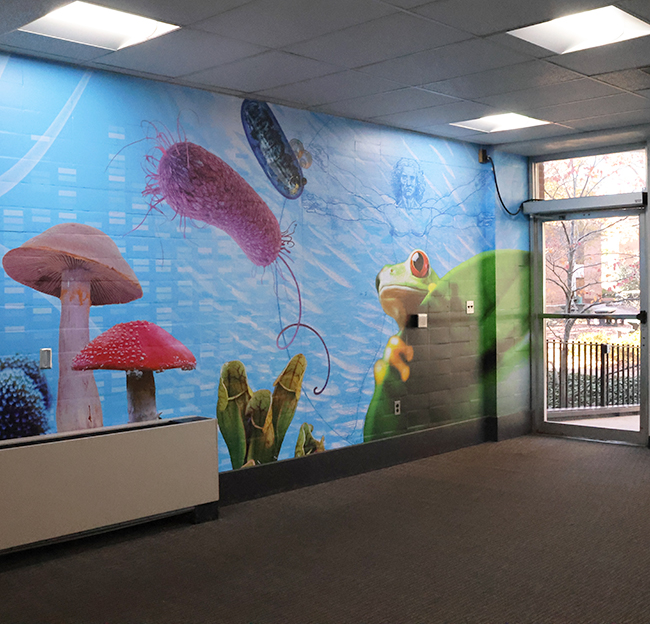
Shoemaker Hall
The department occupies Shoemaker Hall, a five-story building on the main Oxford campus that houses laboratories that are equipped with instrumentation to support a range of life sciences research from molecular and cell biology through ecosystem ecology. Shoemaker Hall also houses our Imaging Core, Molecular Core, and the Pullen Herbarium.
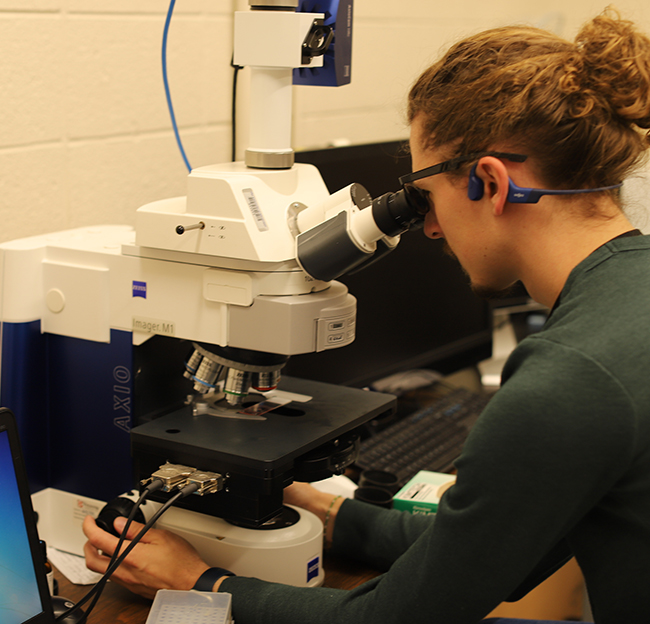
Imaging and Molecular Core
The Biology Imaging Core is a shared and collaborative facility with the GlyCORE Imaging Corehouses and houses a variety of different microscopes including.
The Biology Molecular Biology Core is a self-service shared user facility that provides access to advanced instrumentation for the analysis of metabolites, proteins and nucleic acids.
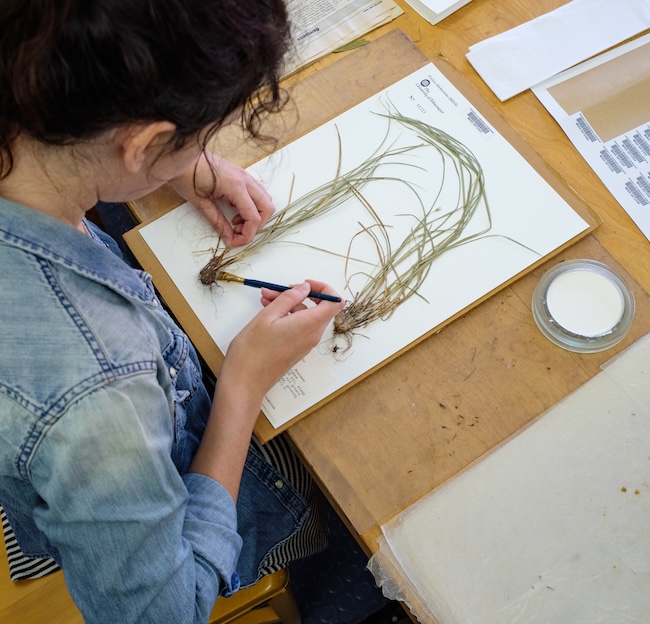
Pullen Herbarium
An herbarium is a museum collection of plants and the information from where and when they were collected. This collection is used in teaching and in research to document changes in plant distribution through time.
The Department of Biology’s Pullen Herbarium is named after the first curator, Dr. Thomas M. Pullen, and now consists of 80,000+ plant specimens.
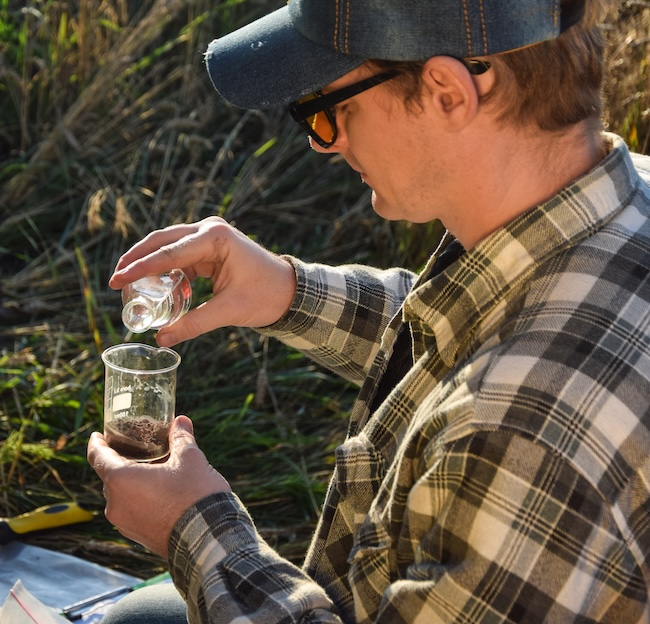
Off-Campus Research Sites and Collaborators
Biology field research occurs at nearby sites and the department has ongoing research with scientists across the state. Check it out.

UM Field Station
The UM Field Station is a research and educational facility designed to serve visiting faculty and students, public and private schools, government agencies and the broader community of the Mid-South.
The mission of the University of Mississippi Field Station is to foster ecosystem stewardship by providing a natural laboratory and infrastructure for research, education and service, and by cultivating scientific information and understanding of upland watersheds in the lower Mississippi River Basin and similar habitats.
Biology Collaborators and Resources
Research is supported by a variety of departments and collaborating units on campus.
Mississippi Center for Supercomputing Research
The Mississippi Center for Supercomputing Research (MCSR), based at the University of Mississippi, provides high-performance computing (HPC) resources and expertise to researchers and educators across the state. Our mission is to support advanced research and academic projects that require computational power beyond the scope of desktop systems.
- 102 Powers Hall
- 8 a.m. - 5 p.m.
- assist@mcsr.olemiss.edu
National Center for Physical Acoustics
The Jamie Whitten National Center for Physical Acoustics (NCPA) at the University of Mississippi stands as a pioneer of innovation in the field of physical acoustics. Since its establishment by Congress in 1987, NCPA has led the way in exploring a vast array of applications, from infrasound to ultrasound and beyond, setting benchmarks in research excellence.
- 145 Hill Drive
- 8 a.m. - 5 p.m.
- (662) 915-5889
- ncpa@olemiss.edu
National Center for Natural Products Research
The National Center for Natural Products Research (NCNPR) is at the forefront of harnessing the power of nature, ensuring quality, safety, and driving innovation in natural product research and development.
National Center for Computational Hydroscience and Engineering
We foster the growth of research in computational hydroscience and engineering, i.e., the development of new research and engineering tools, computational simulation models for conducting scientific research, engineering analysis and design, and environmental and ecological impact assessments in the area of natural resources (soil and water) conservation.The research and development activities of NCCHE cover a broad range of fields including watershed processes, channel network hydraulics, river morphology (meandering, bank erosion, etc.), flood analysis, dam break, sediment transport, water quality and pollutant transport, river training and restoration, and more.
Department of Biomolecular Sciences
We are a department of leaders in interdisciplinary life sciences dedicated to improving human and environmental health through education, biological and chemical research, and committed service.
-
UM Field Station Vegetation Data Set
This digital database of plant specimens was collected by Dr. Marjorie Holland and her botany students. The digital database consists of understory and overstory data—both containing data sheets of plant specimens collected in long term monitoring plots established by Dr. Holland and her students in 1996 and the collected specimens that are stored in Dr. Holland’s lab at the Field Station. The understory data were collected from 1996 to 2016, and the overstory data were collected from 1999 to 2018. These data sheets contain important information about species collected at the field station over 20 years.
Understory Data Overstory Data